EN
EN


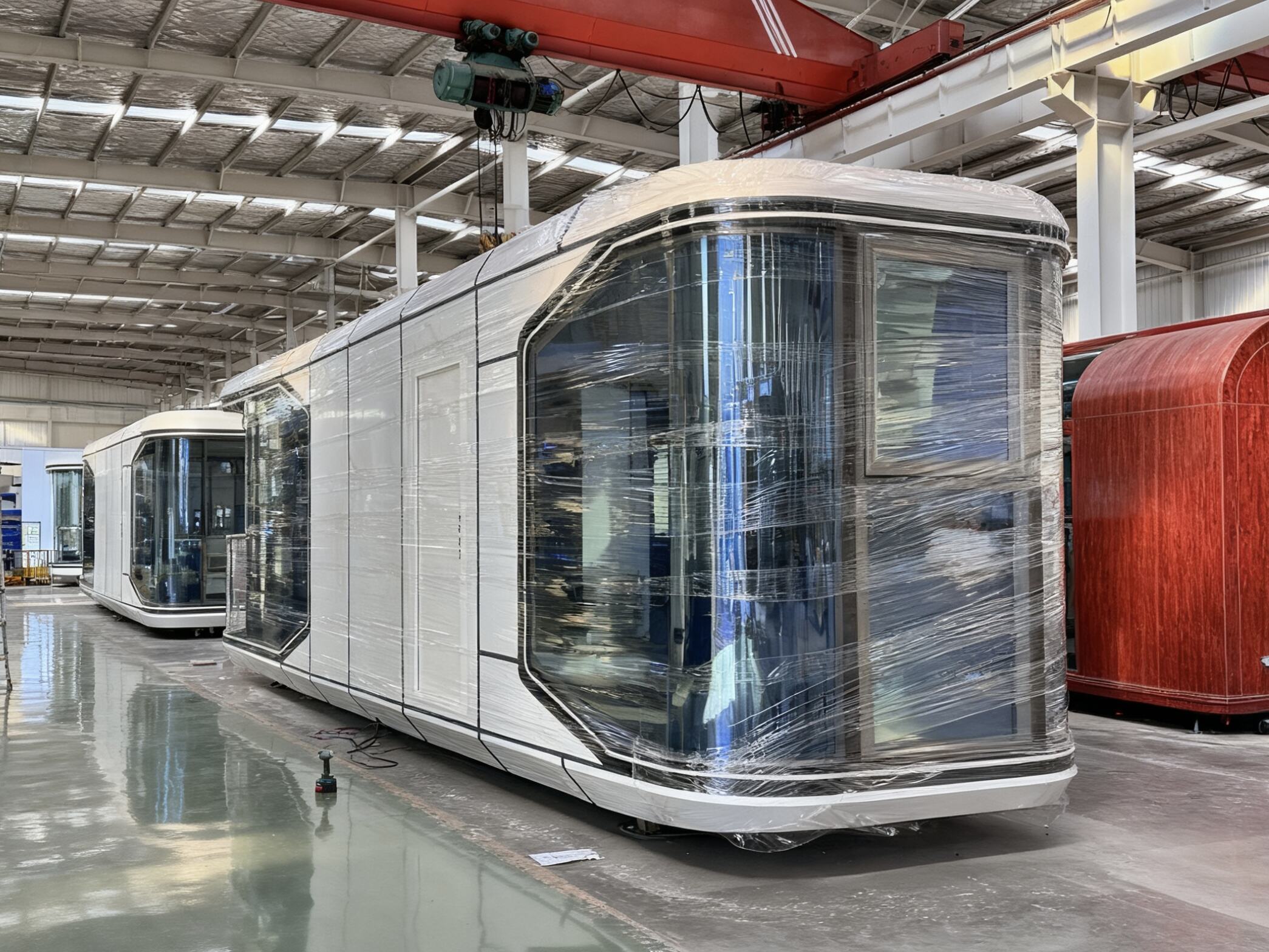
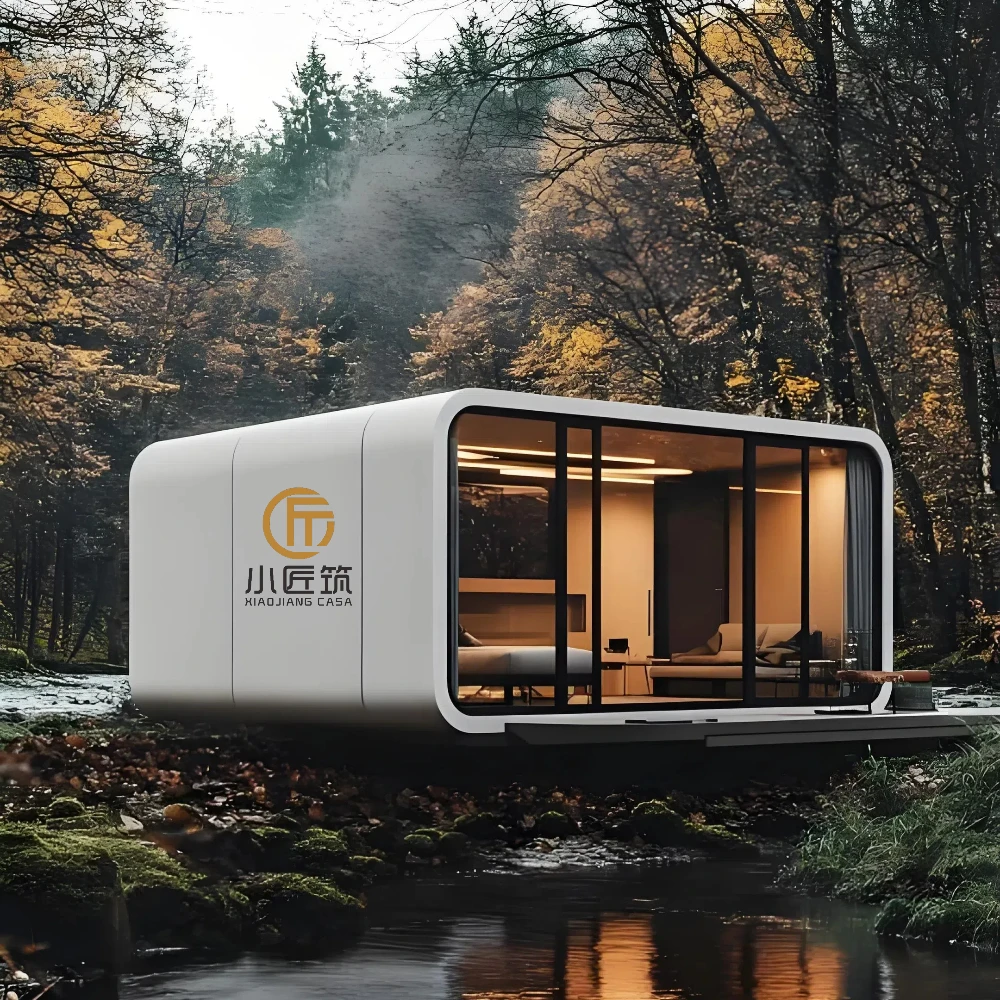
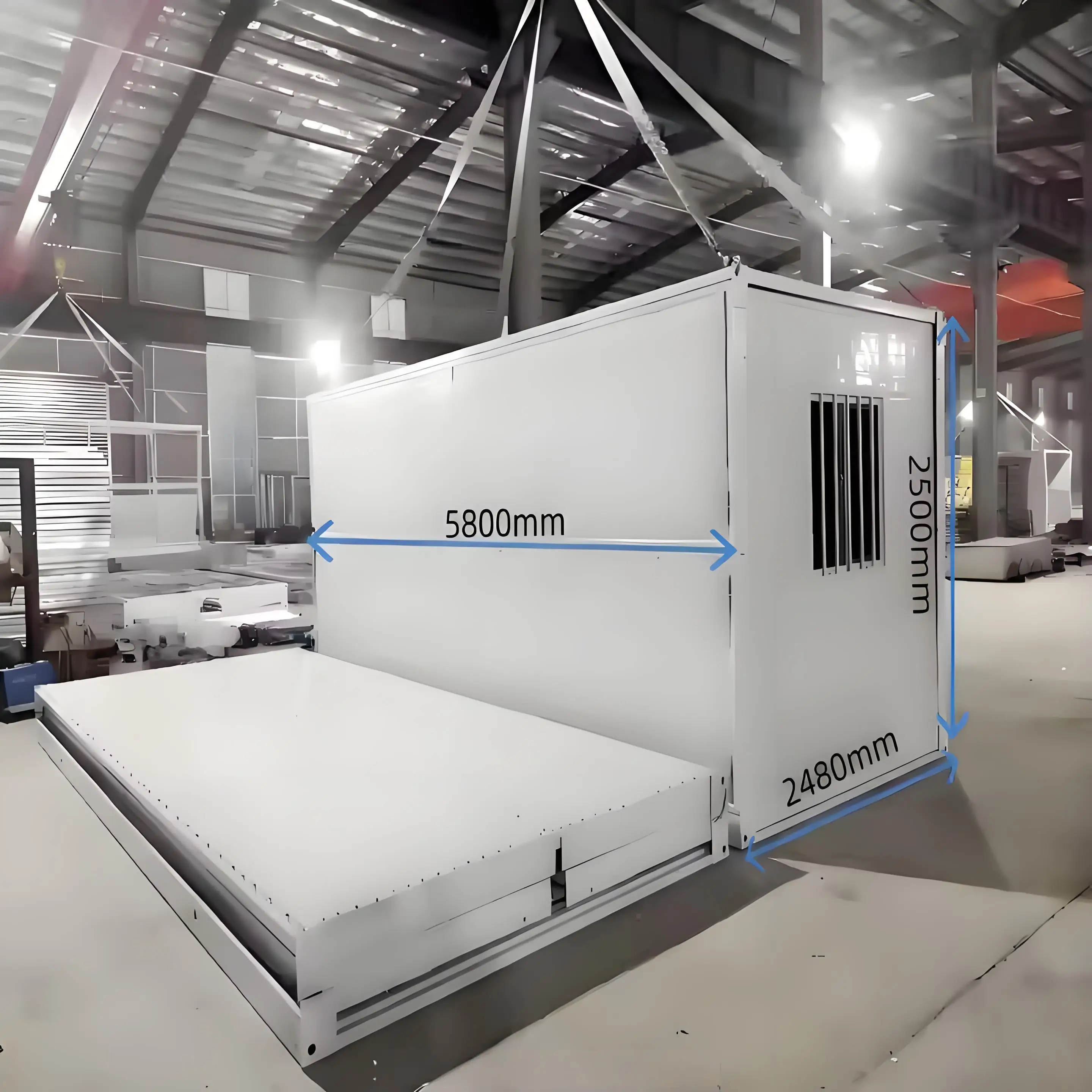
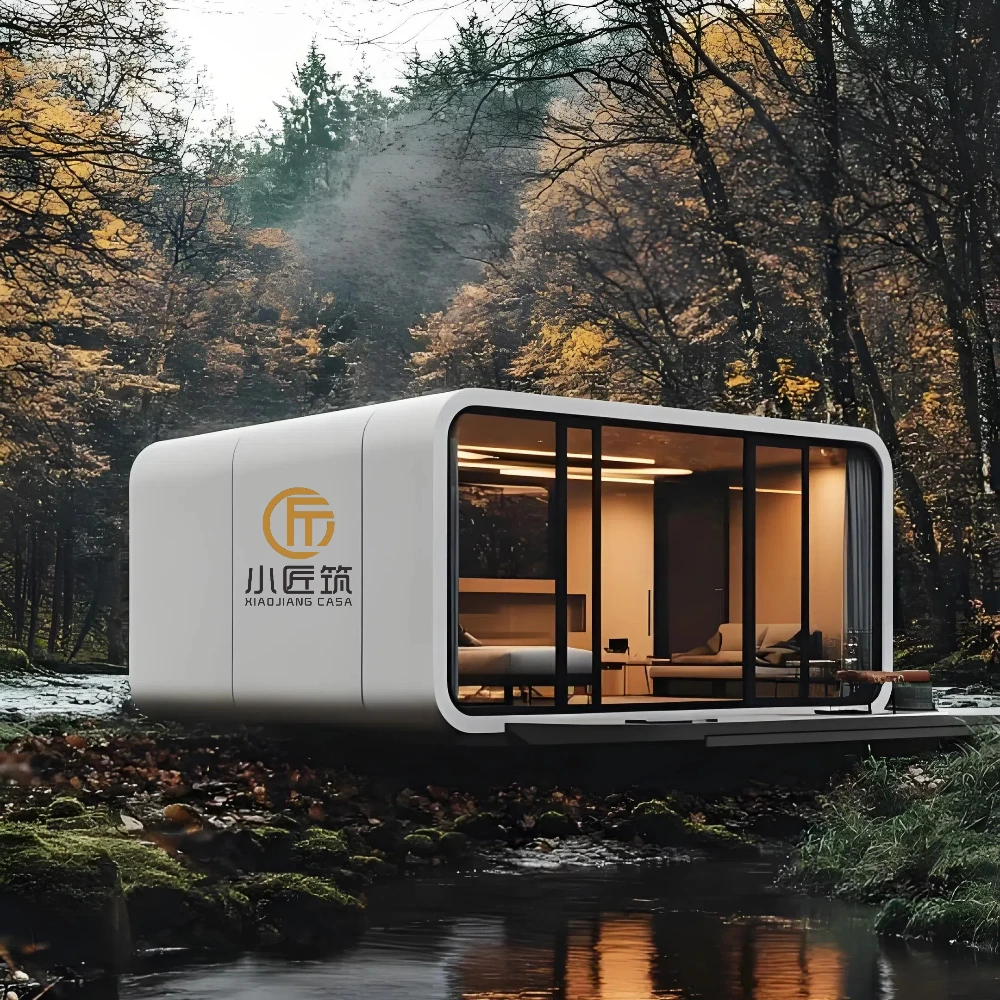
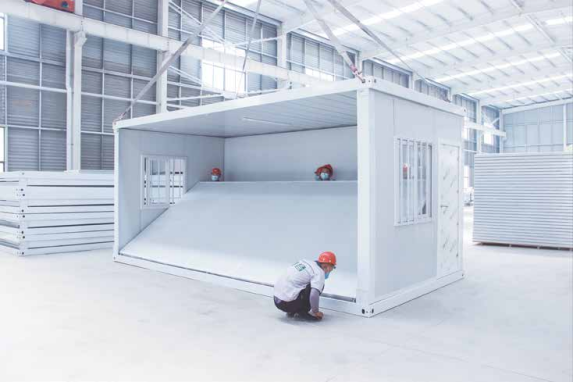
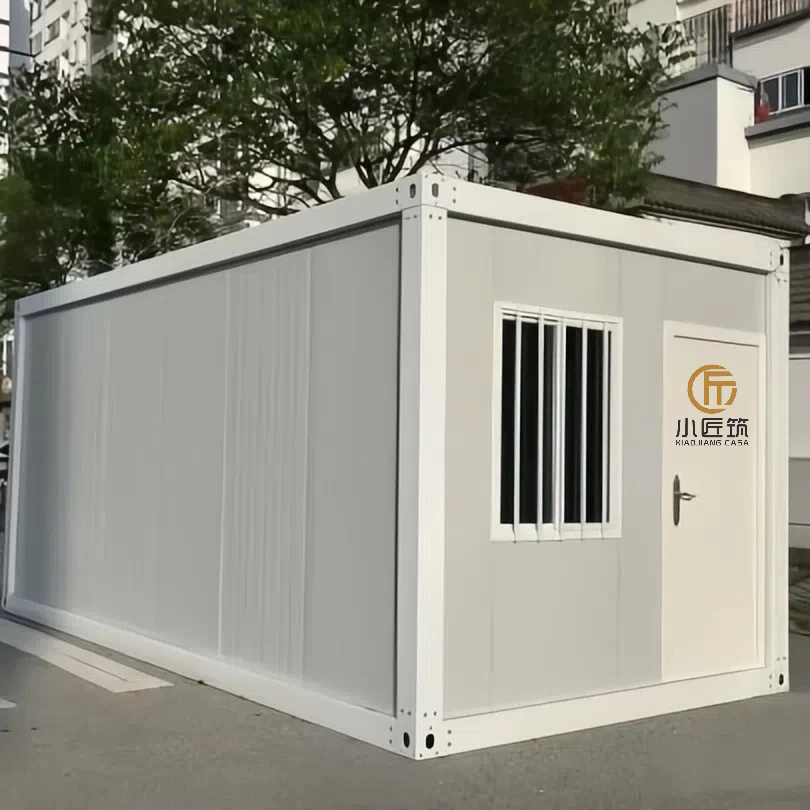
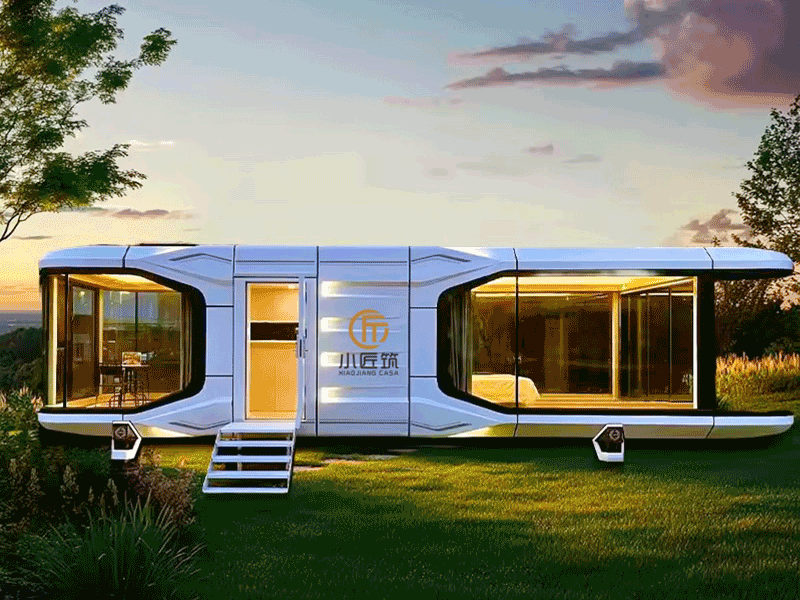
Lightweight mobile house represents a significant advancement in portable housing design, combining innovative materials, engineering precision, and functional design to create dwellings that are easy to transport without compromising on strength, comfort, or durability. These homes are engineered to minimize weight while maximizing structural integrity, making them ideal for a wide range of applications, from temporary accommodations in remote locations to flexible living spaces for adventurers and travelers. At the heart of lightweight mobile house design is the careful selection of materials. Manufacturers prioritize high-strength, low-weight materials such as aluminum alloys, advanced composite panels, and lightweight steel framing. Aluminum, in particular, is a favored material due to its exceptional strength-to-weight ratio, corrosion resistance, and malleability, allowing for intricate designs that maintain structural rigidity without adding excess weight. Composite panels, made from layers of fiberglass, foam insulation, and other lightweight materials, provide excellent insulation and durability while keeping the overall weight down. These materials not only reduce the burden of transportation but also contribute to the longevity of the home, as they are resistant to rot, pests, and environmental wear. Engineering and design play a crucial role in achieving the lightweight characteristic of these mobile houses. Advanced computer-aided design (CAD) and finite element analysis (FEA) are used to optimize the structure, ensuring that every component—from the frame to the roof and walls—contributes to the overall strength without unnecessary weight. This includes strategic placement of support beams, use of hollow or reinforced structures, and elimination of redundant materials. The result is a home that is both lightweight and robust, capable of withstanding the stresses of transportation and varying weather conditions, including strong winds, heavy rain, and temperature fluctuations. The lightweight nature of these mobile houses offers numerous practical advantages, starting with ease of transportation. Unlike heavier mobile homes that require specialized towing vehicles or large trucks, lightweight models can often be towed by standard pickup trucks or SUVs, reducing the logistical challenges and costs associated with relocation. This makes them highly versatile, as they can be transported to remote areas, scenic locations, or urban settings with relative ease, opening up a wide range of living possibilities for owners. Whether it’s a weekend getaway in the mountains, a temporary workspace on a construction site, or a seasonal home near the coast, lightweight mobile houses provide the flexibility to live or stay wherever desired. Despite their focus on reducing weight, lightweight mobile houses do not compromise on comfort or functionality. Interior spaces are thoughtfully designed to maximize usability, with compact yet efficient layouts that include essential amenities such as kitchens, sleeping areas, and bathrooms. Space-saving features like foldable furniture, built-in storage, and multi-purpose surfaces ensure that every square foot is utilized effectively. Insulation is also a key consideration, with lightweight materials providing excellent thermal performance to keep the interior comfortable in both hot and cold climates. Large windows and strategic ventilation further enhance the living experience, allowing natural light to flood the space and maintaining good air quality. Durability is another hallmark of lightweight mobile houses. The materials and construction methods used are chosen to withstand the rigors of transportation and long-term use. The frame is designed to resist bending and twisting during transit, while exterior materials are selected for their ability to withstand UV radiation, moisture, and impact. Regular maintenance is minimal, thanks to the corrosion-resistant properties of materials like aluminum, reducing the need for frequent repairs or replacements. This combination of lightweight design and durability ensures that these homes provide reliable performance over many years, making them a cost-effective housing solution. In summary, lightweight mobile house embodies the perfect balance of portability, strength, comfort, and durability. Through the use of advanced materials and engineering, these homes offer a flexible and accessible housing option that adapts to diverse lifestyles and environments, proving that lightweight does not mean sacrificing quality or functionality.
24
Apr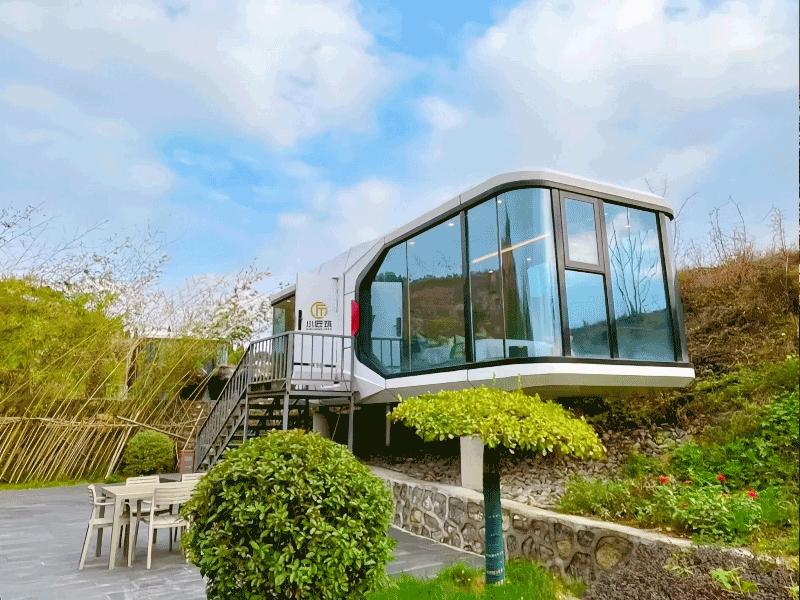
24
Apr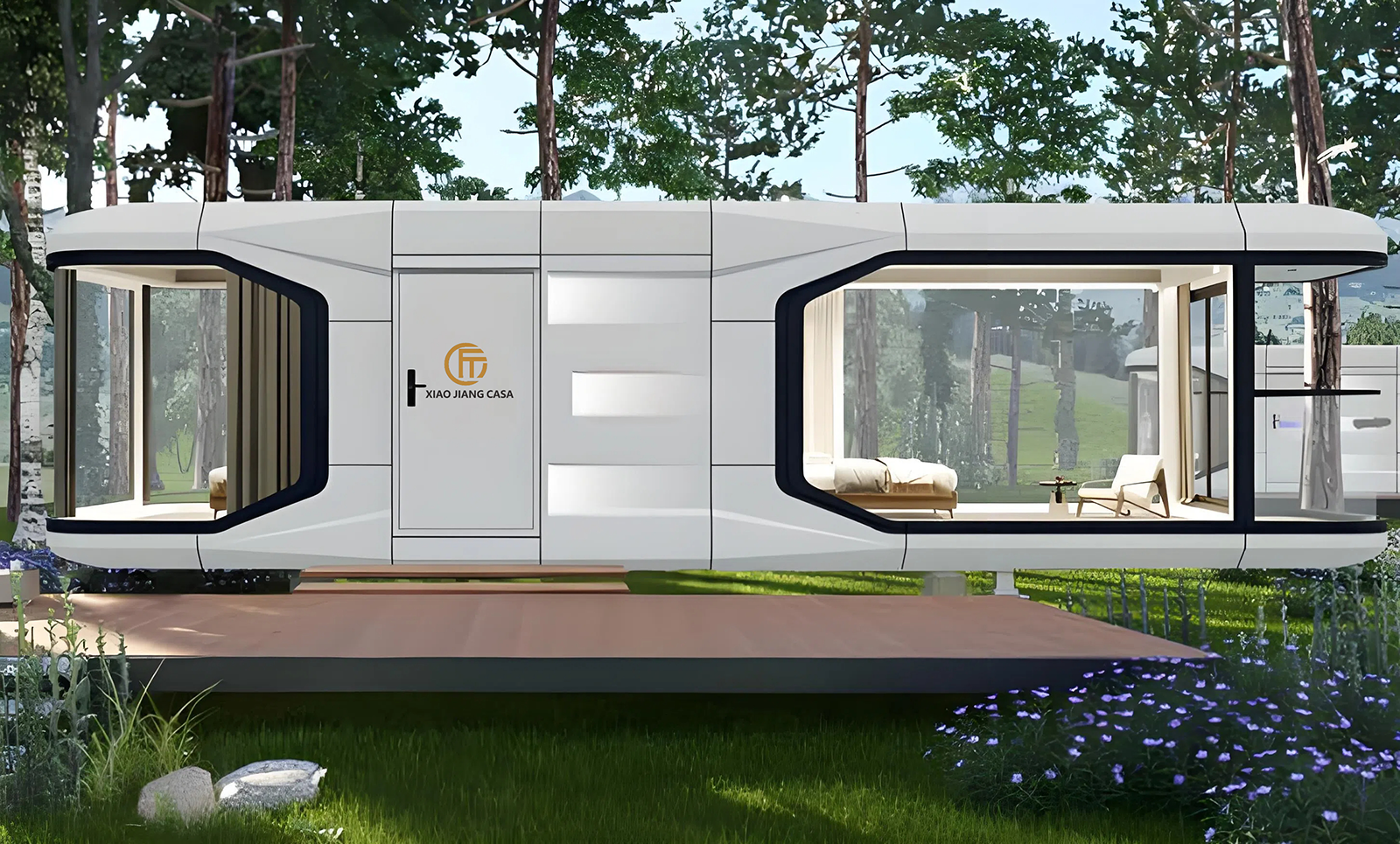
25
Apr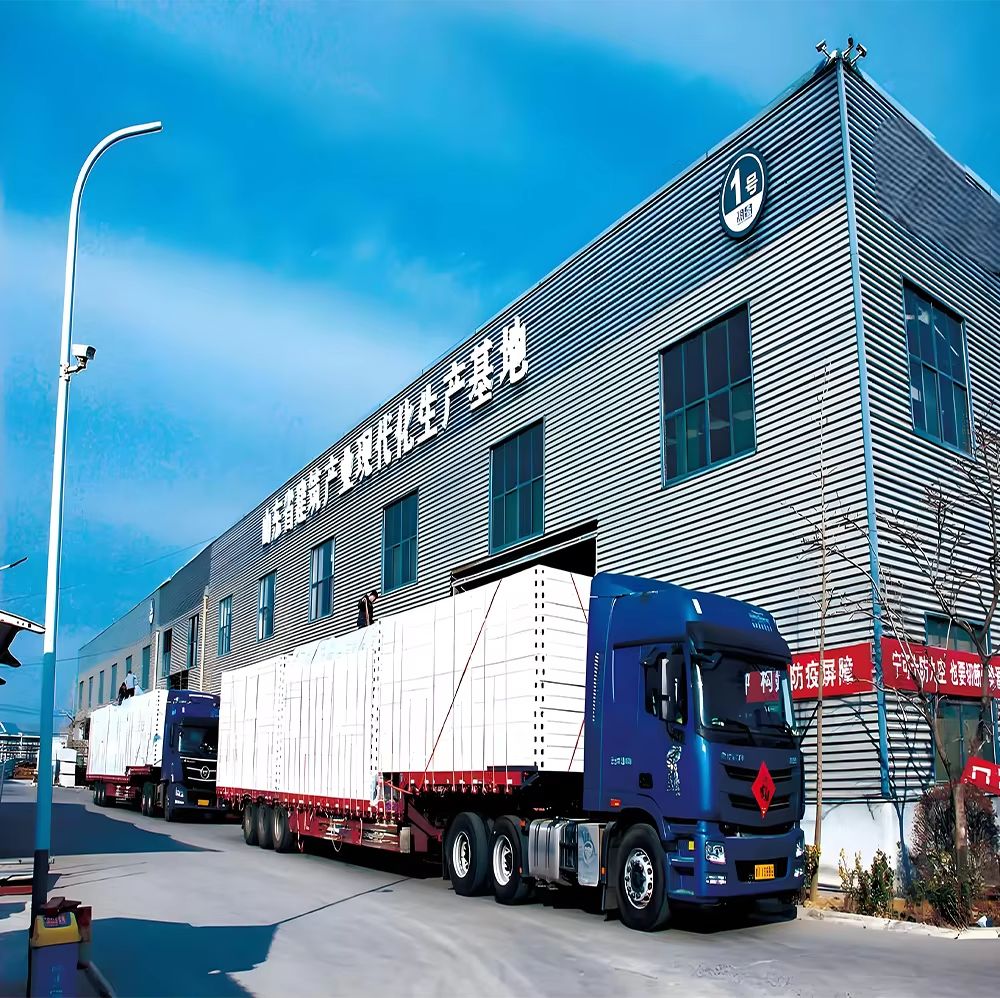
25
Apr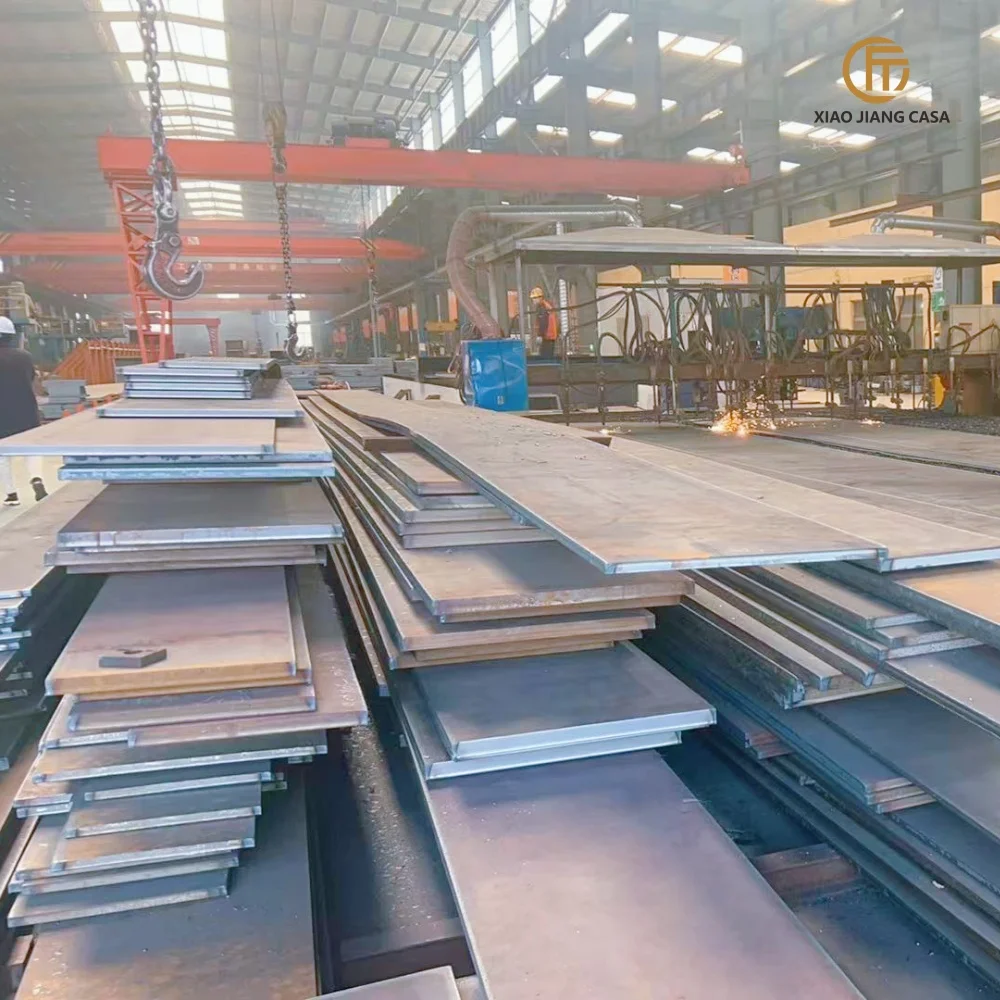
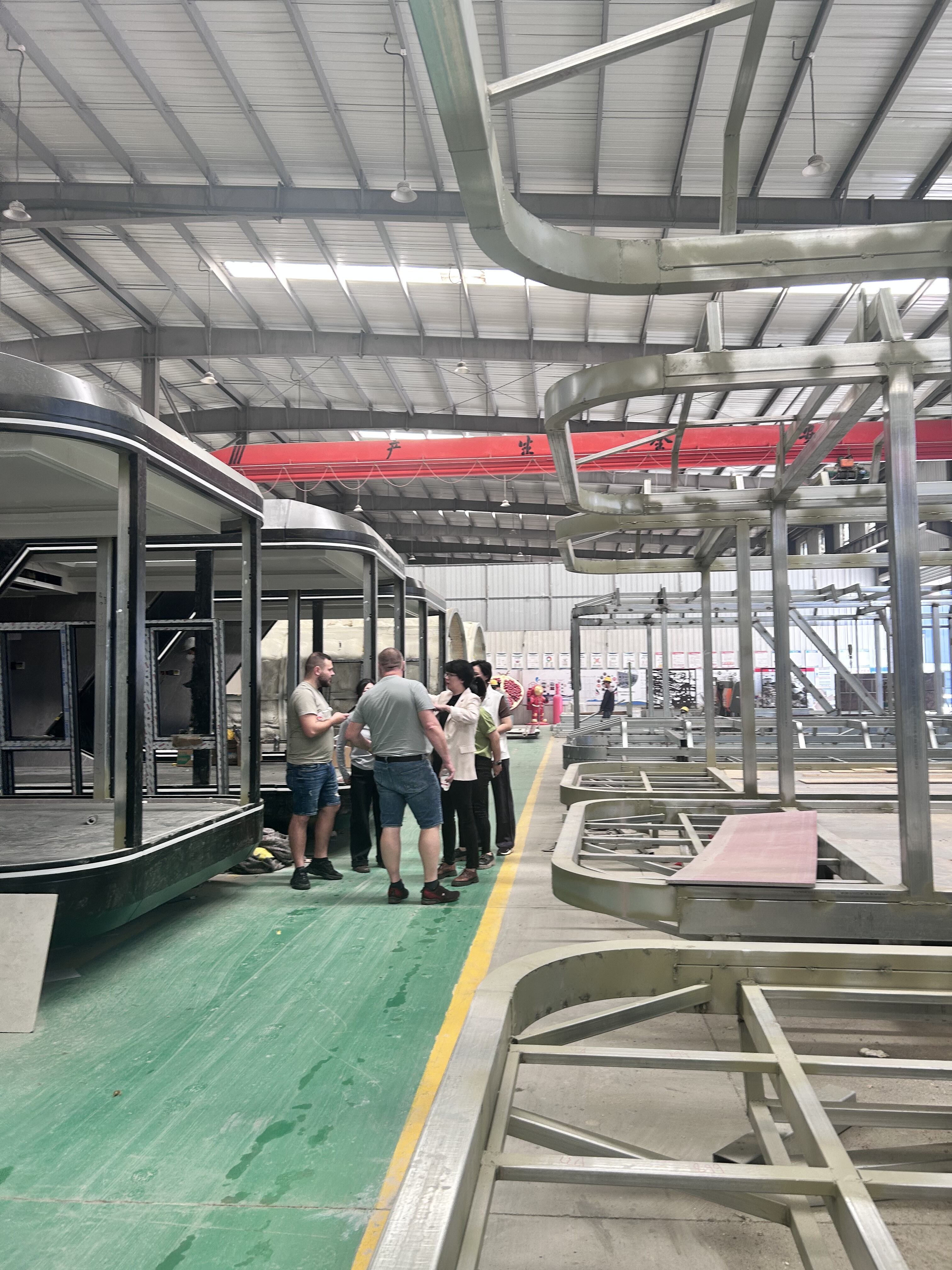
Xiaojiangcasa has a professional design and production team. The technical team strictly controls the product from research and development to implementation, insisting on starting from a professional perspective, innovatively developing future cabin products that are both aesthetically pleasing and practical, and implementing this concept in their work。