EN
EN



What Makes Modular House Installation Efficient?
Parallel Production: Off-Site Fabrication Meets On-Site Prep
How Modular House Units Are Built Concurrently with Foundation and Site Work
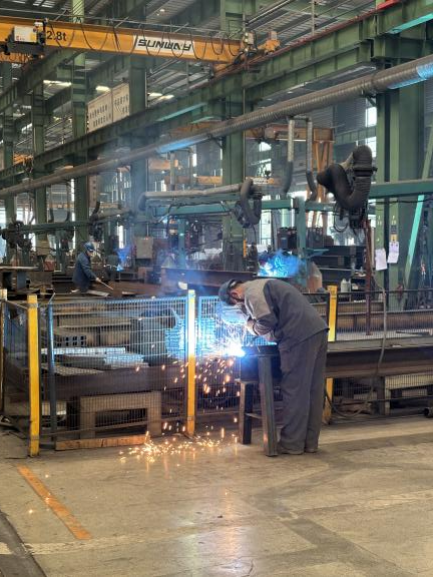
The way modular construction changes project timelines is pretty remarkable when you think about it. On one hand, workers are getting ready with foundations and utility connections at the actual building location, while back at factories, other teams are putting together walls, floors, and roofs in climate-controlled spaces. This kind of simultaneous work cuts out those annoying time losses we see in regular construction methods. Most sites need around six to eight weeks just for grading land and letting concrete dry properly, but during that same period, factories can actually finish whole sections of modules. When these parts arrive exactly when needed on site, it skips all those problems caused by bad weather holding things up or different trades waiting their turn because something else isn't ready yet. These issues usually cause major delays in normal construction projects.
Proven Time Savings: 30–50% Faster Installation vs. Traditional Stick-Built Homes
This methodology compresses project durations dramatically. Industry analyses confirm modular homes install 30–50% faster than stick-built equivalents by eliminating sequential bottlenecks. Key drivers include:
- Overlapped workflows: Foundation work and factory fabrication occur in parallel, saving 4–12 weeks
- Reduced on-site labor: 60% fewer crew days needed for assembly versus traditional framing
- Weather immunity: Indoor manufacturing avoids the 15–30 days of rain- or snow-related delays common in conventional builds
The accelerated timeline also lowers financing costs and accelerates ROI—critical for developers and homeowners. This efficiency stems from manufacturing precision enabling rapid crane-assisted module placement, with entire structures often weather-tight in days rather than months.
Controlled Factory Environment: Precision, Predictability, and Weather Resilience
Eliminating Delays from Weather, Labor Shortages, and On-Site Variability
Modular homes get made inside factories where they're protected from all those weather problems that can stop regular construction cold for weeks every year. Inside these controlled environments, humidity stays just right and temperatures don't fluctuate so materials stay intact. Plus, there's always a team working on them nonstop, something that doesn't happen much with buildings going up outside where workers might be scarce or schedules keep getting messed up. No more waiting around for bad weather either since rain, snow, or blazing heat won't slow things down here. The whole process actually moves faster too, maybe cutting timeframes by somewhere between a third and half. While crews are putting together parts inside the factory, other folks can already start getting ready at the actual building site, making everything run smoother overall.
Tighter Tolerances and Reduced Rework in Modular House Assembly
The precision tools used in modern manufacturing shops can hit tolerances as tight as 1/16 inch, which is way better than what most folks manage on site. When machines take over cutting and putting things together, mistakes made by humans drop off dramatically. Industry numbers from 2023 show defects going down around 75% when computer systems handle these tasks. The whole process gets pretty standardized too. Every module has to pass strict checks before it leaves the factory floor, so there's almost no need for fixing things once they arrive at construction sites. Looking at the bottom line, this kind of precision saves companies roughly seven hundred forty thousand dollars per big project according to Ponemon Institute research last year. And beyond just saving money, it stops those little structural issues that tend to pop up with regular building methods.
Standardized Design and Automated Fabrication for Rapid Modular House Assembly
Light-Gauge Steel Framing: Speed, Consistency, and Structural Advantages
Modular homes built with light gauge steel frames are changing how we think about home construction thanks to precise engineering techniques. When factory made parts show up at the job site, they're basically plug and play, which cuts down on those frustrating measurement mistakes that happen so often with conventional methods. Steel just plain holds up better than wood when it comes to spanning large areas, meaning builders can install fewer support posts and get creative with interior designs faster. Because everything gets manufactured under controlled conditions, each piece from studs to tracks follows strict specs right out the gate. This consistency means projects tend to stick closer to schedule and there's way less back and forth fixing structural issues after the fact something that drives everyone crazy in traditional construction.
CNC Manufacturing and Repetitive Workflow Optimization
CNC systems handle complex designs down to the millimeter level. These automated cutting and punching machines take raw steel and turn it into wall panels or trusses within minutes flat. What makes this approach so efficient? The repetitive nature of the process cuts down on wasted materials significantly - somewhere around 15% less waste than traditional on-site framing methods. On factory floors, production lines run through carefully planned sequences. Each station handles standard tasks according to strict protocols. Over time, workers develop expertise in particular parts of the assembly line. This specialization helps boost output rates by about 30% across most facilities. Components come out looking almost identical every single time, which means fewer mistakes needing correction later on. When these pieces finally get put together, they fit together tightly without gaps, making for much better overall structural integrity in the finished product.
FAQ Section
What is parallel production in modular construction?
Parallel production in modular construction refers to the simultaneous activities of off-site fabrication of modular units and on-site preparation, including foundation work and utility connections.
How does modular construction save time and costs compared to traditional building methods?
Modular construction saves time by eliminating sequential bottlenecks and weather-related delays, achieving faster installation times. It reduces costs by lowering financing expenses and minimizing defects through precise manufacturing.
What are the advantages of controlled factory environments in modular construction?
Controlled factory environments offer protection from weather-related delays, ensure consistent quality with precision tools, and reduce rework and defects, providing predictable outcomes in modular construction.