EN
EN


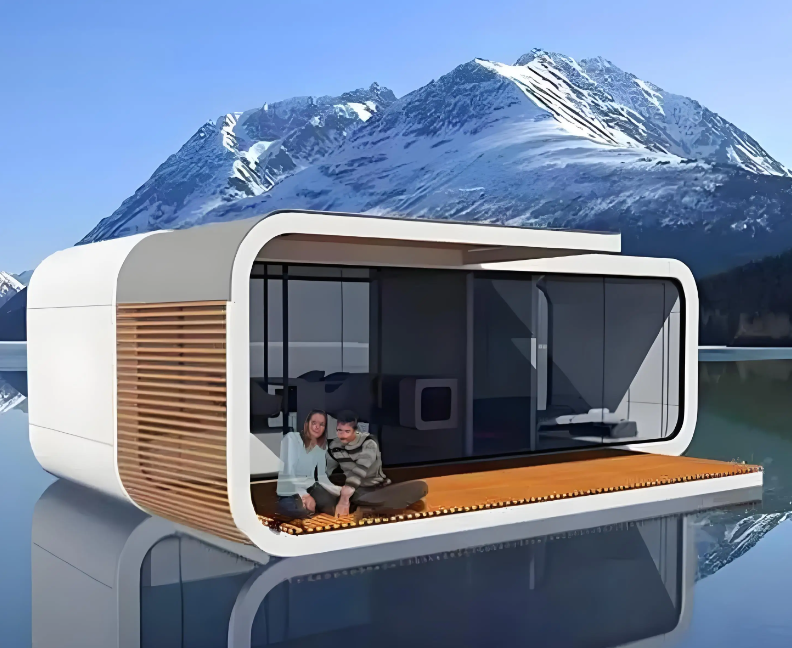
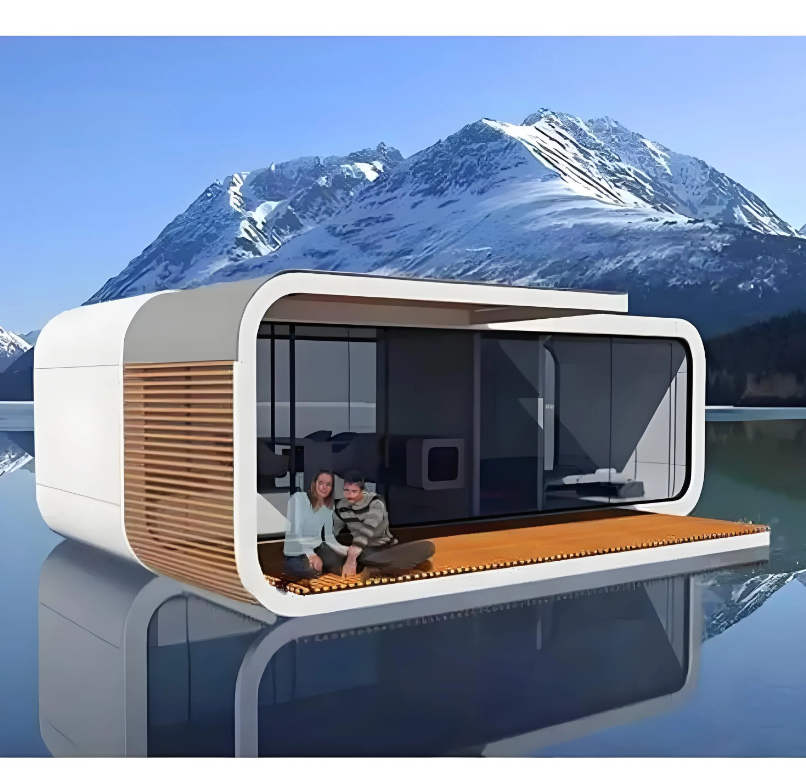
Accelerated Project Timelines with Portable House
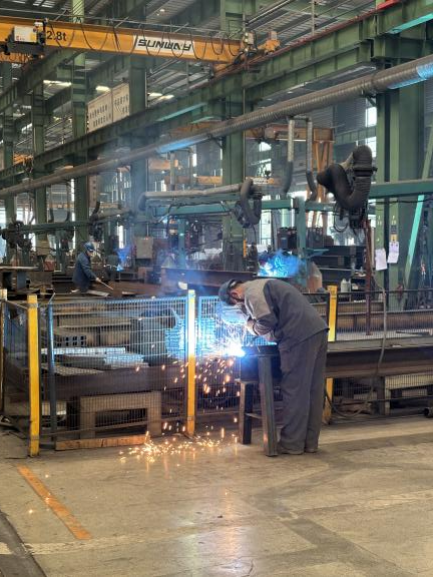
Off-Site Fabrication Cuts Construction Time by 40–60%
Building portable houses in factories instead of on-site means no more delays from bad weather and allows different parts of the job to happen at once. For instance, while workers are getting ready at the actual building location, the various sections of the house can be made inside temperature controlled buildings at the same time. This separation between tasks cuts down how long projects take overall, usually saving somewhere around half the time it would normally take using traditional methods. Inside these controlled factory settings, materials stay dry and protected, which means about 30 percent less need for fixing mistakes later on. The result is better quality throughout because everything follows standard procedures. Plus, since production doesn't stop when the sun goes down, there's less chance of those annoying delays that happen when one part of the process holds up everything else.
Rapid Deployment: From Delivery to Operational Use in Under 72 Hours
Portable house units that come pre-assembled are ready to use just about three days after they arrive on site. The foundations get built right into the unit during manufacturing, so when the truck pulls up, all that's needed is a crane to set it down and connect the utilities right away. The electrical wiring, plumbing pipes, and heating/cooling systems have already been tested at the factory which cuts down the time needed to get everything running by around 85 percent compared to building these systems on location. For situations where every hour counts, such as setting up temporary shelters after disasters or creating worker housing for construction projects, this kind of speed really matters. Contractors know all too well what happens when things take longer than expected these days the industry talks about daily fines ranging from five thousand to fifteen thousand dollars for each day delayed.
Cost Efficiency and Resource Optimization with Portable House
Lower Labor, Material Waste, and Site Management Costs
When work moves to offsite fabrication facilities, it cuts down on what crews need to do at actual construction sites by about half. Factories can cut materials with much greater accuracy and buy supplies in larger quantities, which means way less waste compared to regular building practices. Traditional construction still throws away around 30% of purchased materials because of mistakes or improper storage conditions. Foundations become simpler when components are already partially assembled elsewhere, and there's no waiting around for bad weather to pass before work can resume. This approach saves money on site supervision too since managers don't have to deal with unexpected delays or last minute material orders. Overall, this method creates a smoother workflow from start to finish while making better use of time and resources throughout the entire project lifecycle.
Predictable Budgeting: Fixed-Cost Modular Pricing vs. Traditional Cost Overruns
When it comes to portable housing projects, there's something called fixed-cost modular pricing that makes things much simpler for everyone involved. Traditional building methods often run way over budget, sometimes by as much as 20 to 30 percent according to the Construction Industry Institute. With factory built modules, costs stay pretty consistent across foundations, hookups for utilities, and finishing touches. No more worrying about unexpected expenses because of bad soil quality or sudden rainstorms during construction. People actually get detailed bills that break down everything from shipping charges to setup fees and any custom features they want added. This kind of clear financial picture helps organizations plan their money better without having to set aside extra cash just in case something goes wrong. For those working with grants or dealing with public funding requirements, this predictability can make all the difference between getting a project approved and watching it fall apart before it even starts.
Enhanced Flexibility, Mobility, and Lifecycle Value of Portable House
Seamless Relocation Between Sites Without Structural Compromise
These portable homes can actually be moved multiple times without losing their safety standards or how well they perform. The frames made from strong steel plus those special modular connections hold up really well during transportation when things get shaken around. Taking them apart and putting them back together doesn't need much preparation at all most of the time. People just put down some temporary bases and everything works out. This whole process takes about 70 percent less time compared to moving regular houses. Tests have shown these structures stay solid even after being relocated over ten times. For builders, this means big money savings too. On average, they save around fifteen thousand dollars each time they move one instead of tearing down old buildings and starting fresh.
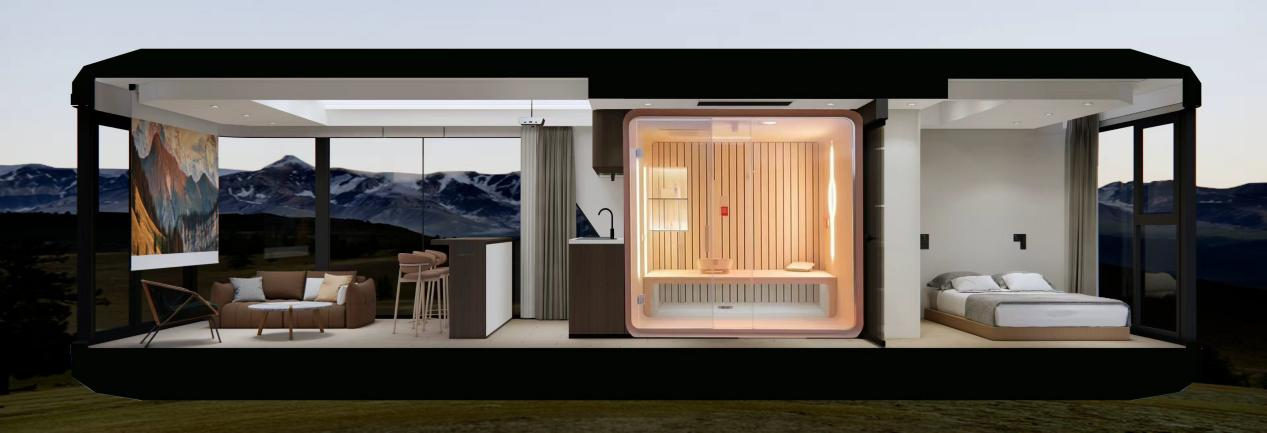
Scalable Customization for Temporary Offices, Site Accommodations, or Emergency Housing
Portable houses adapt seamlessly to evolving needs through scalable, reconfigurable designs:
- Temporary offices with demountable partition walls and integrated data/power infrastructure
- Worker accommodations featuring ADA-compliant restrooms, showers, and ventilation
- Emergency shelters rapidly deployable into disaster zones with life-safety compliance
Interior layouts and fixtures can be modified in days—not months—reducing long-term ownership costs by 30–50% versus permanent structures. Developers report up to 65% less material waste across projects due to reuse and component-level refurbishment.
FAQ Section
What are the benefits of off-site fabrication for portable houses?
Off-site fabrication cuts construction time by 40–60%, allows parallel task execution, reduces material wastage by about 30%, and avoids weather-related delays.
How long does it take to deploy a portable house after delivery?
A portable house can be operational within 72 hours after delivery, thanks to pre-assembled units and pre-tested systems.
What cost benefits do portable houses offer?
Portable houses reduce labor and material costs, minimize waste, and provide predictable budgeting through fixed-cost modular pricing.
Can portable houses be relocated easily?
Yes, portable houses can be relocated without compromising structural integrity, providing flexibility and cost savings.
Are portable houses customizable?
Yes, portable houses offer scalable customization options for various needs, such as temporary offices and emergency shelters.