EN
EN


Define Your Core Functional Priorities for the Capsule Home
Assess Lifestyle Needs: Work, Sleep, Storage, and Social Flexibility
Start looking at your real day to day life instead of what you think should be happening. Keep tabs on where time goes when working from home, how much sleep gets prioritized, all those boxes collecting dust, plus how often people drop by for dinner or drinks. City dwellers often find themselves needing around a third of their living area just for a decent desk setup these days. Those who regularly entertain guests tend to do better with furniture that can switch functions rather than sticking to traditional dining rooms. According to recent research from last year, nearly seven out of ten folks living in small spaces ended up rearranging things completely within half a year. That kind of flexibility shows why taking stock of daily habits before moving in saves money down the road compared to trying to fix problems after they appear.
Balance Minimalism with Livability in Sub-20m² Capsule Home Footprints
When dealing with really small living areas, what makes them feel livable comes down to smart compromises rather than just cutting back. Instead of having a full kitchen setup, many opt for something like a fold out countertop. Raising beds off the ground can free up valuable floor space for walking around or accommodating visitors when needed. Good layouts under 20 square meters typically leave about 40 percent of the area open for moving around freely. Adding different types of lighting helps too - combining task lights with softer ambient options creates a better atmosphere despite limited space. Just keeping at least 50 centimeters clear around important pieces of furniture makes a big difference in how easy it is to move through the room and generally feels more comfortable mentally speaking.
Optimize Layout and Zoning Using Modular Capsule Home Design Principles
Apply Functional Zoning Without Physical Barriers (Sleep/Work/Storage)
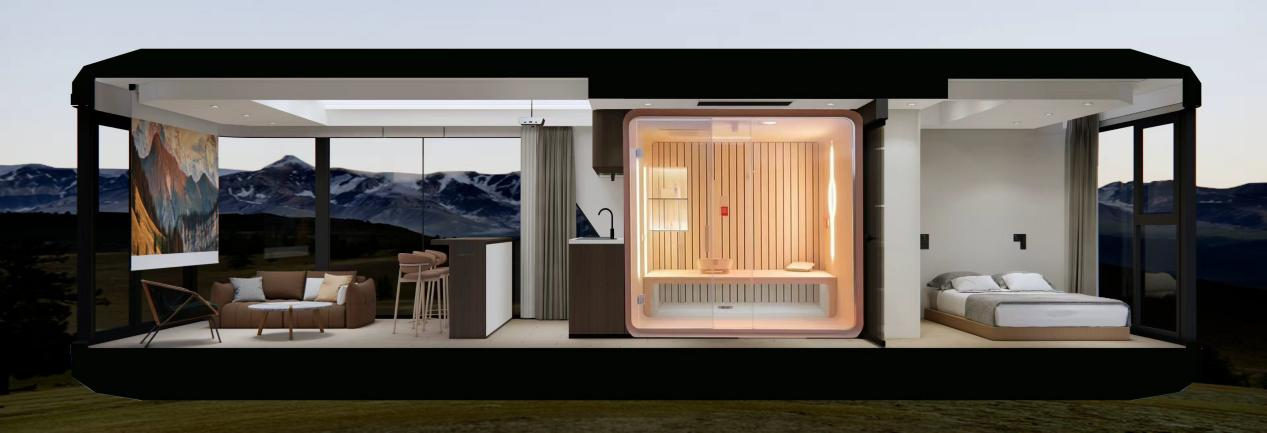
Define zones through elevation, light, and furniture—not walls. A sunken sleeping nook or raised desk platform creates visual separation while preserving openness. Open layouts increase perceived space by up to 40% in micro-dwellings. Reserve sliding panels only where function demands it—like hiding a toilet—keeping flexibility intact.
Select or Adapt Modular Capsule Home Architecture for Scalable Customization
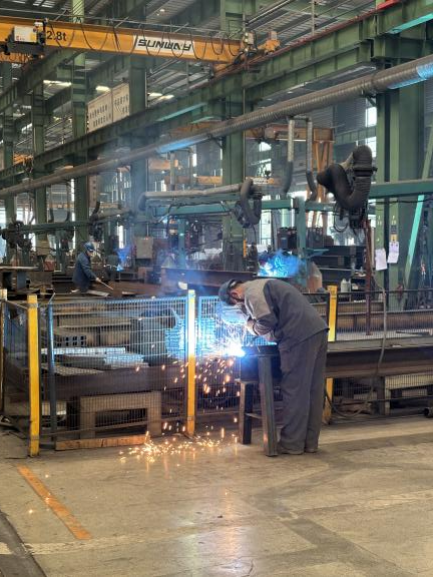
Choose factory-built modules with standardized connectors: they interlock precisely, support future additions (e.g., a kitchen pod), and cut construction waste by 60% (UNEP 2023). Prioritize open-source design frameworks to mix components freely—avoiding vendor lock-in. This modularity lets your capsule home scale with life, not against it.
Equip Your Capsule Home with Multi-Functional, Space-Saving Furniture
Choose Dual-Purpose Modules (e.g., Bed-to-Desk Transformations)
In under-20m² homes, furniture must earn its footprint. Sofa beds with hidden storage, wall-mounted desks that pivot into dining tables, and hydraulic bed-to-desk systems reclaim up to 7m²—35% of typical capsule floor area. One-motion mechanisms reduce daily friction; dwellers using such systems report 40% fewer clutter-related stressors (2023 micro-housing survey).
Prioritize Ergonomic, Compact Furniture Anchored in Real-World Usage Data
Good ergonomics isn't just nice to have, it forms the basis of comfortable workspaces. When designing desks, we need to ensure there's about 70 centimeters of space under the knees even when the desk is folded down. For smaller seating options, adding around 25% more support in the lower back area really helps reduce tiredness after long periods sitting. Looking at actual body measurements gives us practical guidelines for what works best. Seats should be between 40 and 45 cm deep to avoid putting pressure on the sciatic nerve. Work surfaces positioned at approximately 72 cm plus or minus 5 cm can cut down shoulder discomfort by nearly 20%. Keeping storage areas within a 60 cm reach zone dramatically reduces the risk of back injuries from constant bending. Companies that actually test their designs with real people using them tend to see about 30% better satisfaction rates among those who spend time in these spaces daily.
Unlock Vertical Potential: Smart Storage and Elevated Systems in Capsule Homes
The vertical dimension remains largely untapped potential for many spaces. Installing wall mounted shelves that can be configured as grid systems or track panels effectively triples available storage without taking up floor space. Up above, ceiling mounted compartments provide safe storage for those seasonal decorations and rarely used items. To make things accessible, cabinets should generally be installed below 1.8 meters high. Pairing higher storage areas with retractable ladders or motor operated lifts makes retrieval much easier. Early planning allows these storage solutions to work well with loft beds and elevated desks, transforming otherwise empty airspace into practical storage that actually supports structural needs. Studies indicate that making good use of vertical space can increase usable area by around 40 percent in smaller homes.
Enhance Daily Functionality with Purpose-Built Smart Home Integration
Automate Lighting, Climate, and Accessible Storage via Low-Power IoT
When it comes to small spaces, IoT automation really shines. Take motion sensors for LED lights as an example, they get rid of those annoying switches and save tons of electricity too. Smart thermostats are pretty cool because they actually figure out when people are around, which means less wasted heat or air conditioning in tiny apartments. Some voice controlled cabinets pop open whenever needed, so no more bending down or stretching in cramped kitchen areas. Most of these systems run on something called Zigbee technology, which doesn't guzzle power like older stuff did. And there's usually some kind of central app where everything gets controlled together, making life easier despite the space limitations. Instead of feeling confined, smart tech turns these little spots into places that just work better day after day.
FAQ
Q: What is a capsule home?
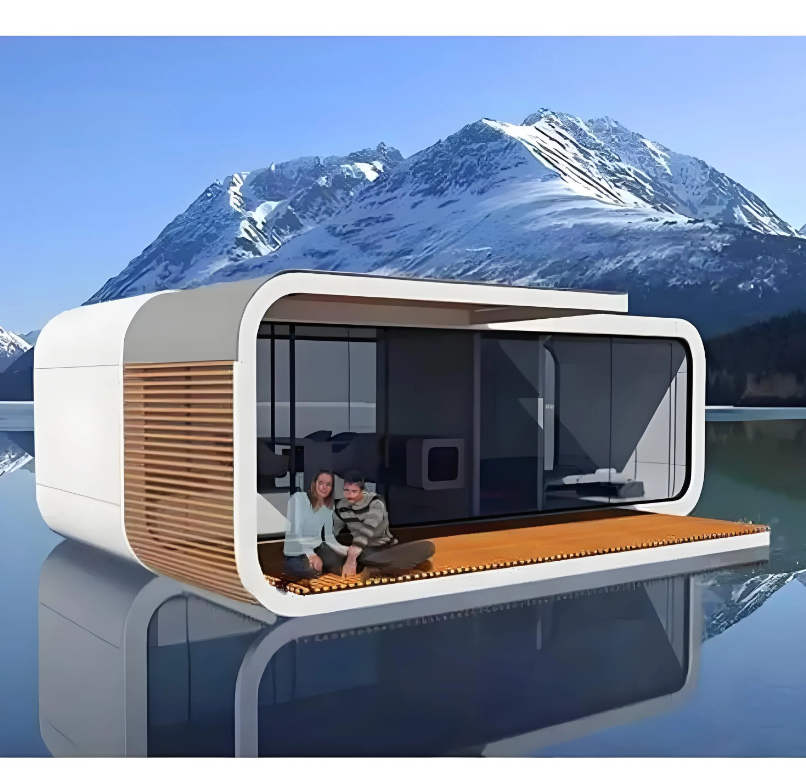
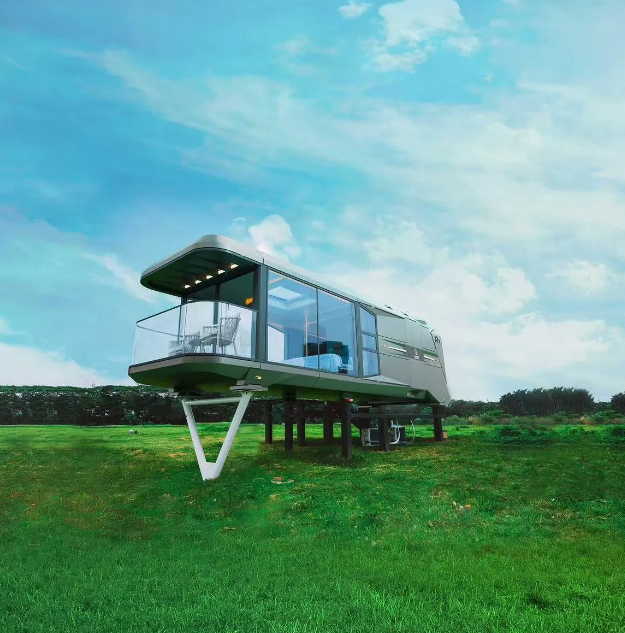
A: A capsule home is a compact, efficiently designed living space, often under 20 square meters, emphasizing multifunctional and modular design to maximize usability in small areas.
Q: How can I make a small living space more versatile?
A: You can make a small space more versatile by utilizing multi-functional furniture like sofa beds, wall-mounted desks, and by applying modular design principles for scalability and customizable zoning.
Q: What is the benefit of smart home technology in a capsule home?
A: Smart home technology in a capsule home enhances functionality by automating lighting, climate control, and accessible storage, making the living experience more efficient and comfortable.
Q: How can I optimize storage in a small space?
A: Optimizing storage in a small space can be achieved by using vertical storage solutions such as wall-mounted shelves, ceiling-mounted compartments, and integrating retractable ladders or lifts for accessibility.
Table of Contents
- Define Your Core Functional Priorities for the Capsule Home
- Optimize Layout and Zoning Using Modular Capsule Home Design Principles
- Equip Your Capsule Home with Multi-Functional, Space-Saving Furniture
- Unlock Vertical Potential: Smart Storage and Elevated Systems in Capsule Homes
- Enhance Daily Functionality with Purpose-Built Smart Home Integration
- FAQ