EN
EN


Accelerated Timeline Through Offsite Manufacturing
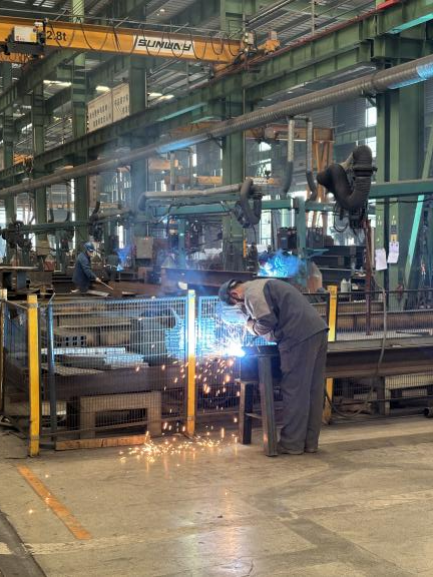
Modern prefab houses leverage factory-built precision to slash construction timelines by 30–50% compared to traditional stick-built methods. Controlled manufacturing environments eliminate weather delays and enable rigorous quality checks, reducing rework by up to 90%. This precision-driven approach ensures components arrive site-ready, accelerating assembly phases significantly.
How Factory-Built Precision Cuts Construction Time by 30–50% vs. Stick-Built
Factory production standardizes workflows through jig-based assembly and automated cutting, achieving four times faster component fabrication than on-site methods. Critical path analysis reveals how this efficiency transforms project scheduling:
| Timeline Factor | Traditional Build | Prefab Construction | Time Saved |
|---|---|---|---|
| Foundation-to-Envelope | 12–16 weeks | 3–5 weeks | 70–80% |
| Interior Finishing | 8–10 weeks | 2–3 weeks | 60–75% |
| Weather-Related Delays | 15–25 days/year | 0 days | 100% |
A 2025 McKinsey report confirms projects using volumetric modules complete structural phases 50% faster. This velocity stems from concurrent manufacturing stages—while walls undergo quality inspection, roof trusses advance through painting stations.
Parallel Workflow: Simultaneous Site Prep and Module Fabrication
When it comes to offsite construction, one big advantage is how it breaks those pesky scheduling links between different parts of a project. Instead of waiting for foundations to dry before starting anything else, workers can actually build modules at the same time as preparing the site. According to various industry reports, projects using this approach tend to finish around 45 percent faster overall. Think about it this way: while onsite crews are getting the ground ready for construction, factory workers back at base are putting together complete rooms with all their electrical, plumbing and HVAC systems already installed. The result? Materials arrive exactly when needed, which cuts down on expensive temporary storage spaces and saves about 30% in labor costs for what's left to do on site. Many contractors now see this synchronized approach as essential for staying competitive in today's tight construction market.
Budget Certainty and Reduced Financial Risk
Fixed-Price Contracts, Material Lock-In, and Minimal Change Orders
Prefab homes today really help keep budgets under control thanks to three main factors. For starters, when homeowners sign those fixed price contracts, they know exactly what they're paying right from the beginning. No more worrying about unexpected costs popping up because of rising labor prices or sudden jumps in material costs. Another big plus is how manufacturers get all their materials locked in at set prices well before any actual building happens. This practice protects against wild swings in the market that can hit traditional builders so hard. And let's not forget about design stability either. Because everything gets thoroughly checked out in the factory first, there are way fewer changes needed later on site. Some studies show this cuts down change orders by somewhere between 60% and 80% compared to regular construction methods. All these things together make for a much smoother experience without those nasty surprises that tend to blow budgets completely out of proportion.
Data Spotlight: 22% Lower Cost Variance in Modern Prefab Houses (Dodge Construction Network, 2023)
Looking at the numbers makes it clear why prefabrication has financial benefits. A recent report from Dodge Construction Network in 2023 shows that today's prefab homes have about 22% less cost variation compared to regular building methods. Cost variation basically means how much actual spending differs from what was originally budgeted. Prefab manufacturing happens in factories where there's much less waste too. Most prefab operations only waste around 3 to 5% of materials while traditional sites can lose up to 30%. Weather problems don't mess things up either since everything happens indoors. Traditional builders often face delays costing them an extra 15 to 20% on projects because of bad weather. With this kind of predictability, companies can plan their finances better and usually need about half as much money set aside for unexpected expenses.
Streamlined Permitting and Minimal On-Site Disruption
Pre-Approved Designs, Standardized Engineering, and Faster Municipal Review
Prefab homes today come with ready-made designs that have already passed engineering checks, making it much quicker for city officials to approve them. The parts made in factories follow standard building rules pretty consistently, so there's way less back and forth during inspections than what happens with custom built homes. Most people report seeing about half the usual number of changes needed before getting final approval. City workers can handle these standard designs much faster because all the math work and material lists were checked beforehand. As a result, permits that used to take months now get approved within weeks, especially noticeable in places where lots of new housing is being built right now.
Compact Site Footprint, Weather-Resilient Assembly, and Neighbor-Friendly Scheduling
Prefabricated buildings need about 70 percent less room at construction sites compared to regular building techniques because everything gets put together inside factory walls first. The smaller site presence means there's not so much noise bouncing around, fewer dust clouds floating through neighborhoods, and traffic jams don't happen as often since big machines aren't constantly coming and going from staging zones. When it rains cats and dogs or when temps hit extremes outside, workers can still get stuff done inside climate-controlled environments where important parts of the job aren't affected by Mother Nature's mood swings. Most prefab projects also try to be good neighbors by timing deliveries for times when streets aren't packed and keeping loud work sounds down to early morning weekdays only. These common sense approaches help keep communities happy while getting buildings finished faster too many folks report finishing their projects anywhere between 30 and 50 percent quicker than standard construction timelines.
Design Flexibility Without Compromising Project Efficiency
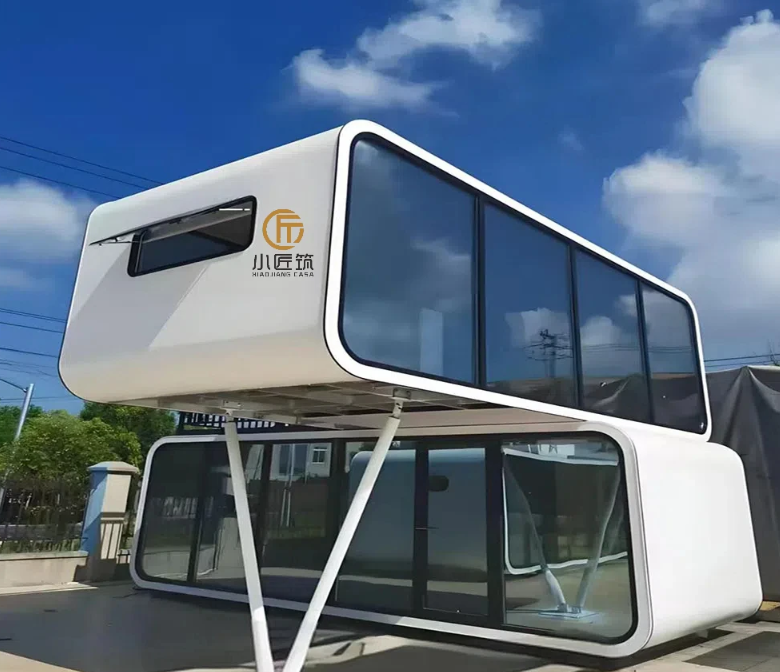
Prefab homes today offer surprising architectural flexibility despite what many people think. Homeowners can get multi story designs, unique exterior looks, and specially tailored interior spaces while still sticking to tight construction schedules thanks to better planning methods. When builders sort out all the looks and functionality stuff before breaking ground, they cut down on those changes that happen halfway through which are responsible for about three quarters of delays in regular construction projects. The controlled factory environment makes it possible to build complicated designs with incredible accuracy because everything gets assembled using precise jigs. No worrying about bad weather stopping work or different trades fighting over who does what next. Even fancy features such as cantilevers or high ceiling areas can fit right into standard manufacturing processes now. So contrary to popular belief, getting something custom made these days actually works pretty well alongside efficient mass production techniques.
FAQ
What is the main advantage of using prefab houses for construction?
Prefab houses significantly reduce construction timelines by 30–50% and provide budget certainty through fixed-price contracts and less material waste.
How does prefab construction minimize financial risks?
Prefab construction utilizes fixed-price contracts and material lock-ins, which prevents unexpected cost increases. It also reduces change orders, providing a more predictable budgeting scenario.
How does prefab construction affect the permitting process?
Prefab homes often come with pre-approved designs and standardized engineering, which speeds up the municipal approval process. Permits that typically took months can be approved within weeks.
Why are prefab homes considered neighbor-friendly?
Prefab homes require less site space, reduce noise and dust, and often follow neighbor-friendly scheduling, minimizing disruption to surrounding communities.