EN
EN


Site Constraints and Environmental Requirements for Prefab Homes
Terrain & Access: Installing Prefab Homes on Steep, Remote, or Infrastructure-Limited Sites
Getting those prefabricated modules to tough construction sites really requires some careful planning when it comes to logistics. When dealing with steep terrain, contractors need special equipment like heavy duty cranes plus strong foundation solutions such as helical piles or concrete piers that step down the slope. For projects in remote areas, building temporary roads becomes necessary quite often. And what about places without proper utilities? That's where off grid systems come into play, think solar power setups and water collection from rainfall. Sometimes narrow or twisty access paths mean taking apart parts of the modules before transport, which can eat up around 15 to 30 percent extra time during installation. Before anything else happens though, proper land preparation matters a lot. Soil tests following ASTM standards aren't just recommended they're absolutely required especially if there isn't much existing infrastructure nearby. This helps guarantee the whole structure stands firm over many years.
Climate Resilience: Designing Prefab Homes for Snow Loads, Coastal Winds, and Thermal Extremes
When building prefab homes, they need proper engineering for local weather conditions right from the start, not something added later on. Take areas with heavy snowfall for instance. The roof needs to handle around 30 to 50 pounds per square foot of weight, which means installing stronger truss systems that follow the latest ASCE 7-22 guidelines. For coastal properties, builders typically go with marine grade stainless steel screws, windows wrapped in aluminum cladding, plus hurricane straps designed to withstand wind speeds over 120 miles per hour according to ICC-600 standards. In really cold or hot climates, continuous insulation becomes essential. Walls should have at least R-30 rating while roofs need R-50 minimum. Thermal break framing helps prevent heat loss through structural connections. And don't forget triple glazed low e windows paired with tightly sealed construction envelopes. These features together cut down on heating and cooling costs by roughly 40 percent when compared to standard buildings. Field research conducted by Building Science Corporation backs up these energy savings claims too.
Ecological Stewardship: Low-Impact Installation and Habitat Preservation with Prefab Homes
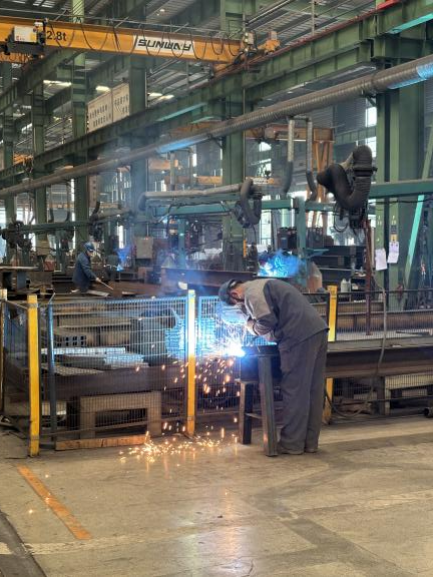
Prefabricated buildings leave a much smaller mark on the environment compared to traditional methods. The helical pile system replaces conventional concrete foundations entirely, cutting down soil compaction problems by around 90 percent while keeping roots intact and protecting underground water systems. When developers cluster structures so they take up no more than about 30% of available land space, this helps maintain paths for animals to move freely and protects existing ground cover plants. For handling rainwater runoff, many projects now incorporate green roofs planted with local species along with special paving stones that let water soak through naturally, meeting all required EPA standards for stormwater control. Manufacturing these components in controlled factory settings also means there's barely any leftover materials at all, sometimes as little as 4 or 5% waste, which stands in stark contrast to the typical 15-20% seen across most construction sites. All these approaches work together to protect local wildlife habitats while still delivering strong, reliable structures that stand the test of time.
Prefab Home Types Optimized for Scenic Integration
Modular, Panelized, and Kit-Based Prefab Homes: Trade-offs in Structural Adaptability and View Framing
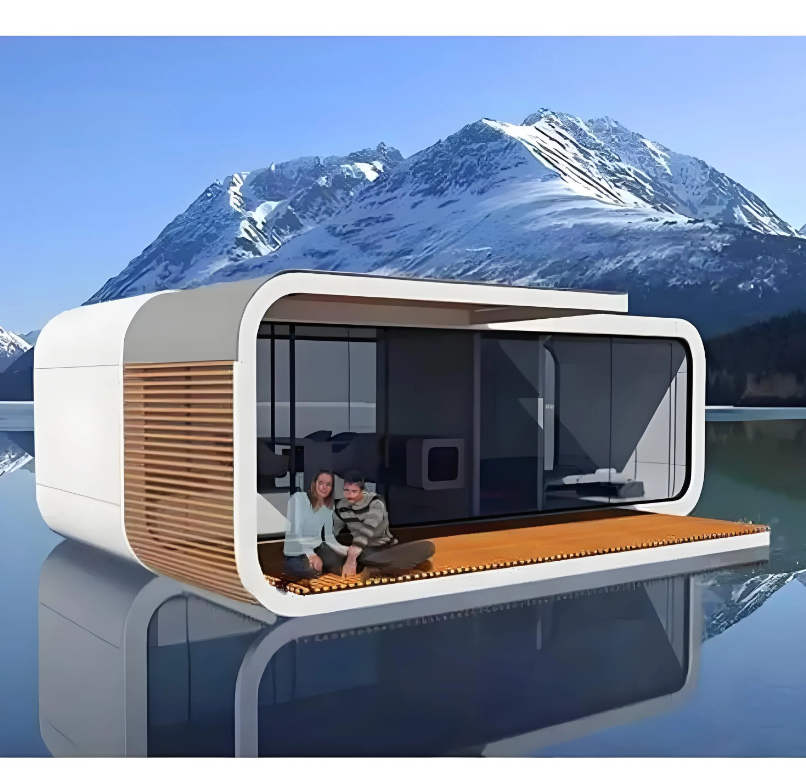
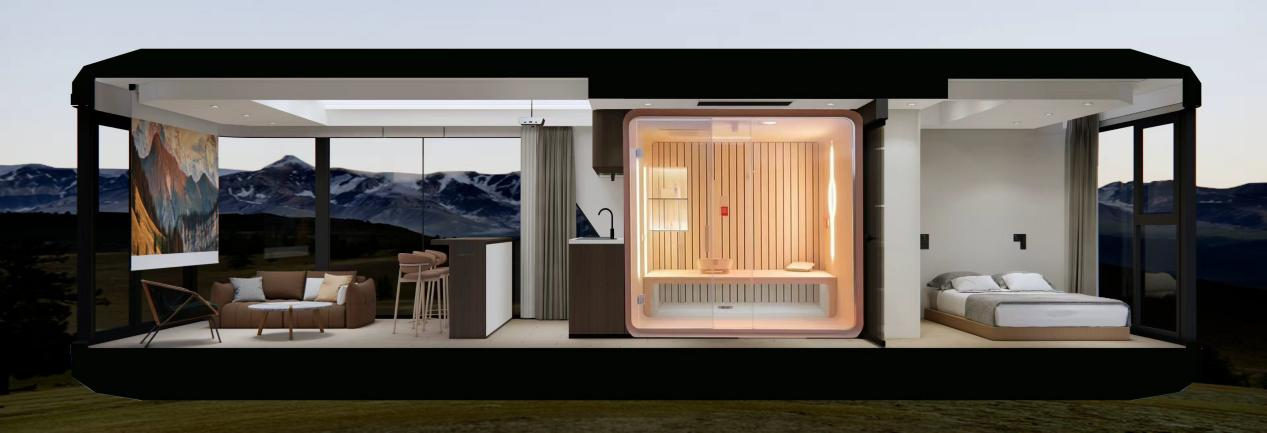
Modular homes bring predictable structures and fast assembly times, making them great for tricky terrains. These homes are built in factories as volumetric units that can handle cantilevers, split level foundations, and layouts designed around views. Panel systems give architects more freedom when it comes to big windows and positioning buildings to take advantage of nice sights. The factory sealed walls and roofs still keep everything airtight and thermally continuous though. Kit based homes allow for the most customization depending on the specific site conditions, although they need more skilled workers onsite and generally take longer to build. Compared to traditional stick built houses, all these modular options cause much less disruption at construction sites. This means better blending into surrounding landscapes and helps protect local ecosystems during building.
Repurposed Shipping Container Prefab Homes: Durability vs. Contextual Sensitivity in Natural Landscapes
Shipping containers as homes stand up remarkably well structurally. Steel frames can handle pretty intense coastal winds around 175 mph and even heavy snow loads over 50 pounds per square foot. That makes these containers great options for places near mountains or along coasts. However, the boxy look doesn't always fit naturally into delicate landscapes. To blend better, builders often cover containers with wood from nearby areas, sometimes stone, or charred cedar panels. Creating berms (those mounds of earth) around the structure helps too, as does positioning containers at angles that follow the land's natural contours. One actual project on the Oregon coast managed to cut down on how big and glaring the containers looked by about 70% through simple tricks like building earth berms and planting local shrubs strategically around them. This shows clearly that strong construction doesn't have to come at the expense of environmental care when designers pay attention to how buildings interact with their surroundings.
Design Strategies for Seamless Visual and Functional Harmony
Landscape-Responsive Architecture: Form, Orientation, and Natural Material Selection for Prefab Homes
When buildings actually respond to their surroundings rather than just sitting there looking pretty, that's when true integration happens. Think about those sloped or butterfly shaped roofs that let snow slide off easily while directing rain away from foundations. Cantilevered designs work great too, especially on sites with sensitive soil conditions where minimal ground disturbance matters. Getting orientation right makes all the difference for passive heating and showcasing nice views. According to recent studies in sustainable design, buildings designed this way can save around 25-30% on yearly energy costs. Materials matter as well. Using stuff like treated wood that lasts longer outdoors, stones taken from nearby quarries, or old bricks that have been given new life not only looks good but cuts down on carbon footprint. These material decisions aren't just aesthetic either. Buildings with lower profiles handle strong winds better, walls made with thermal mass keep indoor temps stable throughout the day, and surfaces that don't reflect light help protect birds from flying into glass and reduce unwanted nighttime glare.
Real-World Validation: How Prefab Homes Achieved Scenic Integration
Real world examples show how this combined method actually works for both environment and looks. Take the Kaikōura Coast in New Zealand where builders created modular homes with clever angled walls and recessed windows that cut down on salty sea breezes but still let residents enjoy stunning ocean vistas without weakening the building's structural strength. Up in Scotland's Highlands, architects went another route entirely. They built small, squat structures covered in fiber cement panels that matched the local heather colors so well they practically disappeared into the landscape. These buildings sit on raised bases that allow water to pass through during seasons when flooding might otherwise be an issue, all while keeping those precious carbon storing soils safe from damage. What makes these projects stand out isn't just their appearance though. Both followed tough environmental guidelines including limiting digging to under 100 cubic meters per site, avoiding any damage to plant roots except right around foundations, and completely skipping reflective glass surfaces. After everything was built, follow up checks showed over 95 percent of original plants remained untouched, proving that prefabricated housing can really balance practical needs, good design, and nature protection at the same time.
FAQs
What are the main benefits of prefab homes in remote areas?
Prefab homes are ideal for remote areas because they can be rapidly assembled on-site with less need for heavy machinery, minimizing environmental disruption.
How do prefab homes withstand extreme climates?
Prefab homes are engineered to meet local weather conditions, with features like strong truss systems for snow, marine-grade materials for coastal winds, and high insulation ratings for thermal extremes.
Why might someone choose a shipping container home?
Shipping container homes offer durability against severe weather conditions and ease of transport, making them suitable for varied geographic locations.
How are prefab homes environmentally friendly?
Prefab homes reduce waste due to factory-controlled manufacturing, use eco-friendly materials, and are designed to minimize environmental impact during construction.