EN
EN


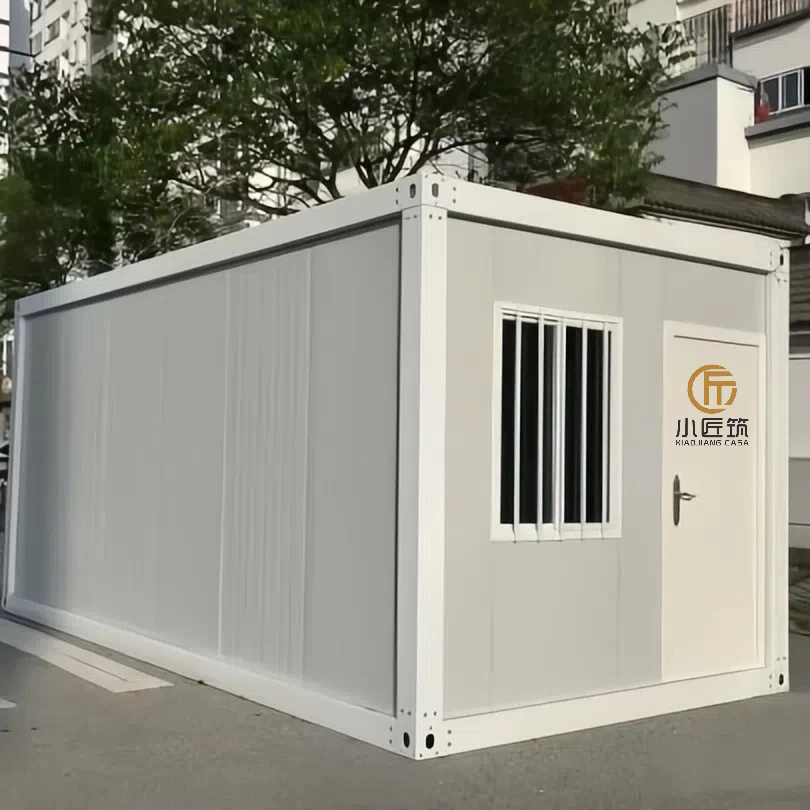
Prefabricated house interior design focuses on optimizing the functional and aesthetic potential of homes built with prefabricated modules, addressing the unique constraints and opportunities of their construction. These interiors are characterized by efficient use of space, as prefabricated homes often have standardized dimensions that require thoughtful layout planning. Open floor plans are common, creating a sense of spaciousness and allowing for flexible use of areas—combining living, dining, and kitchen spaces into one cohesive zone. Built-in furniture is a popular solution, with custom cabinets, bookshelves, and seating that fit precisely into the home’s dimensions, maximizing storage without wasting space. Materials chosen for prefabricated interiors prioritize durability and lightweight properties, such as engineered wood flooring, vinyl plank, or quartz countertops, which resist wear and are easy to install. Color and lighting are used strategically to enhance the interior: light walls and ceilings reflect natural light, while accent walls or textured finishes add depth. Lighting fixtures are selected to complement the home’s scale, with recessed lighting for general illumination and pendant lights or sconces for task and ambient lighting. The integration of utilities is seamless, with electrical outlets, plumbing fixtures, and HVAC systems designed to blend into the interior rather than stand out. Prefabricated house interiors balance practicality with comfort, proving that efficient construction does not compromise on livability, offering residents spaces that are both functional and visually appealing.
24
Apr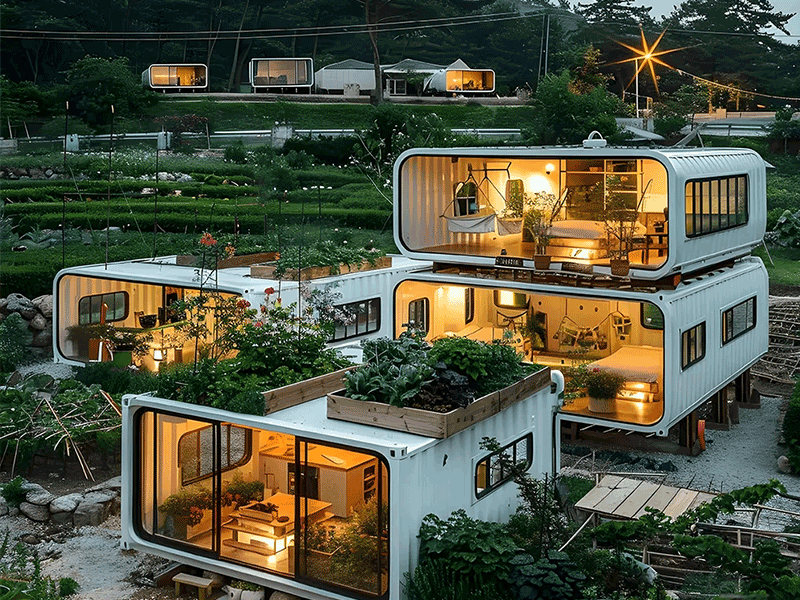
24
Apr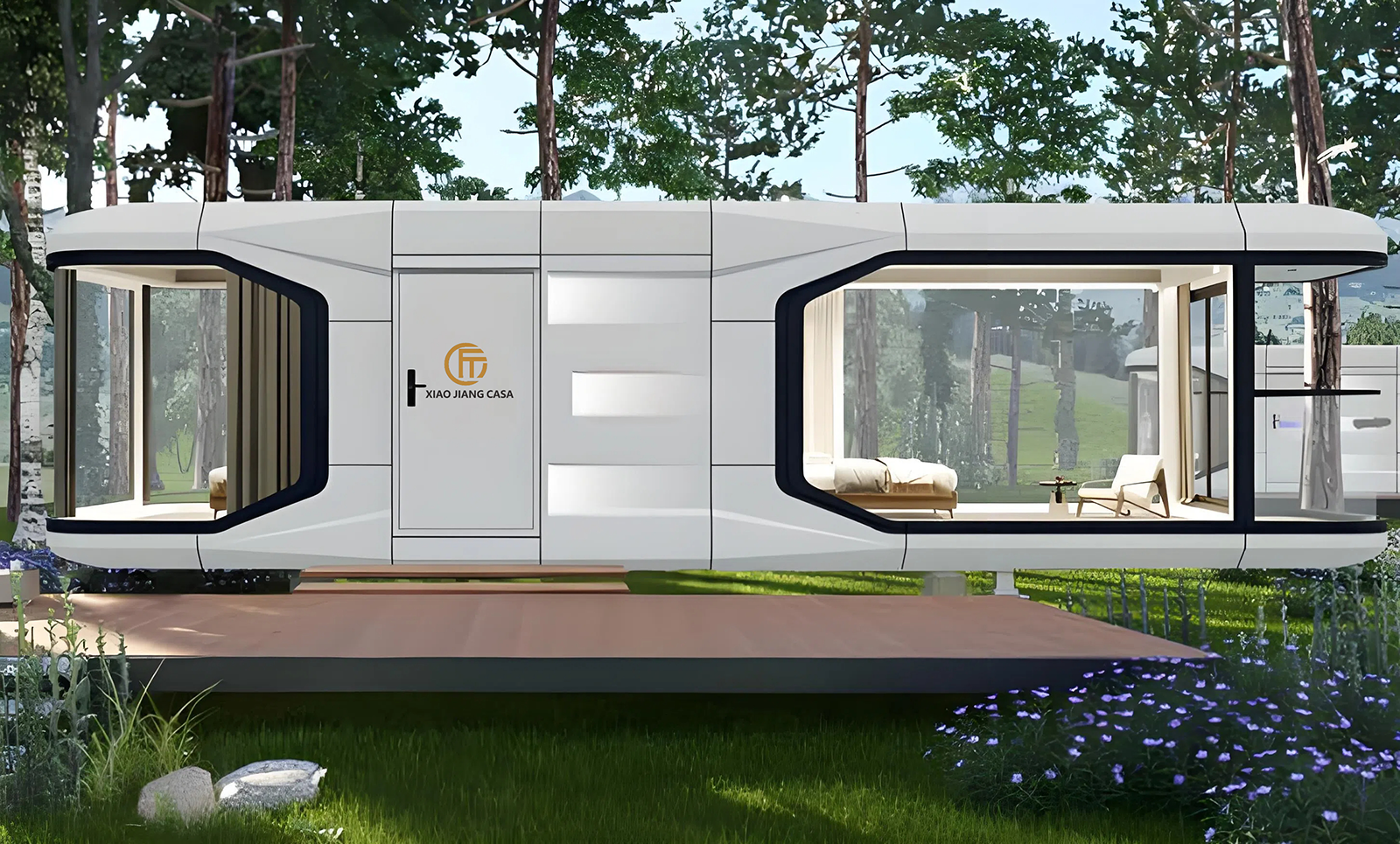
25
Apr
25
Apr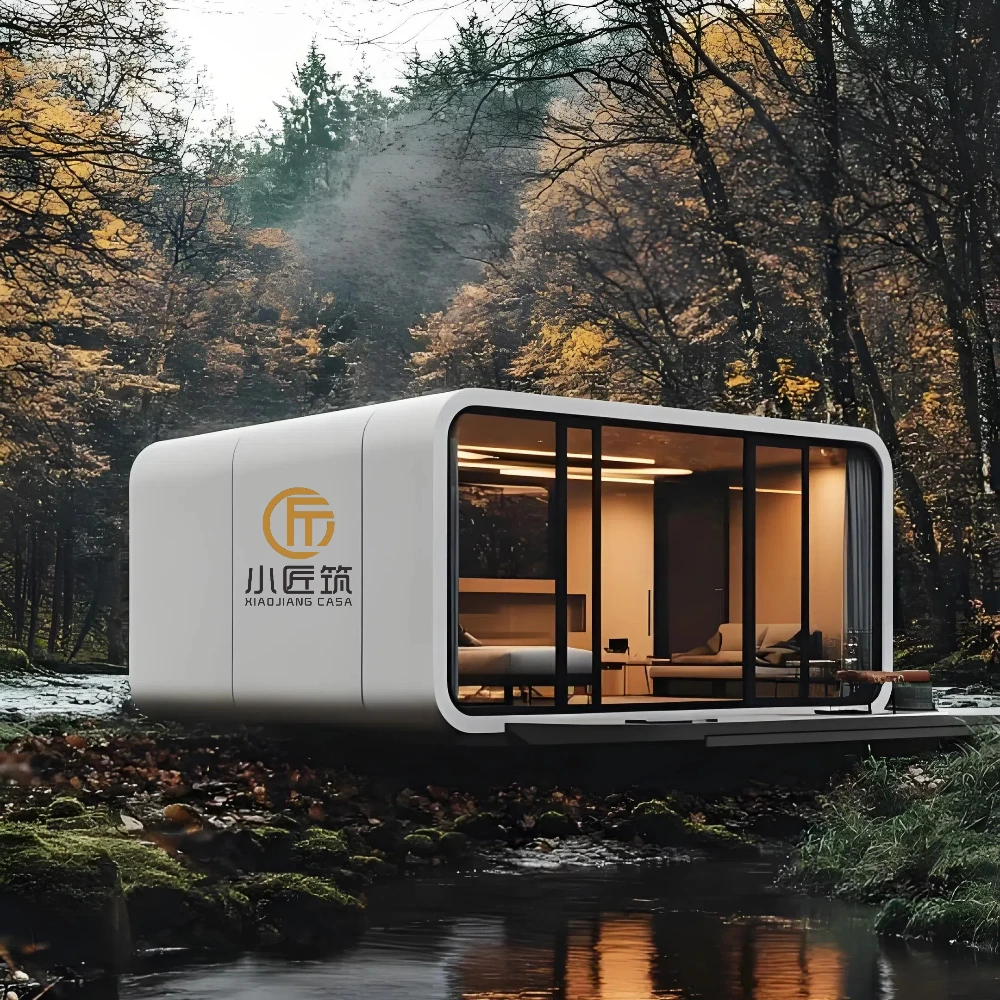
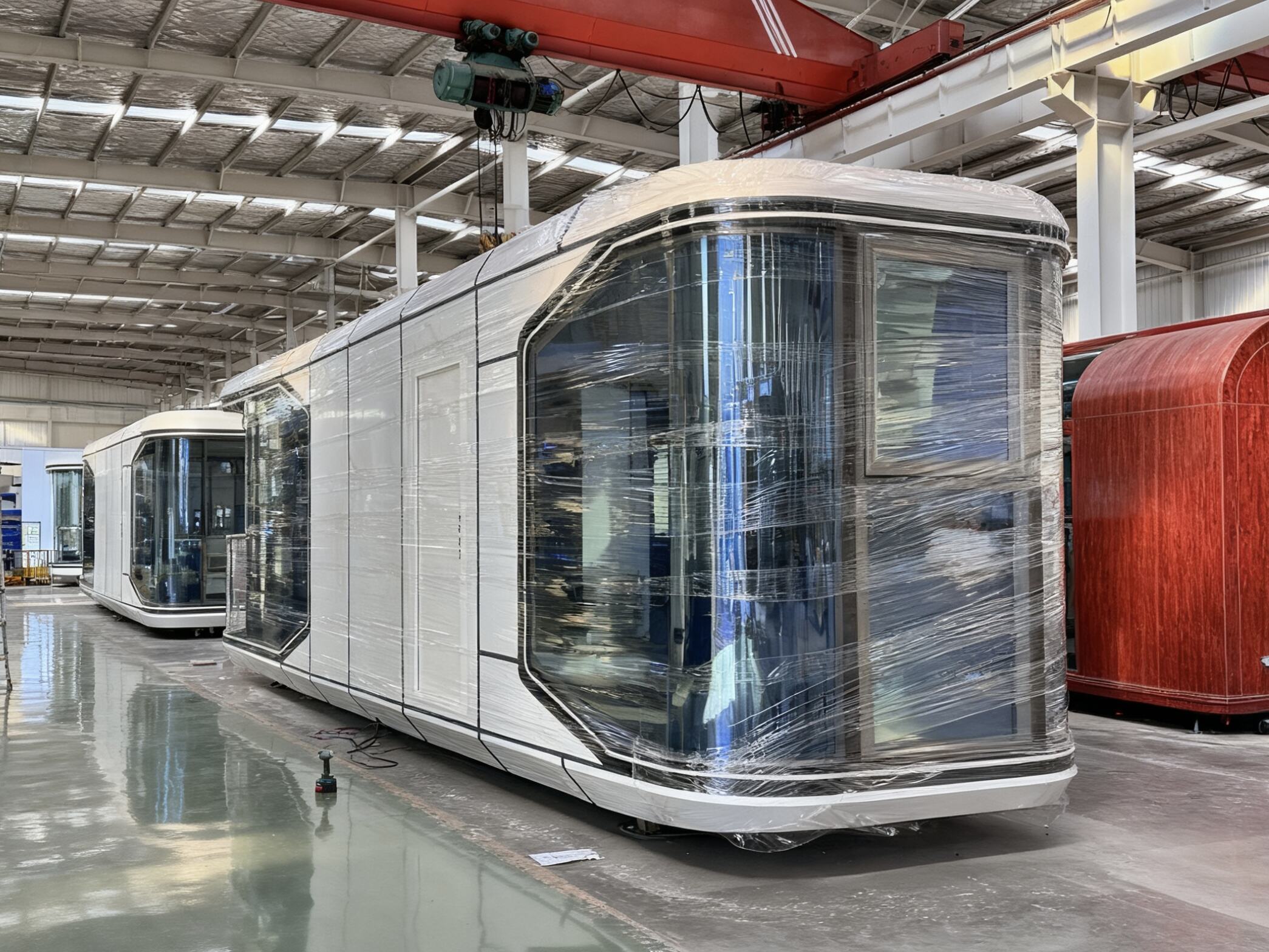
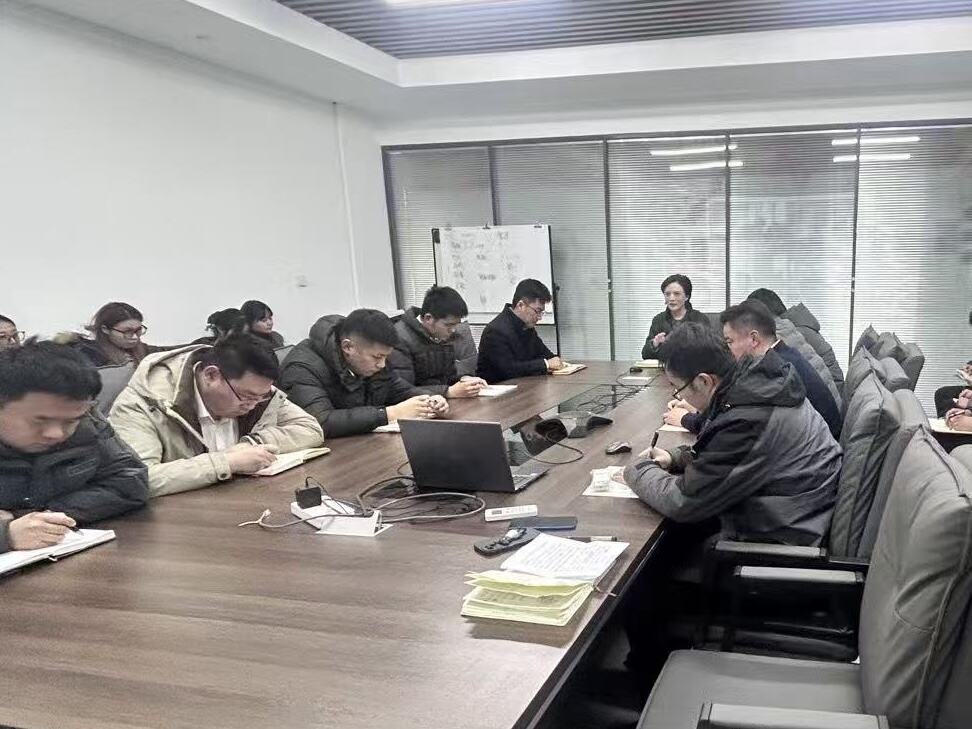
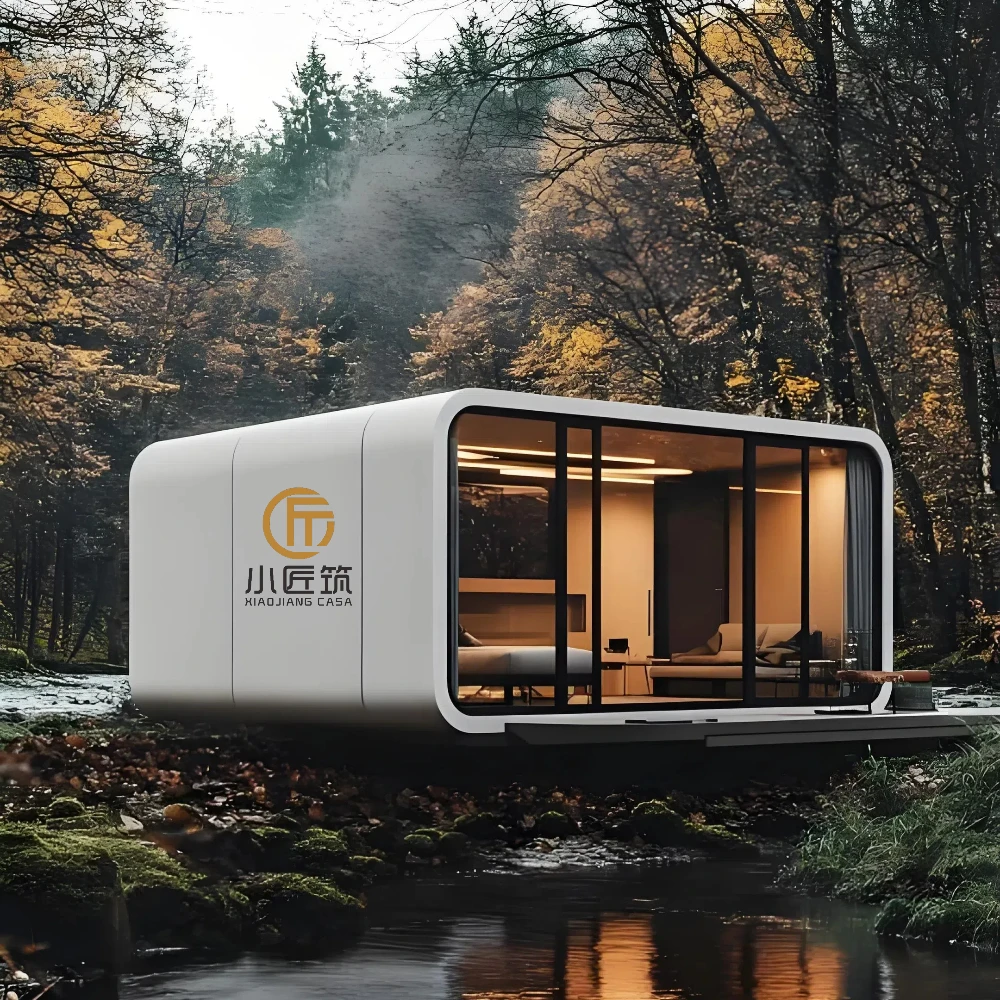
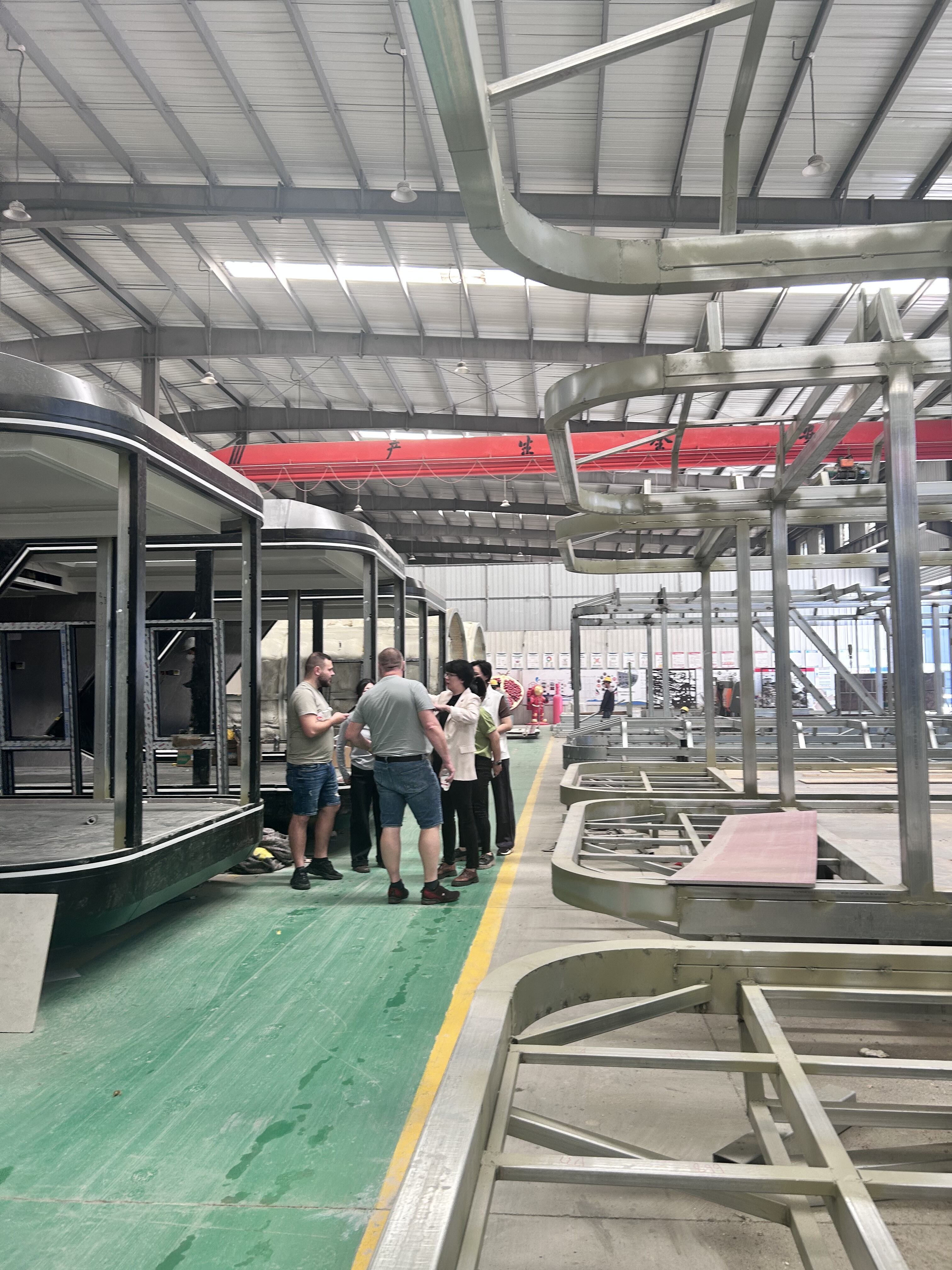
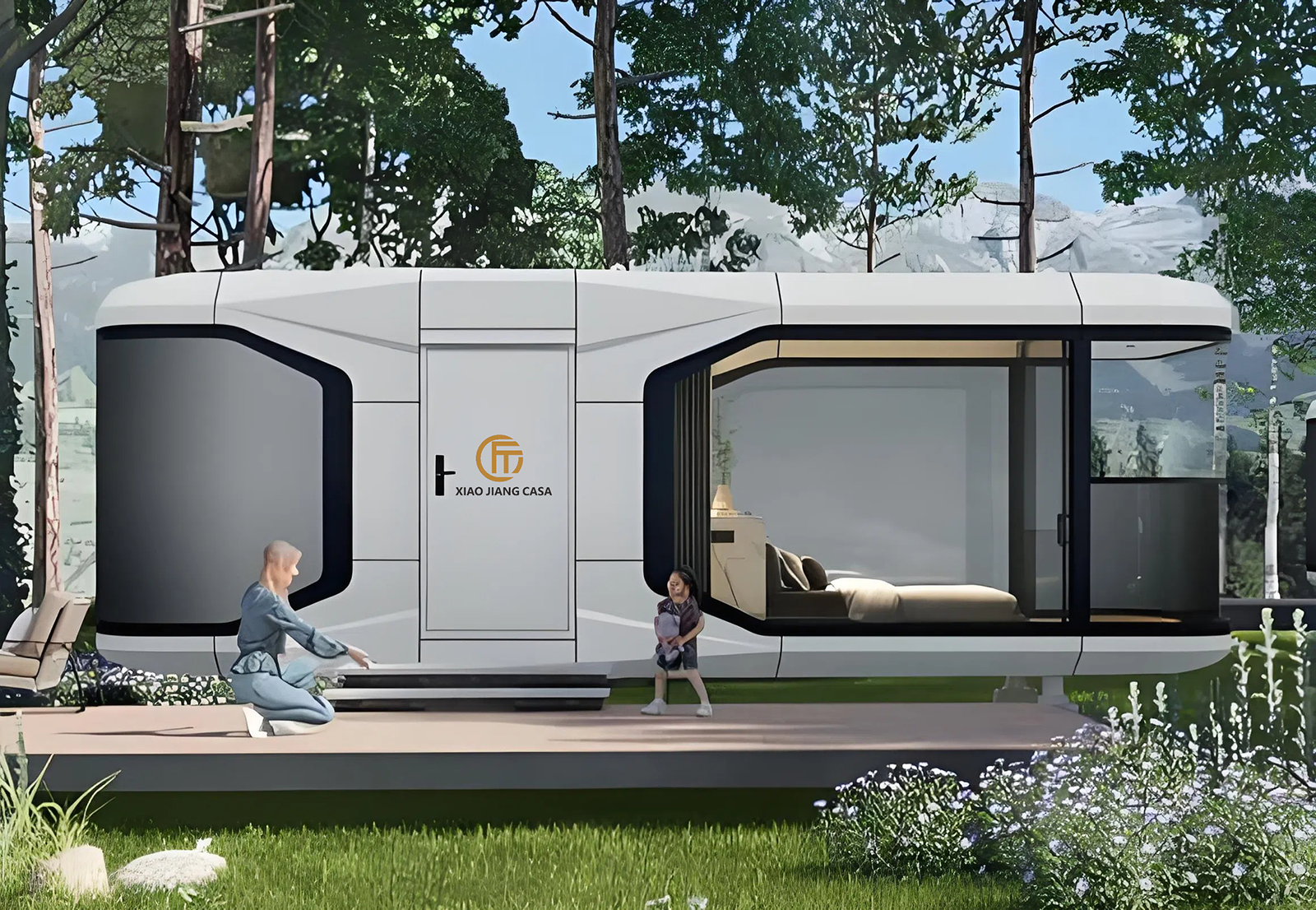
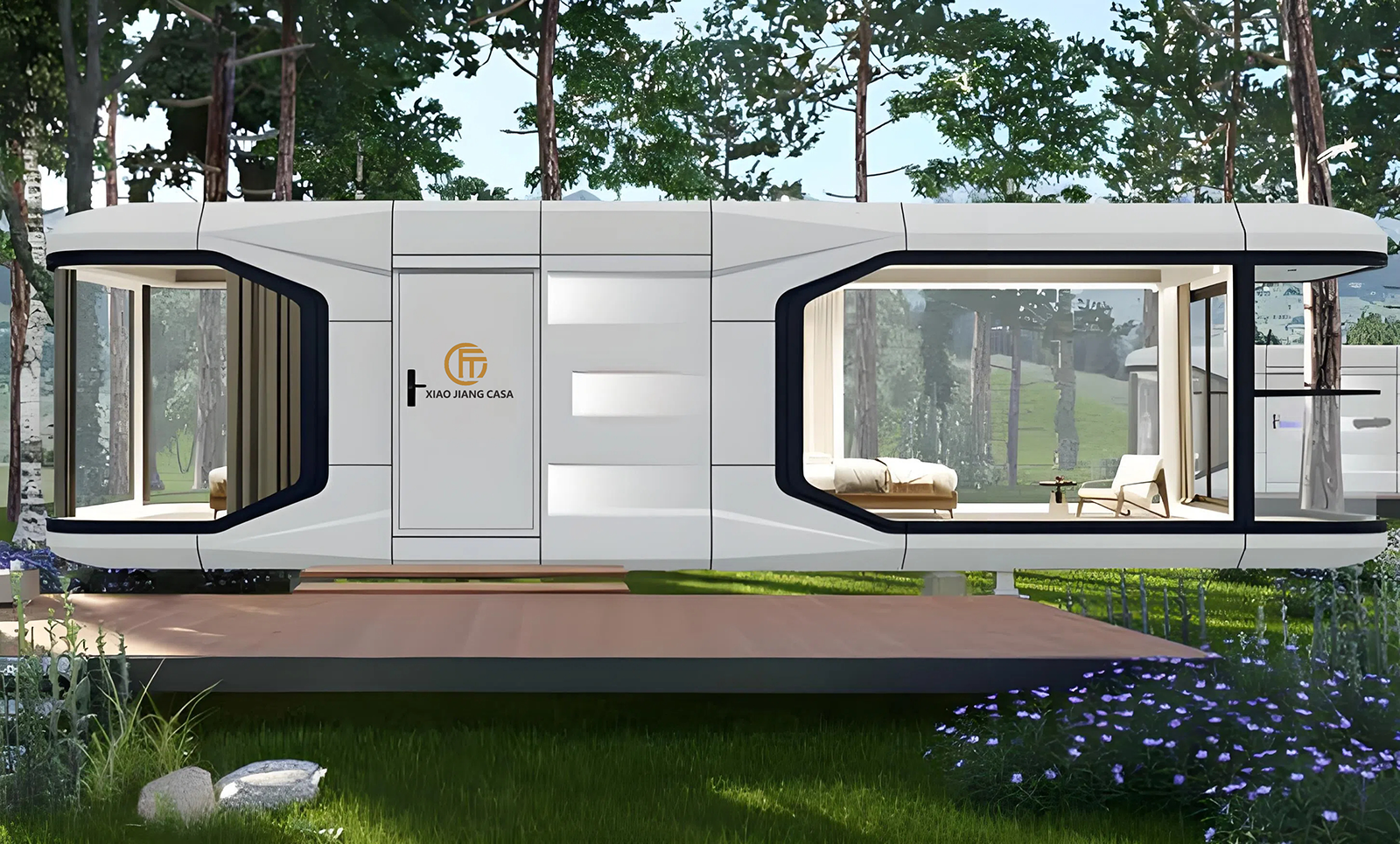
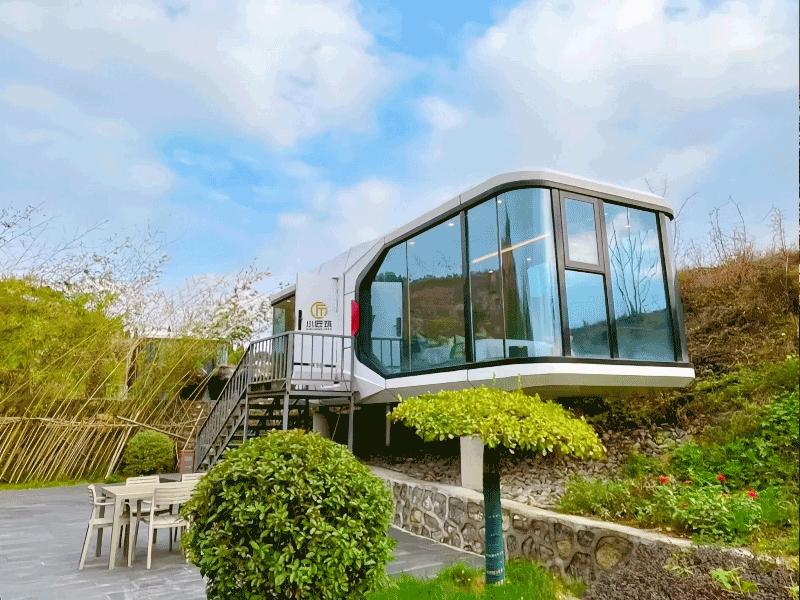
Xiaojiangcasa has a professional design and production team. The technical team strictly controls the product from research and development to implementation, insisting on starting from a professional perspective, innovatively developing future cabin products that are both aesthetically pleasing and practical, and implementing this concept in their work。