EN
EN


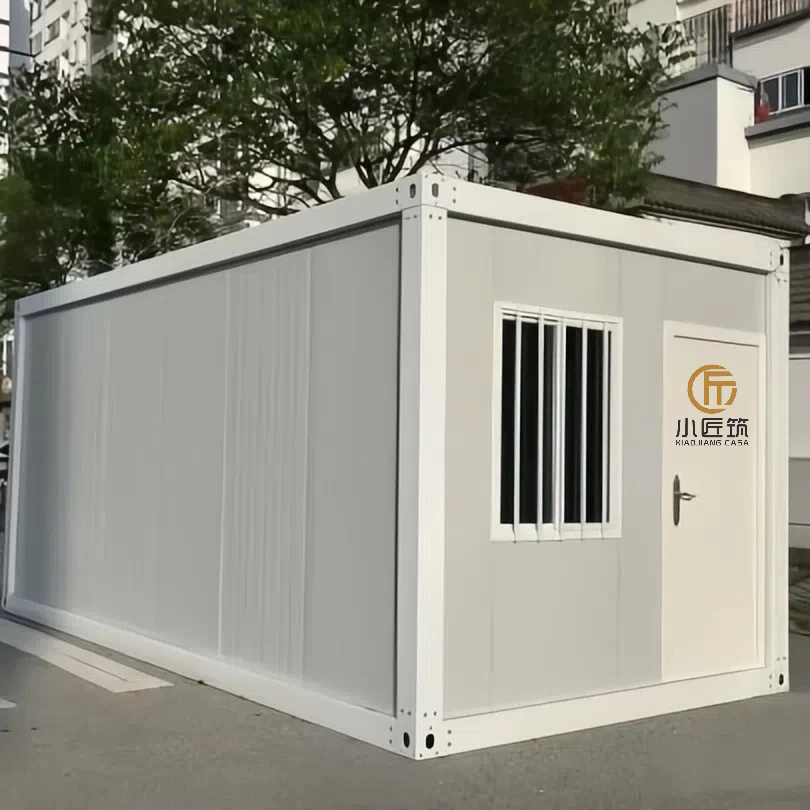
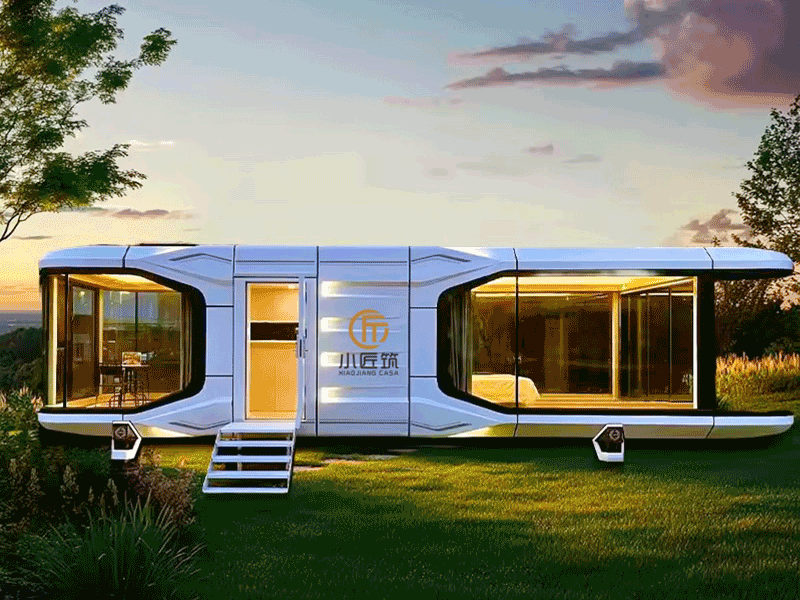
Energy-efficient prefabricated houses are homes designed and constructed to minimize energy consumption, leveraging the precision of factory production to optimize insulation, air tightness, and system efficiency. These houses start with thoughtful design: orientation to maximize natural light and solar gain, strategic window placement for cross-ventilation, and compact footprints that reduce heat loss. The factory construction process ensures tight seals around windows, doors, and module joints, eliminating air leaks that waste energy. High-performance insulation is a key feature, with materials like spray foam, rigid foam boards, or cellulose installed in walls, ceilings, and floors to create a continuous thermal barrier. Energy-efficient windows and doors with low-emissivity glass and insulated frames further reduce heat transfer. Heating, cooling, and hot water systems are selected for efficiency, such as heat pumps, solar water heaters, or high-efficiency furnaces, often paired with smart thermostats that optimize usage. Lighting and appliances are Energy Star certified, minimizing electricity use. Many energy-efficient prefabricated houses also integrate renewable energy sources, such as solar panels, to generate on-site power, reducing reliance on the grid. These features result in significantly lower utility bills compared to traditional homes, with some models achieving net-zero energy consumption. Beyond cost savings, these homes reduce environmental impact by lowering carbon emissions, making them a sustainable choice for eco-conscious homeowners. Energy-efficient prefabricated houses prove that factory construction can deliver superior energy performance, combining efficiency with comfort and affordability.
24
Apr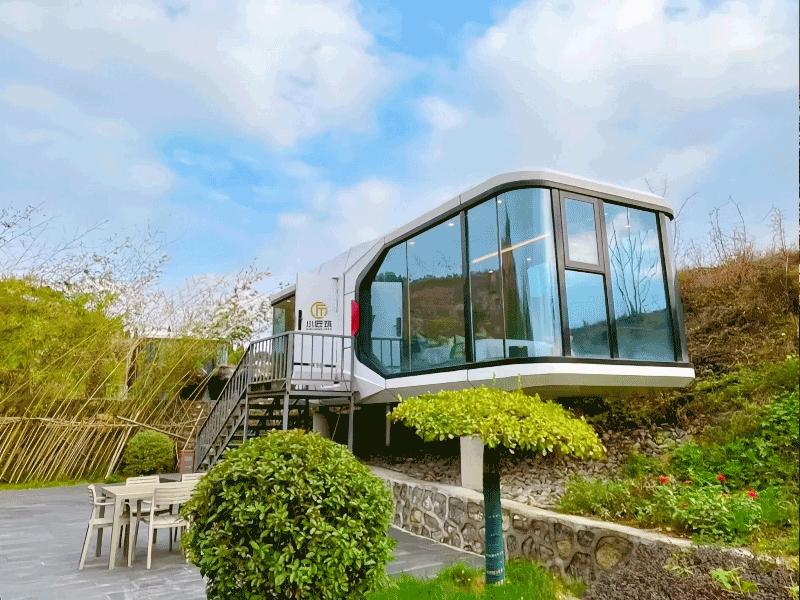
24
Apr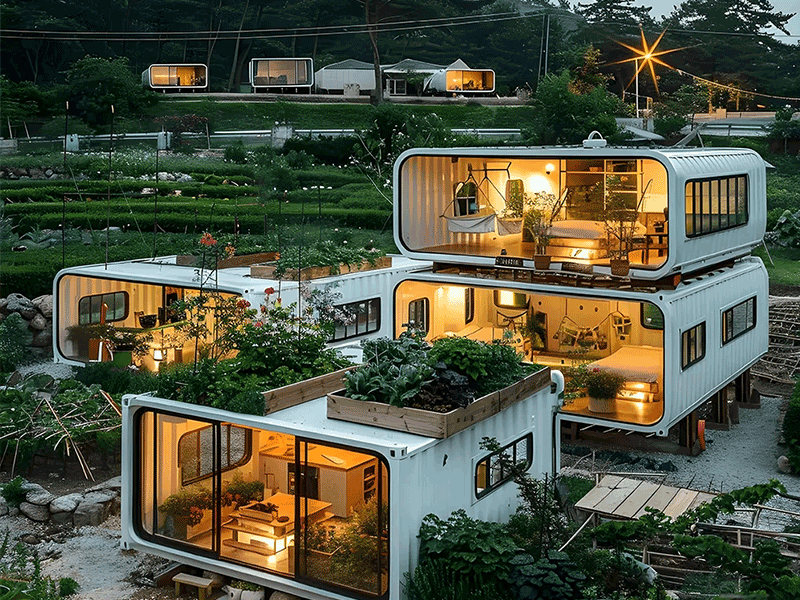
24
Apr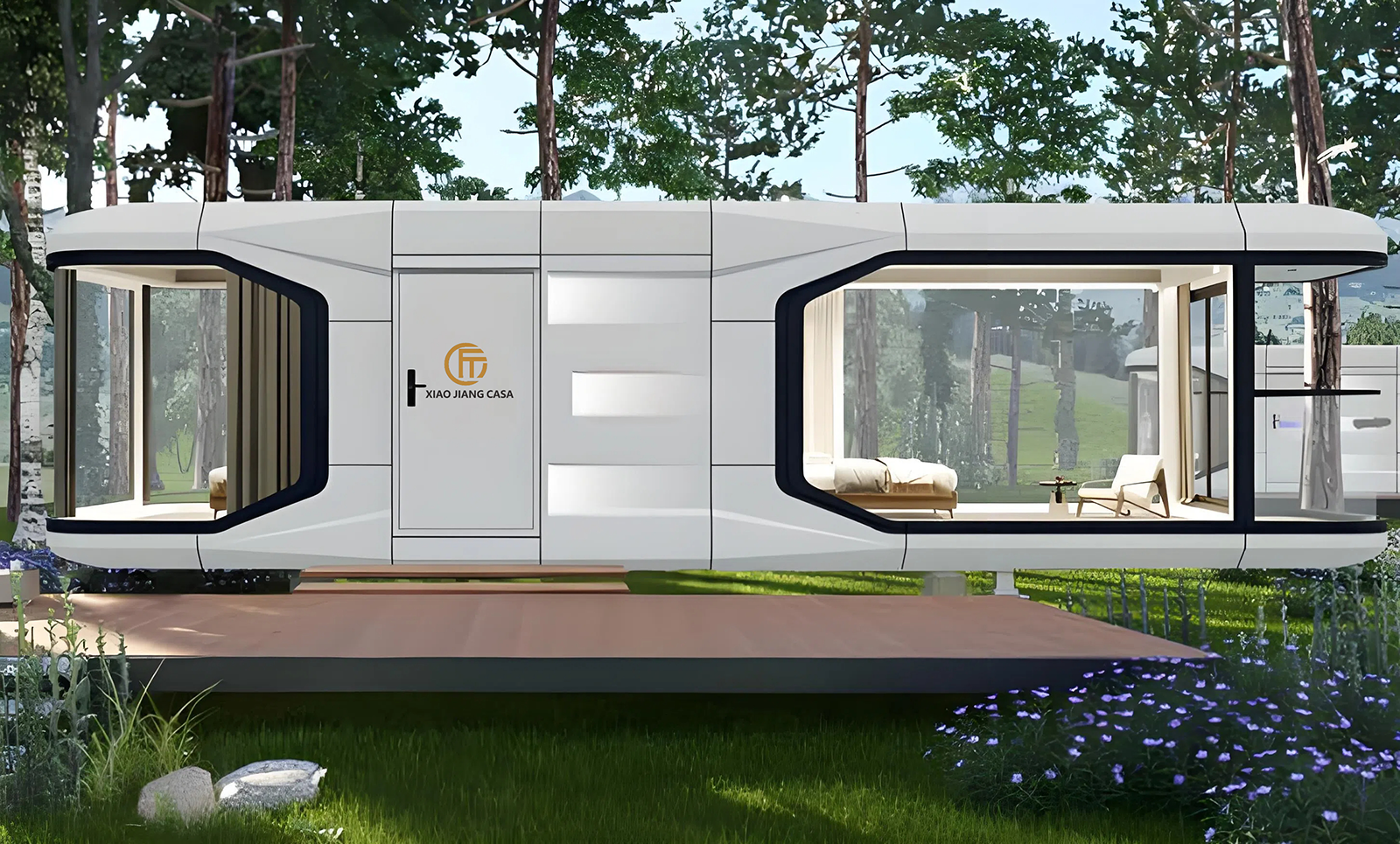
25
Apr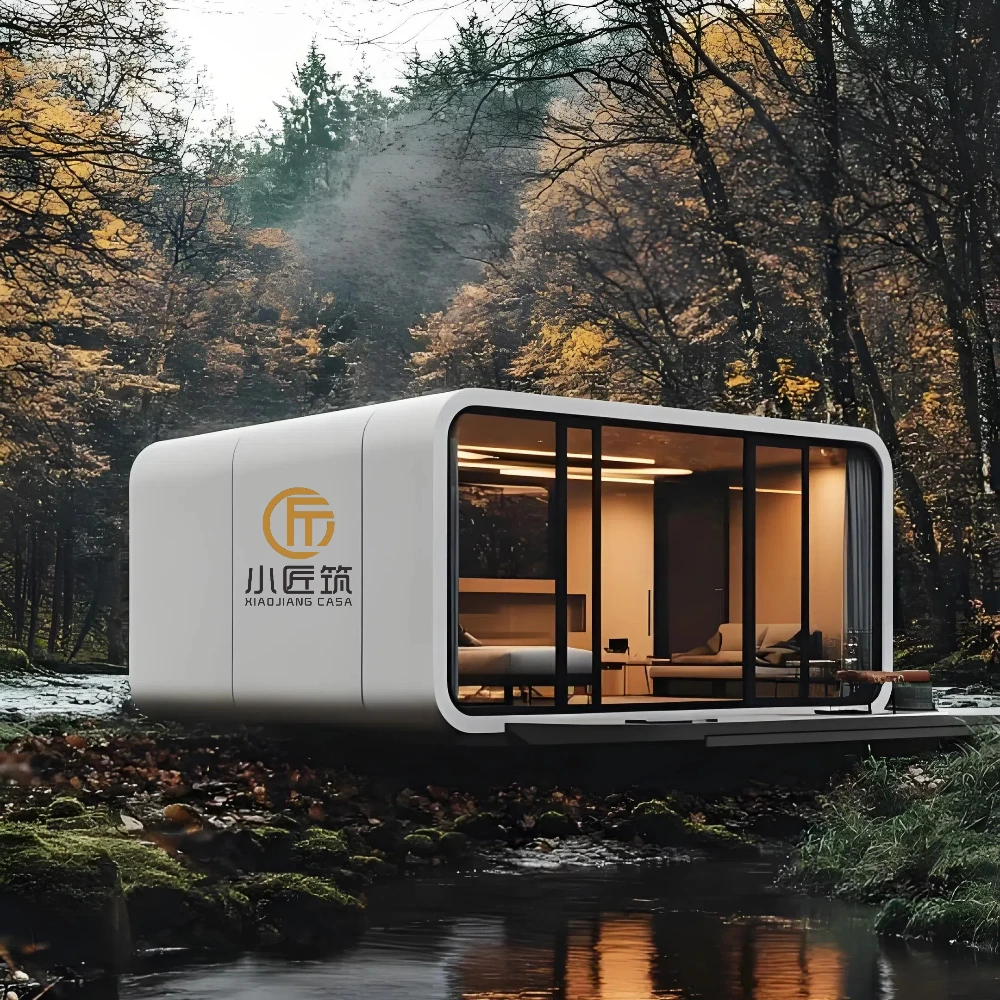
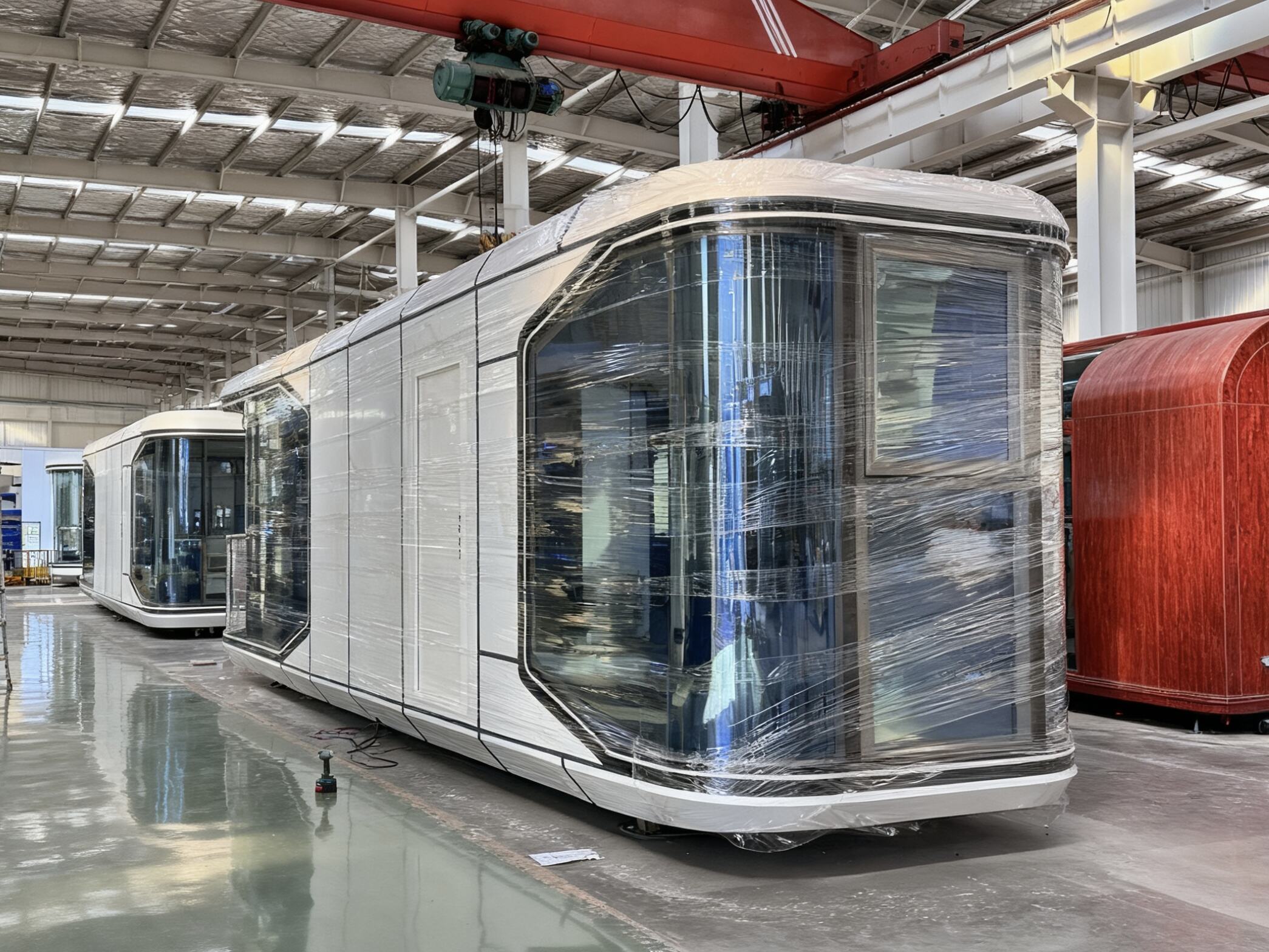
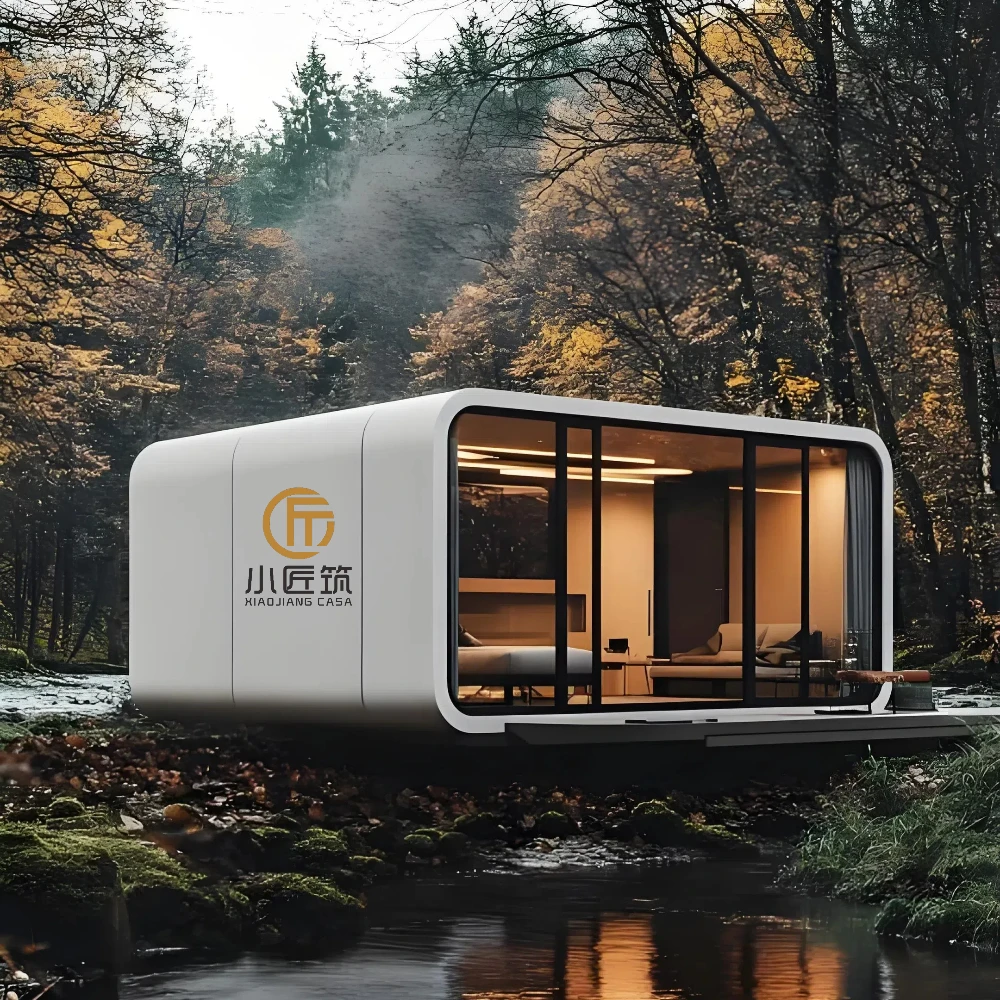
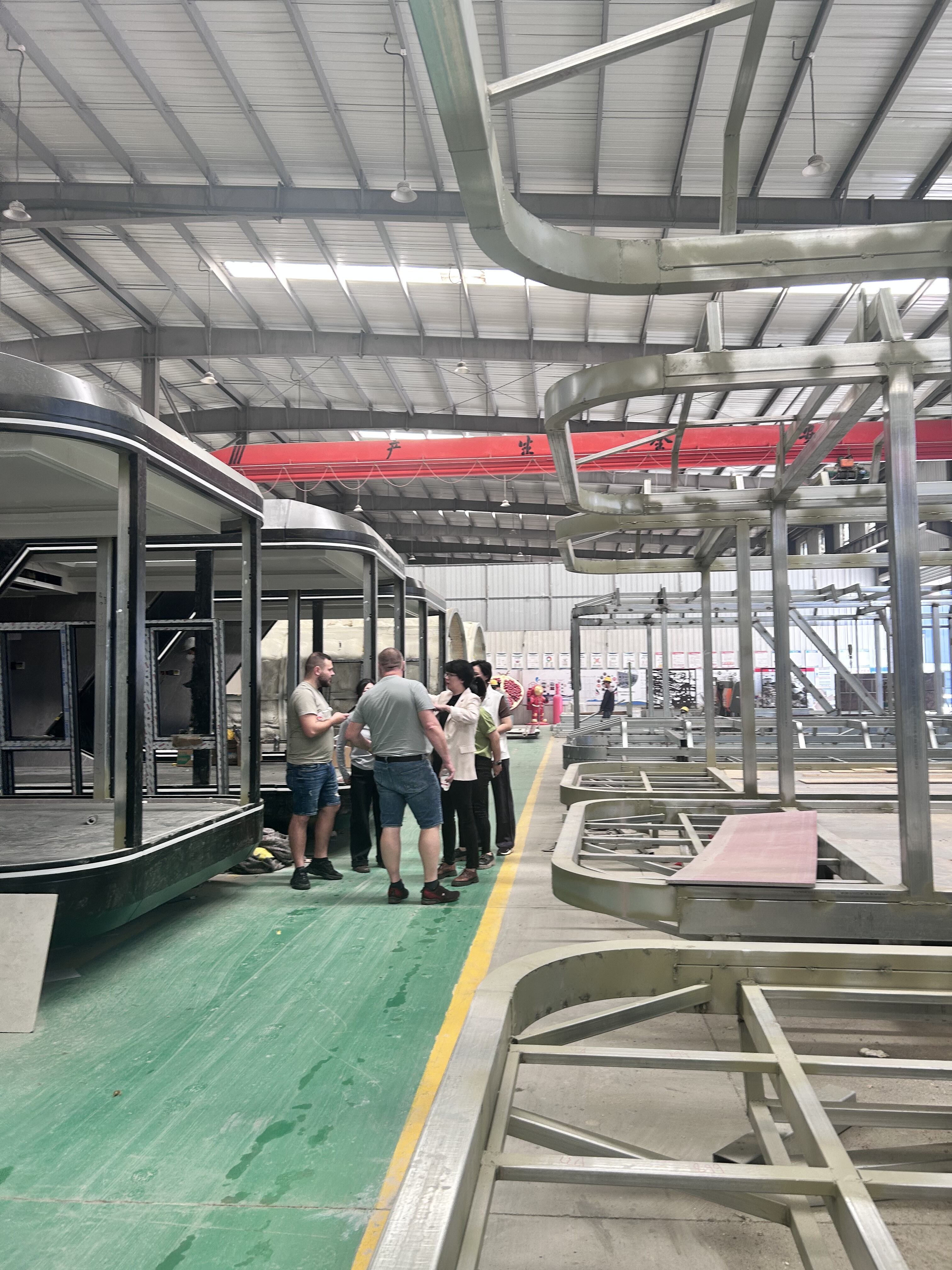
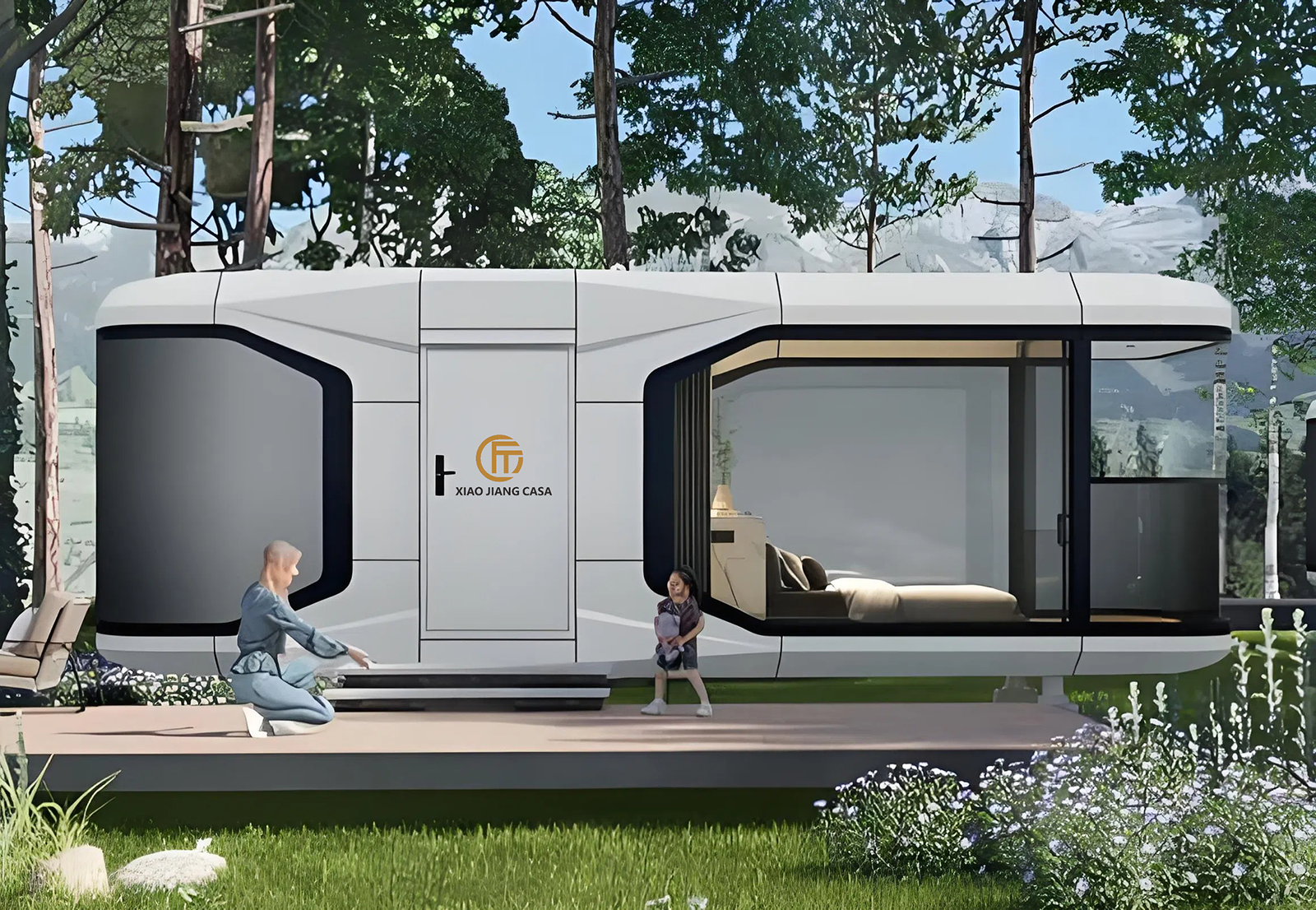
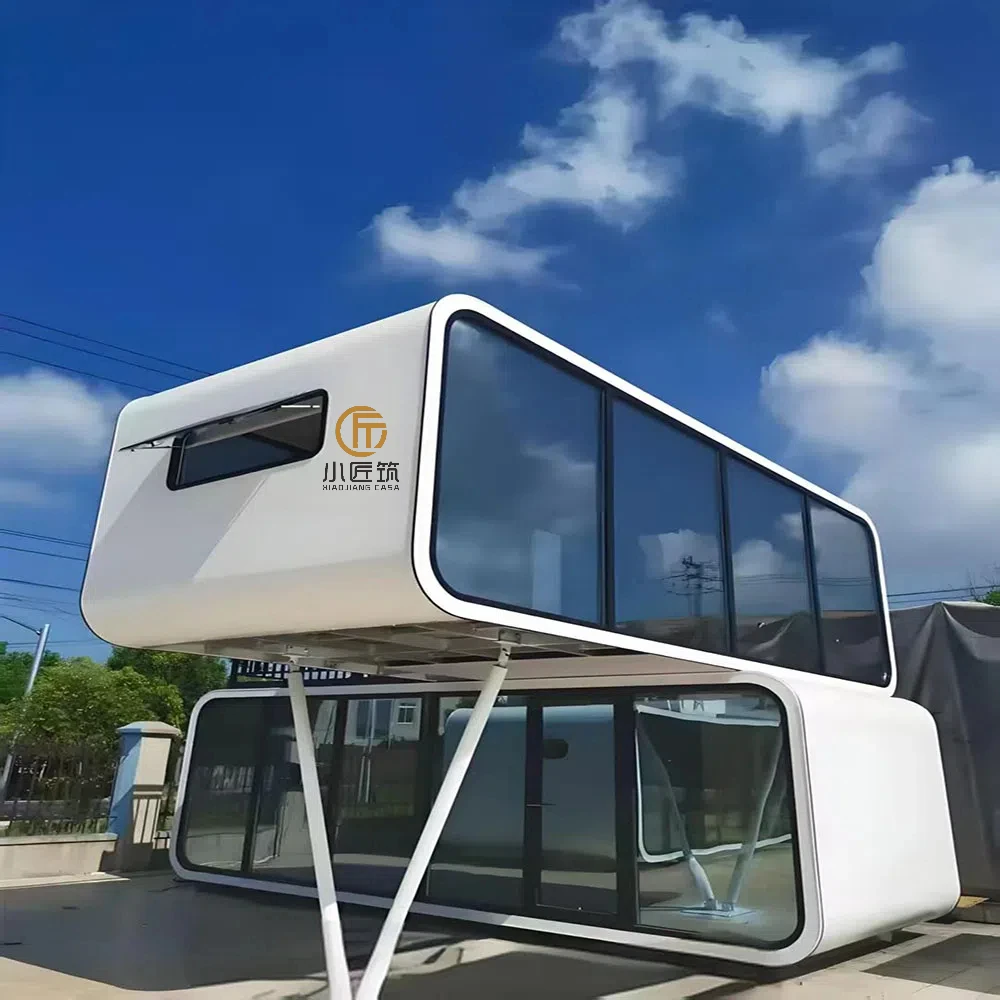
Xiaojiangcasa has a professional design and production team. The technical team strictly controls the product from research and development to implementation, insisting on starting from a professional perspective, innovatively developing future cabin products that are both aesthetically pleasing and practical, and implementing this concept in their work。