EN
EN


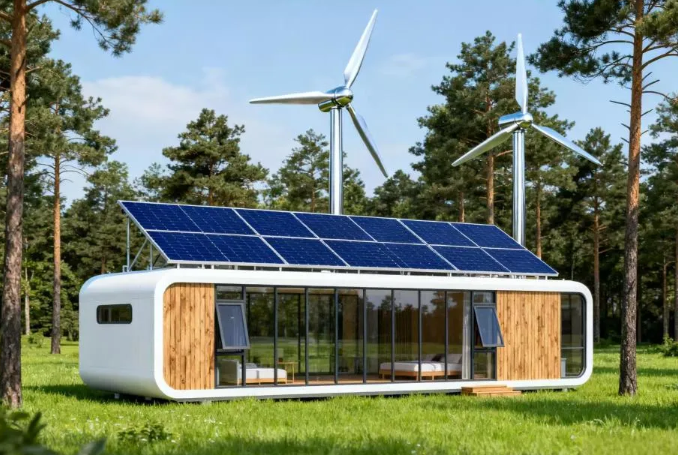
Affordable Housing for First-Time Buyers and Retirees
Mobile homes offer a financially viable pathway to homeownership for first-time buyers and retirees navigating budget constraints.
Entry-Level Homeownership: Lower Upfront Costs and Faster Move-In
Mobile homes typically cost about half to three quarters less than regular houses built on site, which makes them much more affordable at first glance. Most people can get started with down payments under five grand, while traditional home purchases usually require fifty thousand dollars or more as a deposit. This difference helps many qualify for financing options like FHA Title I loans much quicker. Since these homes are made in factories rather than constructed on location, families can move in within eight to twelve weeks instead of waiting six months or longer for new construction. Getting into a permanent place this fast means homeowners don't have to keep paying rent month after month while waiting for their dream home to be completed.
Retirement Living: Predictable Expenses, Low-Maintenance Design, and Community Amenities
Many retirees find manufactured home communities attractive because they offer predictable monthly costs. Most lot leases already cover things like yard work, trash pickup, and road repairs. The single story designs make getting around much easier for older folks, and those new homes with vinyl exteriors and metal roofs really save money over time. According to that AARP report from last year, maintenance costs drop around 30% compared to traditional housing options. These purpose built 55 plus parks come loaded with amenities too. Clubhouses for gatherings, heated pools during colder months, basic workout equipment, even shuttle services that take residents to doctor appointments. All these features help seniors stay independent longer while still feeling connected to their neighbors.
Mobile Home as Permanent or Temporary Residence
Temporary Use Cases: Relocation Support, Construction Interim Housing, and Career Transitions
Mobile homes make great temporary housing when life throws curveballs. When someone gets transferred for work or has to move because of military service, these homes can be ready to live in right away with almost no hassle setting them up. People building new houses or doing big renovations often find mobile homes handy too since they avoid spending weeks in hotels while waiting for projects to finish. The fact that they can be moved around makes them perfect for folks with changing careers like contractors or students who need somewhere affordable while they're studying but don't want to commit long term. All told, this kind of flexible housing fills gaps without making people sacrifice their standard of living. According to HUD data from 2023, costs run anywhere from 40 to 60 percent below what most people pay for regular apartments.
Permanent Living: Compliance, Zoning, and Long-Term Viability in Regulated Communities
Modern mobile homes built after 1976 meet HUD's Federal Manufactured Home Construction and Safety Standards—a critical benchmark for permanent residence. Key factors supporting long-term viability include:
- Zoning compliance: 80% of U.S. counties permit manufactured homes on private land when installed with engineered foundation systems
- Community regulation: Licensed manufactured home communities provide reliable water, sewage, and electrical infrastructure while enforcing consistent maintenance standards
- Appreciation potential: In well-regulated communities with proper installation, mobile homes appreciate at rates comparable to site-built homes
Permanent placement requires anchoring systems and utility hookups that comply with local building codes. Contrary to outdated perceptions, 62% of mobile home owners reside in their units for 10 years or more (U.S. Census Bureau 2024), affirming their role as stable, affordable, and sustainable housing when correctly sited and maintained.
Flexible Placement Options for Mobile Home Owners
Private Land Installation: Zoning, Utility Hookups, and Permitting Essentials
Putting up a mobile home on someone's land means getting familiar with what the local rules say about where these homes can go since every town has different regulations. Some places just don't permit them at all while others let folks set one up if they meet certain conditions like having enough space around the house. Hooking up basic services like water, sewer, and power usually runs anywhere from three grand to eight thousand bucks, though prices jump around based on how close the property is to existing lines. Getting permits takes work too. Most areas want to see official blueprints and engineering reports before saying yes, and this process often drags on for four to eight weeks. Preparing the actual site matters a lot too. The ground needs proper grading, leveling done right, and solid anchoring so nothing shifts later on. For folks in country areas wanting total independence from city utilities, installing a septic tank and drilling a well adds another ten to twenty thousand dollars upfront but gives complete freedom from grid dependencies, although remember those systems need regular checks and maintenance down the road.
Leased Plots and Manufactured Home Communities: Cost Structure and Lifestyle Benefits
In manufactured home communities, people typically rent land spaces ranging from around $200 to $800 each month. Most of these fees take care of basic necessities like water service, garbage pickup, plus access to communal areas such as swimming pools, clubhouses, and playground facilities. The whole system takes away those nasty surprises when utility bills jump unexpectedly, and it also means someone else handles regular maintenance tasks including mowing lawns and clearing snow off driveways. For many residents, particularly older adults and families looking for something stable, this setup creates ready made friendships within the neighborhood while providing an extra layer of safety. Recent studies on housing costs in 2023 showed that renting land instead of buying property outright can cut overall living expenses anywhere between 30% to almost half what traditional home ownership would cost, all while still enjoying plenty of living space, comfort levels comparable to regular houses, and staying connected within active communities.
Emerging Niche Applications of the Mobile Home
Beyond residential use, mobile home design is evolving to meet specialized modern demands. Remote workers increasingly adopt these structures as customizable, mobile offices—blending professional functionality with lifestyle flexibility and scenic settings. Their rapid deployment also supports temporary business expansions in underserved or seasonal markets.
Digital Nomad Retreats and Remote-Work-Friendly Mobile Home Rentals
High speed internet connections combined with compact work-friendly spaces and noise reducing interior designs are turning these units into real productivity powerhouses. According to Pew Research from last year, around 17 percent of people working remotely have started looking at alternative living arrangements. The rental market has caught on fast, offering month to month agreements, separate areas for focused work, plus regular meetups where freelancers can connect face to face. These features help tech workers stay productive wherever they roam while still feeling part of something bigger than just their laptop screen.
Rural Entrepreneurship and Micro-Business Spaces (e.g., Studios, Clinics, Pop-Up Retail)
Zoning reforms across many states now recognize mobile structures as legitimate commercial assets—lowering entry barriers for rural entrepreneurs. These units are being deployed as:
- Artisan studios with gallery-style frontage and studio lighting
- Telehealth clinics serving medically underserved areas
- Seasonal retail kiosks with low overhead and easy repositioning
By combining affordability, speed-to-market, and regulatory adaptability, mobile homes are expanding beyond shelter into tools for economic participation and community resilience.