EN
EN


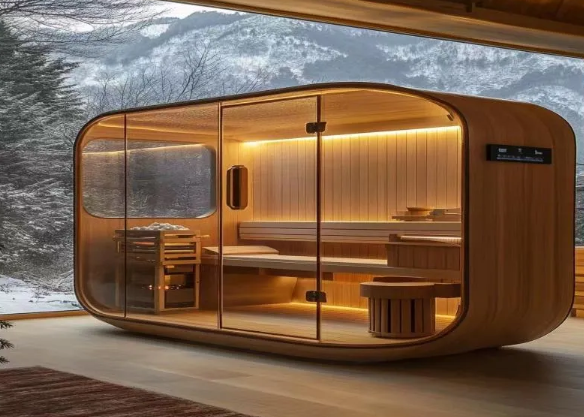
Structural Timber: Engineered Strength and Sustainability in Cabin House1119
Engineered Wood Systems for Superior Load-Bearing Performance
Today's cabin builders are turning more and more to engineered wood systems, especially cross laminated timber (CLT) and glued laminated timber (glulam), because they offer outstanding structural strength. The way these materials are built layer upon layer gives them strength to weight ratios around 20 percent better than concrete. Plus they don't warp easily and handle earthquakes pretty well too. What really stands out is how they allow for those big open spaces inside cabins since the beams can span much further without needing support columns every few feet. When working with prefabricated CLT and glulam parts, crews can put together structures up to 30% faster compared to traditional framing methods. This cuts down both labor hours and all that wasted material lying around construction sites. For architects wanting to create interesting designs while still making sure buildings last decades, these engineered woods provide that balance between creative freedom and lasting quality.
Nordic Spruce and Douglas Fir: Sustainably Sourced, Premium-Grade Timber for Cabin House1119
When it comes to building high performance cabin frameworks, Nordic Spruce and Douglas Fir stand out as top choices. These woods come from responsibly managed forests certified by the Forest Stewardship Council (FSC), where new growth actually outpaces what gets cut down. The trees themselves do something pretty amazing during their lifetime too, locking away around 1.1 metric tons of carbon dioxide for every cubic meter of wood produced. What makes them special is their tightly packed grain pattern which naturally resists water getting in and prevents warping when temperatures change throughout the seasons. We're talking about wood that weighs over 550 kilograms per cubic meter, so it can handle serious weight without breaking down. This means structures built with these species last decades longer than many alternatives, especially in tough environments like mountain slopes or seaside locations. And here's another big plus: compared to structural steel, these woods need only about 1/15th of the energy to produce while still standing up to the same kind of stress in key support areas.
Thermal Envelope: Insulation and Airtightness for Passive-House Efficiency in Cabin House1119
Mineral Wool–Cellulose Blends for Humidity-Resilient, High-R-Value Walls
When mixed together, mineral wool and cellulose insulation offer something special. The mineral wool brings its fire resistance and noise reduction properties, while the recycled cellulose adds its ability to handle moisture and has a much lower carbon footprint. These combinations typically reach R-values over R-30 for just 6 inches thick, which is actually about double what standard fiberglass batts manage. Plus, they keep walls dry from the inside out by managing that tricky interstitial moisture problem. Compared to those closed cell foams, these materials let buildings breathe properly, so condensation doesn't build up behind walls. They stay effective for years and years, even when humidity levels go crazy in certain climates. What makes them stand out? The fact that they're made from plants means no nasty VOCs floating around indoors. So homeowners get good air quality plus all the warmth benefits without any compromises.
Tape-Sealed OSB Sheathing and Adaptive Vapor Control Layers
Getting good airtightness means using continuous OSB sheathing sealed with tape all around, creating an air barrier that stops heat loss right at those tricky joints and seams where problems usually happen. When combined with vapor control membranes that can adapt over time, the whole system works smartly changing how much moisture passes through. These membranes block excess humidity from getting inside during our hot summer months but let the walls breathe properly when winter comes and things get cold and dry outside. Tests done on actual buildings show this method keeps air leakage under 0.6 ACH50 most of the time, which cuts down both heating bills and AC usage by roughly 40% compared to regular cabin construction methods. For long term durability, special acrylic sealants are used that actually repair themselves as wood expands and contracts with temperature changes throughout the seasons.
Exterior Protection: Weather-Resistant, Aesthetic Cladding and Roofing for Cabin House1119
Thermally Modified Ash and Shou Sugi Ban Cedar for Long-Lasting Facades
When it comes to building durable cabins that require minimal upkeep, thermally modified ash and Shou Sugi Ban cedar stand out as excellent choices. Let's start with thermally modified ash wood. This process involves heating the wood between 180 to 230 degrees Celsius inside special kilns where there's very little oxygen. The intense heat changes how the wood cells behave, making them much more stable when exposed to different weather conditions. Moisture absorption drops by around half compared to regular wood, and it becomes significantly more resistant to rot without needing any chemicals added during processing. On the other hand, Shou Sugi Ban cedar uses an ancient Japanese method where the wood gets charred on purpose. What happens is pretty cool actually - this controlled burning forms a protective layer across the surface that naturally shields against sun damage, bugs, mold growth, and even fire spreading. These materials are great because they basically take care of themselves once installed. No need for constant painting, sealing, or applying stains like traditional woods would require. Plus, both options develop beautiful color variations and textures as they age, giving each cabin a unique character over time.
| Feature | Thermally Modified Ash | Shou Sugi Ban Cedar |
|---|---|---|
| Primary Benefit | Enhanced dimensional stability | Natural fire/UV resistance |
| Maintenance | Low (no staining/sealing required) | Low (self-protecting charred layer) |
| Lifespan | 30+ years* | 50+ years* |
*Based on accelerated aging tests from independent timber durability studies
Foundations & Substructures: Low-Impact, Site-Adaptive Support Systems for Cabin House1119
Foundations for cabin house1119 balance environmental concerns with solid construction quality. Helical piers these twisted steel posts driven far below where the ground freezes give instant support without digging holes, disturbing soil much, and stay aligned really well too (field tests show less than 1.5 mm movement after a decade). Another option worth considering is gravel permeable pads. These let water drain naturally through them and cut down on installation expenses compared to regular concrete slabs by around 40 to 60 percent. When dealing with slopes, areas prone to flooding, or places where nature needs protecting, modular steel pier systems work great because they install quickly and can be removed later if needed, keeping roots intact and preserving valuable topsoil. All foundation types include vapor barriers under floors to stop damp earth from ruining insulation effectiveness. Moisture problems can slash insulation value by up to 30% according to Building Science Corporation research from last year. While each site requires its own evaluation, what matters most across all approaches is creating durable structures while respecting our planet's resources.