EN
EN



Intelligent MEP Integration in Modern Modular House Systems
MEP integration forms the foundation for building high performance modular homes where all systems work together right from the start. Manufacturers build these components at factories away from construction sites using detailed digital blueprints. This allows better planning for things like electrical wiring, water pipes, and air conditioning ducts so they don't interfere with each other. When modules arrive on site, they come already connected and assembled, which cuts down installation time significantly compared to traditional methods. The standardized connections between parts mean fewer problems during setup and less need for fixing mistakes later. Top companies actually test how everything fits together in computer simulations first. They check if pipes run where they should, wires are properly placed, and vents aren't blocked. This careful planning helps maintain good insulation and prevents energy loss through gaps or leaks in the walls.
Coordinated Prefabrication of Electrical, Plumbing, and HVAC for Seamless On-Site Integration
In modern construction practices, electrical work, plumbing lines, and heating/cooling systems get built at the same time inside factory settings where everything stays dry and organized. Technicians put together ready-made electrical boxes, already connected water pipes, and small HVAC components into building blocks that fit together like puzzle pieces. Before shipping, these parts go through rigorous testing with special lasers that check how well they align, usually getting within about a millimeter of perfect fit. When these component kits arrive on site, workers can install them much quicker than traditional methods would allow, often finishing jobs in just a few hours instead of taking days. This saves money because projects aren't held up by rain or snow delays, and builders waste around thirty percent less materials overall. Take ductwork for instance it comes insulated from the factory and carefully positioned so it doesn't bump into beams or walls, which means quieter operation and better efficiency. Homeowners benefit from being able to move in sooner and spending less over time fixing things that break down.
Functional Validation and Pressure Testing to Guarantee System Reliability
Each MEP module gets thoroughly checked at the factory through various tests. For plumbing parts, we run hydrostatic pressure checks while electrical components go through load simulations. Our techs actually stress test everything beyond normal levels, sometimes pushing systems to 150% capacity to find weak spots in connections, sealing points, or breaker panels. When it comes to HVAC units, we make sure air flows properly throughout every zone and maintain consistent temperatures. The sensors can spot even tiny variations down to about 2%. By catching problems early, we manage to prevent around 9 out of 10 issues from ever reaching customers, which saves money on expensive fixes later. All the test results get stored digitally so our maintenance teams can monitor performance over time and predict when something might need attention. This means buildings stay comfortable and safe, and most clients end up with warranty coverage better than what's standard in the industry.
Digital Engineering Excellence for Modular House Quality Assurance
BIM-Driven Clash Detection and Real-Time Fabrication Feedback in Modular House Production
Building Information Modeling, or BIM as it's commonly called, is changing how we check quality in construction projects. Before any actual building happens, engineers create digital versions of modular homes where they can spot problems early on. When looking at these virtual models, workers find issues where electrical wires might cross paths with pipes or interfere with heating ducts. Studies show this approach cuts down on those annoying installation conflicts by about 40% when putting everything together later. Factories now embed sensors into their machines too. These little gadgets send updates about how good the welds are and whether materials fit within acceptable ranges, so adjustments can happen right away instead of waiting until something breaks. On site, production crews carry around tablets loaded with constantly updated 3D blueprints. They check these against what's being built to make sure every part matches specs exactly. The whole process works like a circle where information flows back and forth continuously. Not only does this save money by avoiding expensive mistakes, but it also makes sure all the different sections of a home connect properly and stand up well over time.
Tolerance Control and Dimensional Accuracy Across Offsite Assembly Lines
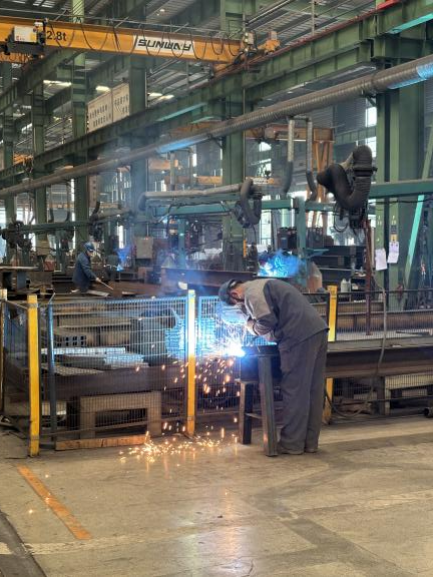
When it comes to building modular homes, precision engineering makes sure everything fits together right when it's time for assembly on site. The computer guided milling machines keep things spot on, staying within about 1.5 mm accuracy across all parts of the structure something regular builders can't really match. We use laser alignment systems to check dimensions at around 15 different spots throughout manufacturing. And there's this automated system that calibrates how modules connect to each other so they fit seamlessly. All these strict quality checks stop problems like warping from weather changes and get rid of those annoying gaps between connections. This attention to detail actually helps make the finished houses more energy efficient and lasts longer too. Contractors report needing about 30 percent fewer adjustments once everything arrives onsite, which obviously speeds up construction schedules quite a bit.
Energy and Adaptive Intelligence Embedded in Modular House Design
Smart Home Systems and Occupancy-Aware Automation for Intelligent Living
Smart AI systems are turning modular homes into living spaces that actually respond to how people live. These systems watch what residents do day after day, learning their habits so they can cut down on wasted energy. Lights turn on when someone walks into a room, thermostats adjust according to who's home, and security features activate only when needed. This kind of smart sensing cuts energy bills by around 30 percent compared to older methods. The technology also spots problems in heating systems or wiring long before anything breaks down completely. Homeowners can control everything from their phones or voice commands while the system manages resources efficiently in the background. Best part? It all works quietly without making life any less comfortable.
Renewable-Integrated Heating Solutions: Solar Water and Electric Underfloor as Core Intelligence Features
Many modern modular homes now include solar thermal systems along with electric underfloor heating as their main green features, which can cut reliance on fossil fuels somewhere between 40 to 60 percent according to recent studies. The roof is typically fitted with solar collectors that warm up household water before it reaches the taps, while special low voltage grids beneath floors spread heat throughout living spaces using conductive materials. Smart thermostats are built into these systems too, so they only turn on heating in areas where people actually spend time, keeping everyone comfortable while saving around 20% on running costs compared to traditional methods. Some designs also incorporate closed loop storage solutions that capture extra solar energy in special phase change materials, making sure there's still plenty of power available even when the sun isn't shining much.