EN
EN


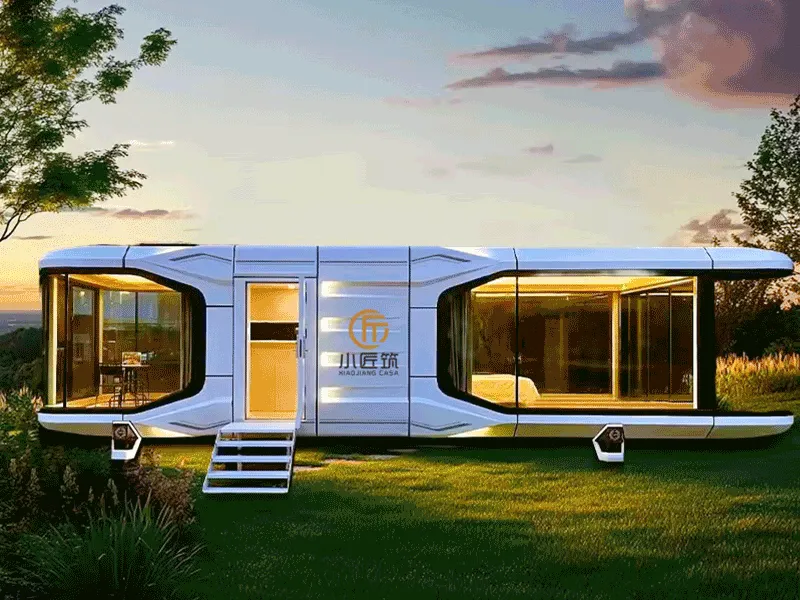
Luxury and Comfort in Tiny Home Glamping Design
Defining Luxury in the Context of Tiny Home Glamping
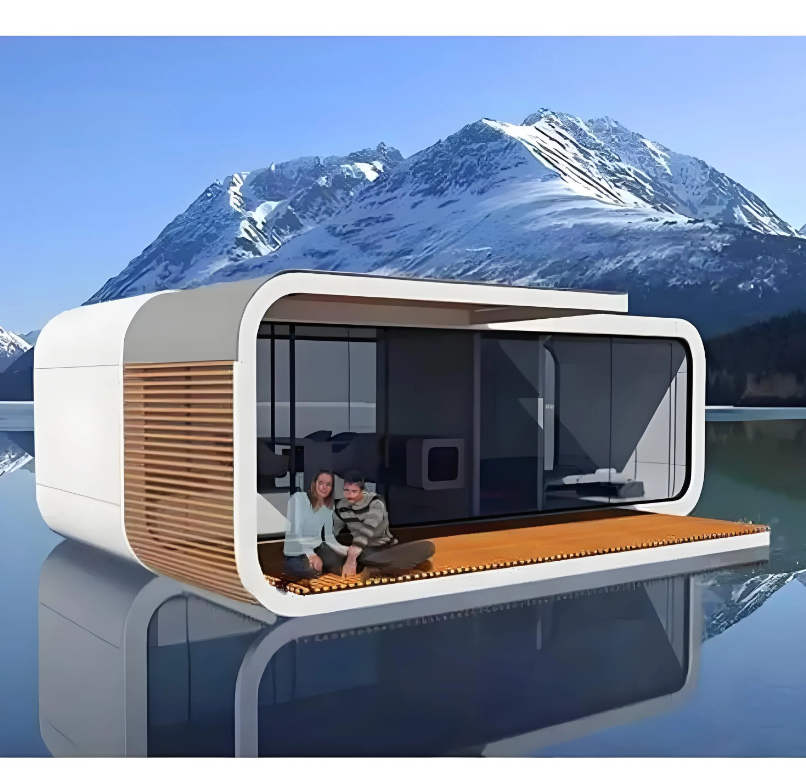
When it comes to luxury in tiny home glamping, space isn't what matters most these days. People are looking for smart design solutions instead. A recent study from Glamping Insights found that around two thirds of campers actually care more about good craftsmanship, private areas, and special touches than how big their accommodation is. Tiny homes now come equipped with things like carefully selected lights, warm floors underfoot, and natural bath stuff that makes them feel really upscale despite their small footprint. These little spaces have become something called micro-luxury spots where folks get both comfort and a sense of purpose built right into every corner.
Premium Finishes and Their Impact on Guest Experience
When properties invest in quality materials, guests notice and are willing to pay more for their stay. Take quartz countertops and reclaimed teak floors for instance. According to that recent Hospitality Trends Report from 2023 looking at around 150 glamping spots, places with these features typically command about 23% higher nightly rates. Beyond just looks, smart additions like soundproof walls and energy efficient windows really boost comfort levels without making the space feel too modern or out of place. These upgrades strike just the right balance between keeping that cozy rustic vibe while still offering all the comforts one would expect from a luxury accommodation.
Smart Layout Choices That Enhance Comfort Without Sacrificing Space
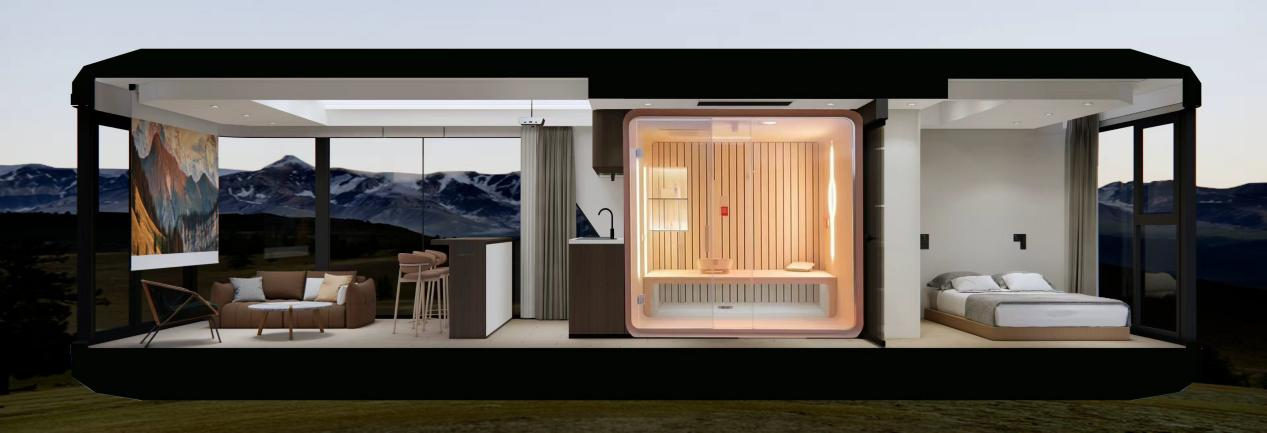
Getting the most out of small spaces starts with clever layout choices. Many tiny homes now feature L-shaped kitchens alongside modular furniture arrangements that let different areas serve multiple purposes throughout the day. Take one particular 320 square foot model as an example it has sliding walls that can turn the main living space into a cozy bedroom when needed. Surprisingly enough, guests still rate their comfort level around 85%, according to Tiny Living Journal from last year. What makes these compact designs work so well is how they balance practical needs without sacrificing comfort factors that matter most to people living in them.
Trend Analysis: Rising Demand for Aesthetically Pleasing and Functional Tiny Homes
The luxury tiny home market is projected to grow 18% annually through 2025, fueled largely by younger travelers seeking Instagram-worthy, eco-conscious accommodations. To meet this demand, over 42% of glamping operators now emphasize dual-purpose furniture and artisanal décor (Global Glamping Index 2024), blending visual appeal with practical innovation.
Energy Efficiency and Weather Resilience in Tiny Home Construction
Insulation and ventilation strategies for year-round comfort
Keeping things at a comfortable temperature inside tiny homes really depends on good insulation work and managing air movement properly. When it comes down to it, spray foam beats regular fiberglass hands down in super cold conditions since it has an R-value of around 6.5 per inch compared to just 3.8 for fiberglass. For folks living where humidity is high, natural materials such as sheep's wool can be great too, offering decent insulation at about 4.0 per inch plus they wick away moisture which helps keep walls dry. Getting ventilation right matters a lot too. Installing proper roof vents or going for heat recovery systems stops condensation from forming inside walls, something experts in building science have been emphasizing since their latest studies came out in 2023 because this directly affects whether mold grows or not over time.
U-value comparisons across common tiny home insulation materials
| Material | U-Value (BTU/hr·ft²·°F) | Best For Climates |
|---|---|---|
| Closed-cell spray | 0.18 | Extreme cold (below -20°F) |
| Mineral wool | 0.30 | Fire-prone areas |
| Rigid EPS foam | 0.32 | Moderate seasonal shifts |
| Recycled denim | 0.40 | Sound-sensitive layouts |
Balancing off-grid performance with climate-specific limitations
Building in the Arctic means spending extra on triple glazing and better insulation for the foundation base, which typically adds around 18 to 22 percent to overall construction expenses according to recent tiny home energy reports from 2024. But these investments pay off big time since they reduce heating requirements by about forty percent. When constructing homes in desert regions, builders focus more on reflective roof materials and designing spaces that allow air to flow through naturally. Meanwhile down at the coastlines where saltwater is everywhere, contractors need to use special stainless steel hardware because regular bolts just don't stand up to all that moisture over time. For those going completely off grid, combining solar panels with some kind of backup like propane tanks works surprisingly well most of the time. These hybrid setups manage to keep power running roughly 97 out of every 100 days, even when harsh winter storms roll in and last for weeks on end.
Sustainable Materials and Eco-Conscious Building Practices
We're seeing a real move towards sustainable construction these days, and this isn't just about being environmentally responsible but also responding to what people actually want. Market research from Allied Market Research in 2023 suggests that the green building materials market could hit around $1.3 trillion by 2027. This growth comes from folks who care about their carbon footprint when traveling and governments offering various incentives for greener practices. Tiny homes constructed using ethically sourced materials cut down on overall emissions during their entire life cycle by approximately 45% compared to regular houses. This makes them a great fit for glamping operations which aim to blend in with the natural surroundings instead of disrupting them.
Why Sustainable Building Materials Matter in Tiny Home Development
Using sustainable materials cuts down on both deforestation and what ends up in landfills. Take a look at the numbers: according to Forest Stewardship Council data from 2023, a standard 500 square foot tiny home requires about 60 percent less wood compared to regular houses. Then there's the issue of indoor air quality when it comes to those low VOC finishes. Makes sense really, since people living in smaller spaces breathe the same air day after day. From an operator standpoint, going green isn't just good for the planet either. Booking.com reported back in 2024 that nearly seven out of ten travelers specifically want places that are environmentally friendly during their trips. That kind of preference definitely affects how businesses get perceived in today's market.
Top Eco-Friendly Materials Used in Modern Tiny Home Construction
- Cross-laminated timber (CLT): Delivers concrete-level strength with 75% lower embodied carbon
- Recycled steel roofing: Durable in harsh weather and diverts 8 million tons of scrap metal from landfills annually
- Hempcrete: Offers R-3.5 per inch insulation and naturally regulates humidity
- Recycled plastic composites: Ideal for decking and cladding due to superior moisture resistance
Durability and Weather Resistance of Recycled Composites in Outdoor Environments
These composite materials created from recycled plastics mixed with wood fibers can handle some seriously harsh conditions, staying intact even when temps dip down to -40 degrees Fahrenheit or soar up past 190 degrees without warping or developing cracks. In lab tests that speed up the aging process, they beat regular untreated wood by around three times over. The addition of UV stabilizers means these products won't fade away after being exposed to sunlight, which makes them ideal choices for those wanting to set up camp near beaches or high altitude spots where sun exposure is intense. And let's talk about maintenance requirements too they need way less upkeep than traditional wood options, cutting down on required care by almost all but 10%. This dramatic reduction in maintenance work becomes especially valuable when dealing with properties located far off the beaten path or in areas that are difficult to reach regularly.
Space Optimization Through Smart Tiny Home Design
Core Principles of Maximizing Functionality in Compact Spaces
The real secret to making tiny homes work so well lies in designing things that do multiple jobs at once. Think about it this way: almost everything inside needs to pull double duty somehow. Staircases often hide storage compartments underneath them, kitchen islands aren't just for cooking but also become extra seats when needed, and those raised beds in the ceiling area usually have plenty of room below for storing stuff too. According to recent surveys from Tiny Living in 2023, around three out of four tiny house residents actually care more about how efficiently they use their space than they do about having lots of square footage available.
Multifunctional Furniture and Foldable Solutions for Flexible Living
Wall-mounted tables, sofa beds with hidden compartments, and modular shelving systems dominate modern interiors. These features reduce clutter and enable flexible zoning for work, dining, and relaxation. The integration of foldable and retractable elements ensures adaptability without sacrificing style or usability.
| Solution Type | Space Saved | Average Cost Savings |
|---|---|---|
| Foldable Desks | 12–15 sq ft | $800–$1,200 |
| Murphy Beds | 18–22 sq ft | $1,500–$2,400 |
| Modular Shelving Units | 8–10 sq ft | $300–$600 |
Vertical Storage and Space-Saving Strategies in High-Traffic Areas
Maximizing vertical space through floor-to-ceiling cabinets, magnetic knife strips, and ceiling-mounted racks can boost storage capacity by 40%. Narrow pull-out pantries (10" deep) and under-stair wine storage demonstrate how overlooked areas become valuable assets. In compact kitchens and bathrooms, vertical thinking transforms constraints into opportunities.
Innovation Spotlight: Transformative Layouts in Popular Modern Tiny Homes
Cutting-edge designs now feature rotating wall panels that convert living rooms into offices and sliding kitchen counters that extend outdoor decks. These innovations respond directly to rising demand for homes adaptable to remote work and seasonal changes—all without increasing physical footprint.
Off-Grid Readiness: Solar Power, Composting Toilets, and Mobility
Integrating solar power for reliable off-grid energy in remote locations
Solar panel arrays generating 800–1,200 kWh annually support full off-grid operation, powering lighting, appliances, and climate control. Lithium-ion battery banks (10–15 kWh) store excess energy, while advanced charge controllers protect system integrity. Panels angled at 30°–45° optimize sun exposure year-round, a crucial adjustment for mountainous or cloud-heavy regions.
Benefits and maintenance of composting toilets in glamping settings
Composting toilets cut down on water usage dramatically, around 98% in fact, while turning waste into safe compost that doesn't smell bad thanks to natural breakdown processes. Maintenance isn't too complicated either. Most people just need to toss in some coconut coir or similar materials once a month, and then take out the finished compost about once a year. For those looking at sustainability options, these systems are becoming increasingly popular. According to recent data from the Eco Hospitality Report in 2023, nearly two thirds of luxury camping businesses aiming for LEED certification have made the switch to composting toilets as part of their green initiatives.
Sizing renewable systems based on occupancy and site conditions
| Factor | Solo Traveler | 4-Person Group |
|---|---|---|
| Solar Panel Capacity | 400W | 1.2kW |
| Battery Storage | 5kWh | 12kWh |
| Water Tank | 50 gallons | 150 gallons |
System sizing incorporates NOAA climate data: arid zones require 20% larger water reserves, while northern latitudes need 30% more solar capacity during winter months.
Portability and mobility features for flexible deployment
Lightweight aluminum frames and removable hitch systems allow 400 sq ft units to be relocated in under four hours. Retractable stabilizer jacks and foldable decks streamline setup on uneven terrain. Torsion axles rated for 7,000 lb payloads support frequent moves without compromising structural integrity.
Designing for indoor-outdoor connectivity to expand perceived space
When full height sliding glass doors open right into the backyard, they create this amazing connection between living spaces and outdoor decks that can expand usable area by around 40% during nice weather months. The same goes for those convertible walls that disappear when opened wide. Teak floors built to withstand weather changes run all the way through from dining areas straight out to barbecue stations, making it feel like one continuous space. And don't forget about those retractable awnings that pop out whenever it starts drizzling unexpectedly. According to recent industry research, most people who enjoy glamping want to feel immersed in nature but still want creature comforts too. About three quarters of them actually prefer designs that blend both elements together rather than keeping them separate.
FAQ
What defines luxury in tiny home glamping?
Luxury in tiny home glamping involves smart design solutions like good craftsmanship, private spaces, and special touches, rather than just space size.
How do premium finishes affect guest experiences?
Premium finishes like quartz countertops and reclaimed teak floors increase guest willingness to pay, adding around 23% to nightly rates.
What are the benefits of sustainable materials in tiny homes?
Sustainable materials reduce carbon footprint and emissions, using about 60% less wood compared to regular houses, and improve indoor air quality.
How does one achieve energy efficiency in tiny home construction?
Energy efficiency is achieved through proper insulation, ventilation strategies, and climate-specific building materials like closed-cell spray foam.
What role does multifunctional furniture play in space optimization?
Multifunctional furniture helps maximize limited space by serving multiple purposes, allowing effective use of each square foot.
Table of Contents
- Luxury and Comfort in Tiny Home Glamping Design
- Energy Efficiency and Weather Resilience in Tiny Home Construction
- Sustainable Materials and Eco-Conscious Building Practices
- Space Optimization Through Smart Tiny Home Design
-
Off-Grid Readiness: Solar Power, Composting Toilets, and Mobility
- Integrating solar power for reliable off-grid energy in remote locations
- Benefits and maintenance of composting toilets in glamping settings
- Sizing renewable systems based on occupancy and site conditions
- Portability and mobility features for flexible deployment
- Designing for indoor-outdoor connectivity to expand perceived space
- FAQ