EN
EN


The Rise of Capsule Homes in Urban Micro-Living Solutions
Understanding Urban Micro-Living and Compact Housing Trends
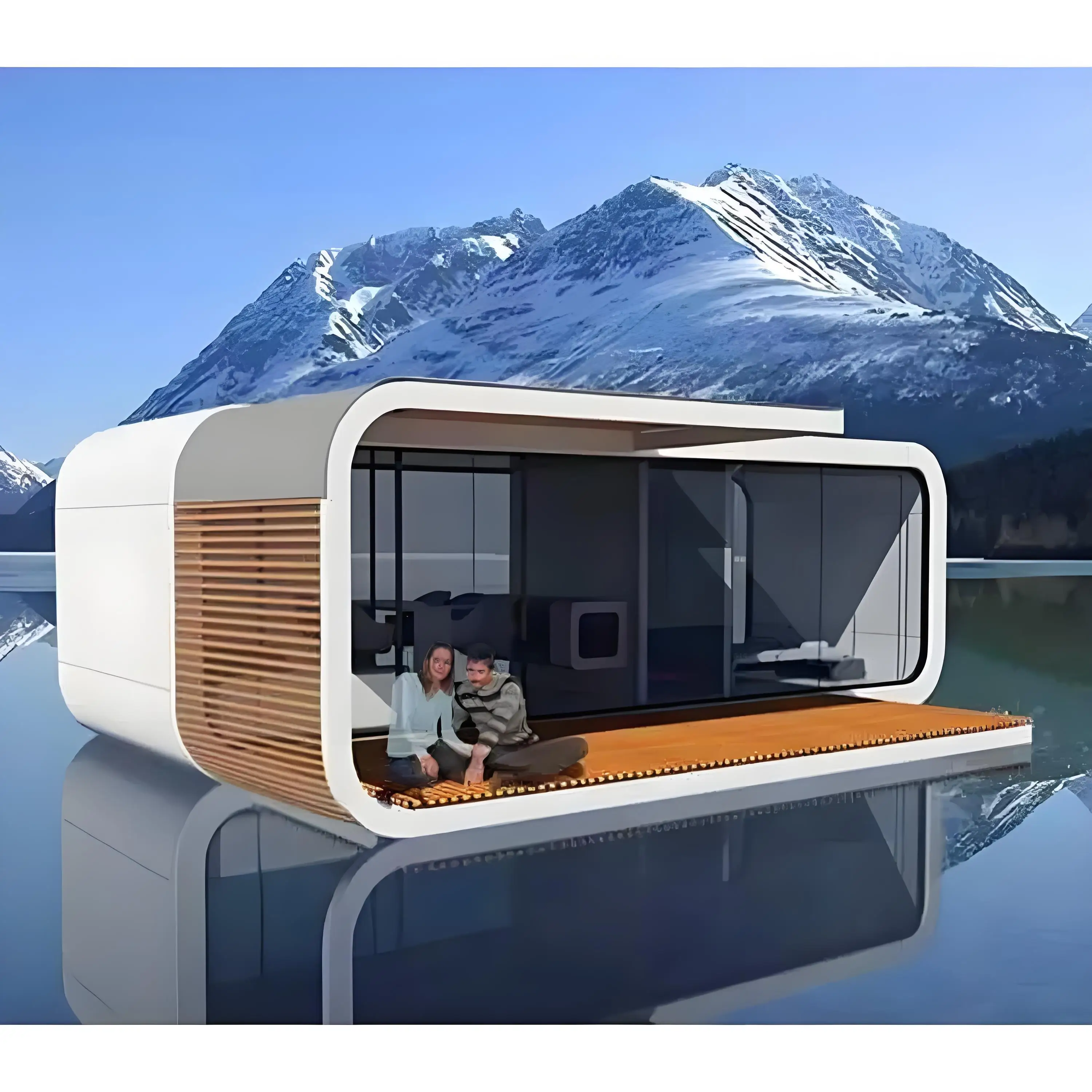
The number of people living in cities has gone up quite a bit since 2015, maybe around 23 percent or so, which means there's been a real push for housing that doesn't take up too much space. Capsule homes these tiny little places that are typically between 100 and 150 square feet have become popular solutions. They basically rethink what minimal living looks like by stacking things vertically and using furniture that does double duty. Many architects now incorporate flexible spaces into their designs, adding work areas that can be folded away and beds that tuck into walls to get the most out of limited square footage while still keeping things comfortable enough for daily life. Younger folks in cities especially seem to love this approach. According to some research from last year, roughly six out of ten millennials care more about where they live than how big their apartment is when picking somewhere in the city to call home.
How Capsule Homes Meet Unconventional Lodging Demand in Cities
Pod hotels in Tokyo and micro apartments across New York are just two examples where capsule homes cater to both tourists passing through and people settling down for good. The latest tech makes these tiny spaces work better than ever before. Smart thermostats adjust temperature automatically even when space is limited, and special wall panels help keep noise from neighbors at bay in those shared buildings. Some really creative developers have started turning old shopping centers into housing solutions too. Think about those empty stores nobody wants anymore getting converted into actual places where folks can live comfortably. Cities benefit because they get to reuse buildings that would otherwise sit empty, and renters save between 35 and 50 percent compared to what hotel bills typically run according to Hospitality Tech Review last year.
Data Insight: 68% Growth in Micro-Accommodations in Major Urban Centers (2020–2023)
Micro accommodation has seen explosive growth over the past three years, expanding by almost 70% from 2020 to 2023. Cities where real estate prices are through the roof have been quick adopters, especially places like San Francisco and Hong Kong. We also see these tiny living spaces popping up around transportation centers near major airports and train stations, plus on college campuses struggling to find budget-friendly options for students. Take Shinjuku Ward in Tokyo for example, where capsule hotels are reporting an impressive 92% occupancy rate. That's 19 points above what we typically see in regular apartments according to the Urban Housing Report 2023. Makes sense really when space is at such a premium in dense urban areas.
Design and Space Optimization in Capsule Home Hospitality
Core Principles of Capsule Home Design for Urban Resorts
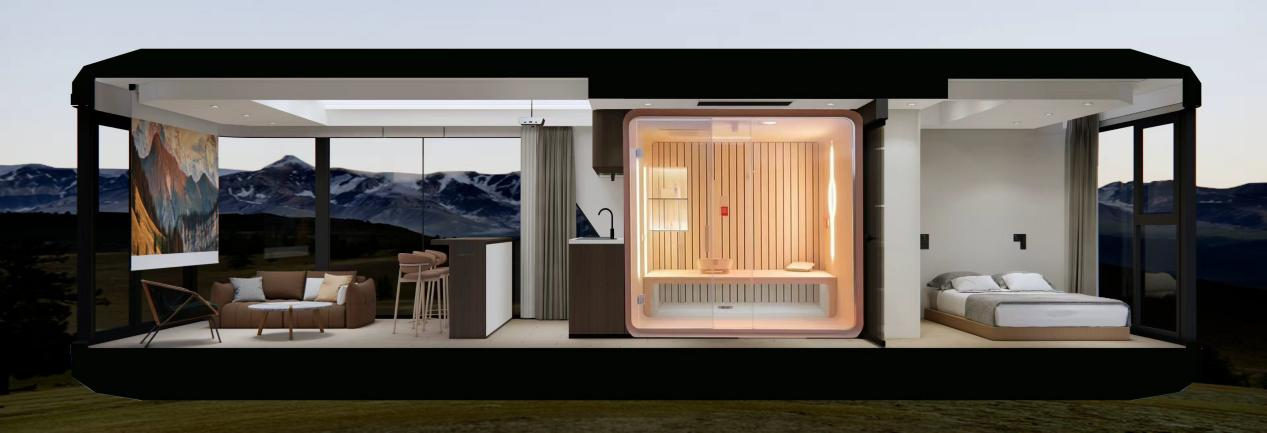
The capsule home concept makes the most of tight city spaces by stacking living areas vertically and incorporating furniture that serves multiple purposes. One popular approach is creating three story zones where sleeping nooks sit right above small work stations. Walls often feature tables that can be pulled down for meals or pushed aside when someone needs desk space. The materials matter too. Hotels are now using special walls that cut noise between rooms and fight germs, which means less cleaning overall and happier guests staying there. Early tests show these tiny homes save about 27 percent on setup time for staff. What's even better? Resorts can fit around four and a half times as many visitors in the same amount of floor space compared to regular hotel rooms. That math adds up fast in crowded tourist destinations.
Modular Layouts and Flexible Interiors Enhancing Guest Adaptability
The latest capsule units come equipped with sliding walls and smart lights that adjust based on who's inside, what time it is, and how people actually use the space. What makes these units really stand out is their ability to transform from a mini office setup into a cozy relaxation area in just under ten minutes. A recent survey found something interesting here too about business folks on the road needing places that can do double duty for work and winding down after long flights. About four out of five traveling professionals are looking for this kind of flexible accommodation these days.
Case Study: Urban Micro-Resort Achieves 40% Occupancy Growth
A Tokyo-based hospitality provider increased annual occupancy from 68% to 95% between 2020 and 2023 by incorporating capsule homes. The redesign emphasized modular furniture and IoT-enabled climate control, resulting in measurable operational gains:
| Metric | Pre-Capsule | Post-Capsule | Change |
|---|---|---|---|
| Avg. check-in time | 12 min | 3.8 min | -68% |
| Energy use/room-night | 8.4 kWh | 5.1 kWh | -39% |
| Staff efficiency | 9 rooms/hr | 22 rooms/hr | +144% |
These improvements highlight how capsule solutions can simultaneously elevate guest experience and streamline operations in dense urban settings.
Sustainability and Eco-Efficiency of Capsule Homes in Green Resorts
Eco-friendly materials and sustainable construction practices in capsule homes
When it comes to building capsule homes, sustainability really takes center stage. Most manufacturers these days are going green with their materials, using things like recycled steel, bamboo, or old wood that's been reclaimed for structural parts. They also tend to stick with adhesives that don't release harmful chemicals into the air inside the homes. The prefabrication approach saves a lot of construction waste too. Some studies show around 30% less waste compared to traditional building methods according to Luban Cabin research from 2025. And this matters because it means resources get used much more efficiently throughout the process. Looking at recent data from 2024, we see something interesting happening in urban areas where people are creating these tiny resort-style living spaces. These places actually reach their carbon neutrality point about 22% quicker than regular buildings do when they follow similar sustainable practices.
| Material Attribute | Traditional Buildings | Capsule Homes |
|---|---|---|
| Primary Structural Material | Concrete (85%) | Recycled Steel (62%) |
| Average Construction Waste | 8.7 tons per unit | 2.1 tons per unit |
| Carbon Sequestration | 12% of projects | 41% of projects |
Energy efficiency through smart climate control and LED lighting systems
Putting IoT systems into capsule homes makes a real difference in cutting down on energy usage. The smart thermostats alone can slash HVAC power consumption by around 45 percent when nobody's around during those late night hours, according to Glamni research from last year. And let's not forget about those motion sensor lights either they bring electricity bills way down, probably somewhere around 60% less than what hotels typically spend. Throw in some solar panels on the roof and certain tiny resorts are actually getting most of their power from renewable sources these days. We're talking about meeting roughly 70% of all energy requirements this way, which means these places run about three times better than regular old hotels do in terms of efficiency.
Controversy Analysis: Are prefabricated capsule homes truly low-carbon?
Some folks point out that shipping around those modular parts actually cancels out about 18 to 24 percent of the carbon savings we get from them according to the Urban Sustainability Report from last year. But looking at the whole picture tells another story. When factories are located within roughly 150 miles of where these modules will be used, and they hook up to renewable energy sources, these capsule style buildings produce about 40% fewer emissions over fifteen years compared to regular construction methods. And this gets even better for places along coastlines where passive cooling works well naturally. There the emission reduction jumps up to around 52%, which makes these modular solutions pretty attractive for cities trying to grow without leaving too big a carbon footprint behind.
Smart Technology Integration for Enhanced Guest Experience
IoT-enabled climate, lighting, and security systems in capsule units
Smart home technology takes care of environmental controls in today's capsule homes, making small living spaces feel just right for whoever stays there. Temperature and humidity settings change automatically according to what guests want, and those LED lights only come on when someone moves around, cutting down electricity costs quite a bit. For security, these tiny homes often include fingerprint scanners and systems that track who's inside at all times. These features keep things safe without messing up the clean, simple look that makes micro apartments so appealing in the first place.
AI-driven guest interfaces: Trend analysis in new micro-resorts
Around 63 percent of capsule style resorts have started using AI concierge systems these days. These smart assistants handle everything from booking reservations to suggesting local attractions and processing service requests through either voice commands or touch screens. The machine learning behind them actually studies how guests interact during their stay so it can adjust room configurations for when they come back again. This kind of personalized approach has been shown to boost repeat business by about 22% in busy city locations where space is at a premium. Since capsule hotels themselves are all about maximizing limited square footage, having digital interfaces instead of traditional front desks makes perfect sense for maintaining that compact design philosophy while still offering modern conveniences.
Economic Viability and Scalable Deployment of Capsule-Based Micro Resorts
Cost-Benefit Analysis: Capsule Homes vs. Traditional Urban Builds
The cost savings of capsule homes are pretty impressive when compared to regular hotel rooms. Construction costs drop somewhere between 30 to 50 percent, with prices ranging from around $18k to $35k per unit instead of the $120k plus that traditional builds require according to the latest Urban Housing Report from 2024. Why so much cheaper? Well, these homes benefit from standard manufacturing processes, don't need as extensive foundations, and can be assembled quickly on site. Most business owners find their investment pays off within just 2 to 4 years because they can pack so many more units into the same space. Take a typical rooftop area for example it might fit 20 capsule units which generate anywhere from $150 to $220 each night. That kind of income beats what would come from only 5 or 7 standard hotel suites occupying the same footprint.
Scalability and Phased Rollout Strategies for Urban Resort Expansion
With modular construction, companies can expand their operations every six weeks or so, which is way quicker compared to the usual 12 to 18 month timeline for regular building projects. Many businesses start small first, setting up test groups of around 10 to 15 modules in places like old parking structures or empty backyards. They want to see how people respond before putting all their money into something big. The beauty of this step-by-step approach is that it cuts down the initial financial gamble by roughly two thirds. Plus, operators get to tweak the design as they go along based on what actually works in practice rather than just theoretical models.
Maximizing ROI Through Rooftop and Underutilized Space Deployment
Putting capsule hotels on rooftops can really increase revenue per square foot about 3.8 times over regular setups. These capsules turn dead space into fancy skyview rooms that people actually pay for. When developers combine capsule rentals with rooftop access in their zoning plans, they skip around 72% of those annoying permitting delays according to the Metropolitan Development Index from last year. Even better, empty lots and old industrial areas are now getting temporary capsule resorts popping up all over them. During busy times these places hit around 85% full thanks to smart micro-stay promotions targeting travelers looking for short term stays without breaking the bank.
FAQ
What are capsule homes?
Capsule homes are small living spaces, typically between 100 and 150 square feet, designed to maximize space efficiency and functionality in urban settings.
Why are capsule homes becoming popular in cities?
With rising urban populations and limited space, capsule homes provide an affordable and efficient housing solution. They are particularly appealing to younger generations and those looking for flexible living arrangements.
How do capsule homes contribute to sustainability?
Capsule homes use eco-friendly materials and sustainable building practices, resulting in lower construction waste and more efficient resource use. Smart climate controls and LED lighting further enhance their energy efficiency.
Are capsule homes a cost-effective solution?
Yes, capsule homes can reduce construction costs by 30 to 50 percent compared to traditional builds, and their modular nature allows for scalable deployment, making them a financially viable option for urban development.
Table of Contents
- The Rise of Capsule Homes in Urban Micro-Living Solutions
- Design and Space Optimization in Capsule Home Hospitality
- Sustainability and Eco-Efficiency of Capsule Homes in Green Resorts
- Smart Technology Integration for Enhanced Guest Experience
- Economic Viability and Scalable Deployment of Capsule-Based Micro Resorts
- FAQ