EN
EN


Designing Mini Houses for Scenic Integration and Compact Living
Tiny house designs tailored for natural settings (beach cottages, lake houses, mountain cabins)
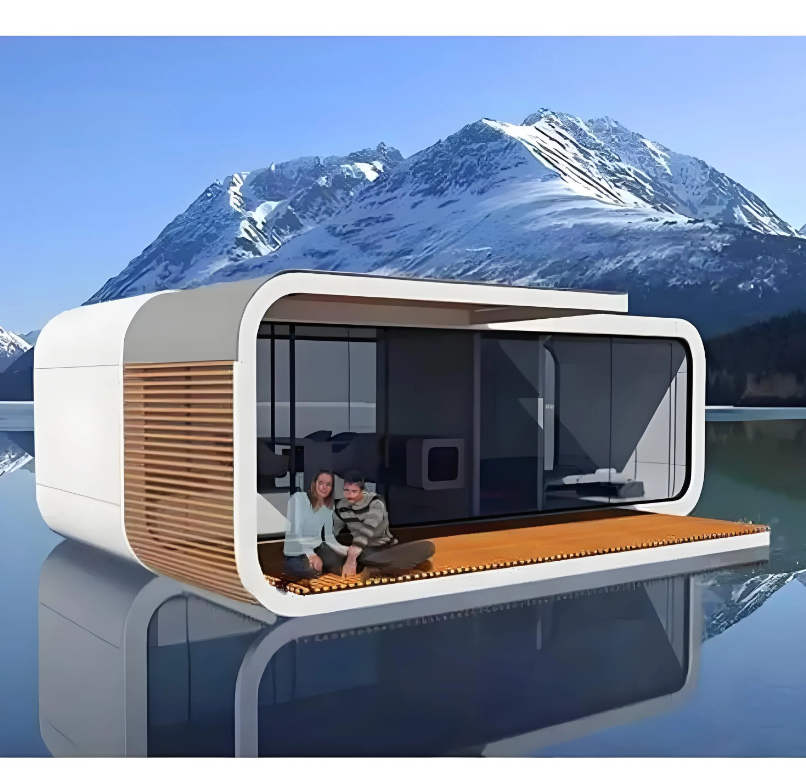
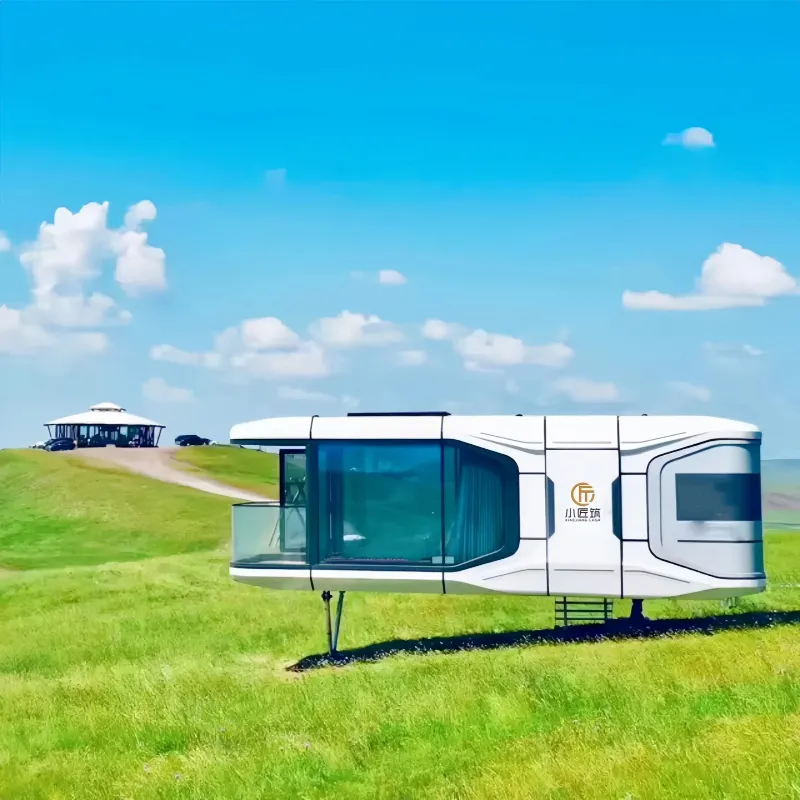
Small house designs have found ways to work with different landscapes whether they're sitting on the beach, nestled in woods, or perched in mountains. Coastal mini homes often sit on raised platforms so they don't get buried by sand shifts, and builders choose special woods treated against salt damage. Up in the mountains, those little cabins need really steep roofs since they can handle over 150 pounds of snow per square foot according to Alpine building rules from last year. Around lakes, designers focus on letting air move through the house naturally, which cuts down on cooling costs about a quarter compared to regular houses. Most of these tiny homes stay below 1,000 square feet total space. The colors matter too! Grayish tones blend right in with rocky shores, while cedar shades help forest dwellings disappear into tree lines. It's all about making sure these small structures look like they belong where they are instead of sticking out like sore thumbs.
Strategic placement of windows and glass walls to maximize views and immersion
Getting the best views begins long before construction actually starts, with careful site analysis looking for those spots where the eye can really take in the surroundings. Large corner windows in both living spaces and kitchens create those wide open views that feel so natural, and those little clerestory windows up high bring in plenty of natural light without making anyone feel like they're on display. When it comes to south facing walls made of glass, studies from Passive House Institute back in 2023 showed these designs boost solar energy capture by around 18% in cold weather regions, which means less reliance on heating systems. Dining rooms often feature sliding glass doors that connect inside with outside spaces, and these aren't just regular windows either they're built strong enough to handle winds blowing at speeds over 100 miles per hour in areas prone to storms.
Compact floor plans under 1,200 sq ft optimized for scenic footprints
Efficient layouts apply zoning principles aligned with activity frequency:
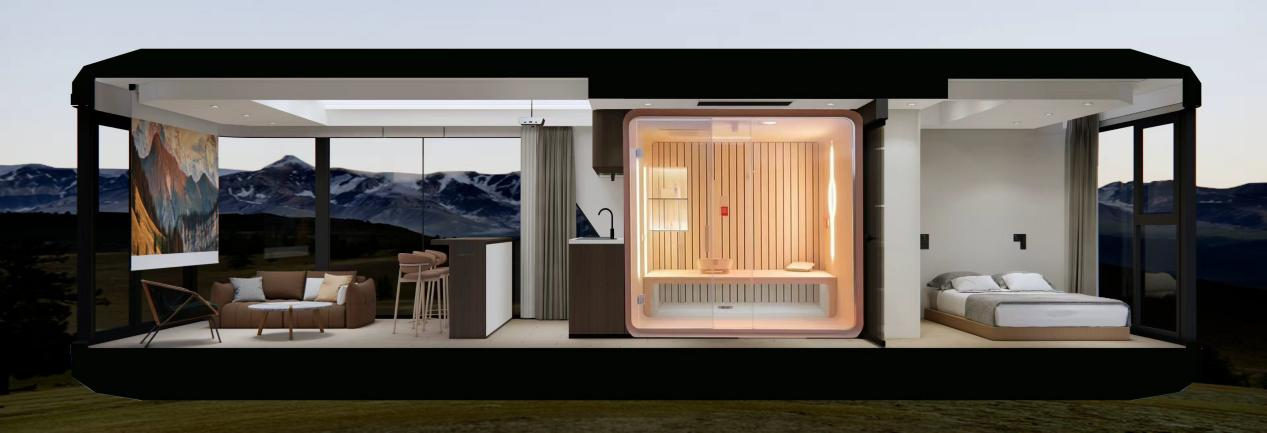
- Primary zones (living/sleeping): 65% of floor area
- Support zones (kitchen/bath): 25%
- Transition spaces (entry/storage): 10%
Open-plan configurations eliminate corridors, reclaiming 12–15% of usable space compared to compartmentalized designs. All circulation paths meet accessibility standards with minimum 36-inch widths, and flexible room dividers support daytime consolidation. Mechanical systems are routed vertically within partition walls—preserving unobstructed sightlines toward exterior landscapes.
Outdoor extensions like decks and patios that blend with natural surroundings
Raising structures off the ground opens up interior space without messing with the earth below. Helical piers take the place of those heavy concrete footings that damage roots when installed. For decking, composite materials made from recycled stuff work really well. They come in colors that match local stones or woods around here, and need about three quarters less upkeep compared to regular wood according to Green Building Council research from last year. When building over hills or near water bodies, cantilever designs let people feel more connected to nature. These projects often include built-in planters filled with native grass species that provide privacy screens naturally. At night, the lighting setup sticks to dark sky guidelines. Recessed LED strips along walkways combined with completely covered light fixtures help keep unwanted glare out of nearby ecosystems where it matters most.
Maximizing Vertical Space in Mini House Structures
Loft beds and elevated sleeping areas to free up living space
Loft beds basically take advantage of space overhead so we can keep more room on the floor below. They free up around 35 to 40 percent of floor space which makes sense when living areas get tight. The idea behind this stacking approach is simple really focusing on making good use of height rather than spreading out horizontally across the room. Some clever designs come into play here too like those beds with pulleys that turn into daybeds during the day, or guardrails that double as shelves for books or decor items. When building one though there are important things to consider. At least 30 inches of headspace needs to be maintained above any walkway areas otherwise people will bump their heads constantly. Also all loft bed structures should meet basic home safety guidelines for raised sleeping areas to prevent accidents.
High ceilings and vertical layouts to enhance spatial perception
When rooflines go up to around 9 to 12 feet, small spaces suddenly seem much bigger. Combine this with those big windows that stretch from floor to ceiling or maybe some vertical wood paneling on the walls, and the whole room starts looking longer and brighter. People often paint walls and ceilings the same color these days too, which helps everything blend together. Pendant lights hanging down from the middle of the room work well too, especially when paired with high ceilings where the wooden beams are visible instead of hidden away. Some studies suggest that playing with vertical space can trick our brains into thinking a 400 square foot apartment feels almost twice as large sometimes. Not bad for just rearranging what's already there!
Stair-integrated storage and multi-level functional zones
Staircases aren't just for climbing anymore they've turned into real storage solutions these days. Some folks install custom drawers right under each step for storing clothes or pantry stuff. Others hollow out those risers between steps to keep shoes organized. And don't forget about those landings which can double as different spaces throughout the house. Imagine having an elevated workspace that looks down over the living room area, or maybe a cozy reading corner hidden underneath where the loft meets the stairs. Kids love playing on platforms built beneath the main staircase too. Most designers will tell homeowners they need at least seven feet of space vertically between floors so people can move around comfortably. This helps maximize the usable space inside without needing to build outwards, which saves money on construction costs.
Multi-Functional Furniture for Efficient Mini House Living
Transforming furniture: foldable beds, expandable tables, and convertible seating
Furniture that adapts to different needs makes it easy to change how we use space. Take foldaway beds for instance they turn bedrooms into living areas during the day. Then there are those expandable tables that start out small like regular coffee tables but can stretch out enough to seat six people thanks to those sliding panels built right in. And let's not forget about convertible sofas which become guest beds simply by removing the back cushions these actually work pretty well as temporary mattresses. All this smart design means fewer pieces of furniture cluttering up the house while still getting all the functionality needed. Especially important nowadays when so many folks live in apartments or houses where each square foot has to do double duty sometimes even triple!
Designing flexible layouts using modular and space-saving mini house furniture
Modular furniture gives people real flexibility when it comes to adjusting their living space for what they need each day. Take sectional sofas for instance—they can be rearranged for lounging around, set up for dinner time, or even converted into work areas. And those lift top ottomans? They do triple duty as extra seats, hidden storage spots, and flat surfaces whenever needed. Studies have found that incorporating these kinds of versatile pieces makes small spaces feel about 30 percent bigger in houses smaller than 1,200 square feet. This approach supports the minimalist lifestyle many are going for now, all while keeping things comfortable and visually appealing throughout the home.
Optimizing Light and Storage in Scenic Mini Houses
Creating comfortable mini houses in picturesque locations requires deliberate design tactics that balance stunning views with functional living. Strategic lighting and efficient storage solutions let compact homes feel spacious while celebrating their scenic surroundings.
Maximizing natural light with skylights, large windows, and reflective surfaces
When windows are placed on walls facing the sun, they can really bring in those seasonal daylight changes while also highlighting important parts of the landscape outside. Putting skylights above main living spaces makes these rooms brighter and helps cut down on needing electric lights by about 20%, according to recent energy studies from 2023. Things like mirrored backsplashes in kitchens, glass room dividers, and shiny concrete flooring all work together to bounce around natural light throughout the space. This creates a stronger connection between what's inside and what's outside, making it feel like there's no real boundary between them at all.
Light color palettes and minimalist design to enhance spaciousness
Colors like neutral white, soft beige, and light gray can make rooms appear bigger than they actually are. Combine these hues with open spaces that don't have walls dividing them everywhere, and suddenly small apartments start feeling less cramped. Minimalist design cuts down on all the visual distractions inside a space. Instead of fighting against clutter, eyes naturally drift toward whatever view exists outside those windows. Even apartments under 400 square feet can transform into peaceful retreats where everything feels purposeful and somehow linked to what's happening beyond the walls.
Hidden and vertical storage solutions (under stairs, wall niches, built-in shelving)
| Storage Type | Implementation | Space Savings |
|---|---|---|
| Staircase voids | Custom pull-out drawers | 8–12 sq ft reclaimed |
| Wall recesses | Flush-mounted cabinets | Zero footprint expansion |
| Elevated shelving | Ceiling-height bookcases | 30% more vertical capacity |
Built-ins convert structural dead zones into functional assets. Dual-purpose furniture—such as ottomans with lift-top compartments or window seats with concealed storage—keeps surfaces clear and maintains the uncluttered serenity essential to scenic mini house living.
FAQ
What are the common materials used in building mini houses in natural settings?
Common materials include special woods treated for coastal environments, composite materials for decking, and sustainable, durable resources that blend with local surroundings.
How do mini house designs increase sustainability?
Mini house designs focus on energy efficiency, using natural ventilation, solar energy capture, and sustainable materials to reduce their environmental footprint.
What are some storage solutions for tiny homes?
Storage solutions include built-in shelves, under stair drawers, and multi-functional furniture like ottomans with storage compartments.
Table of Contents
-
Designing Mini Houses for Scenic Integration and Compact Living
- Tiny house designs tailored for natural settings (beach cottages, lake houses, mountain cabins)
- Strategic placement of windows and glass walls to maximize views and immersion
- Compact floor plans under 1,200 sq ft optimized for scenic footprints
- Outdoor extensions like decks and patios that blend with natural surroundings
- Maximizing Vertical Space in Mini House Structures
- Multi-Functional Furniture for Efficient Mini House Living
- Optimizing Light and Storage in Scenic Mini Houses
- FAQ