EN
EN
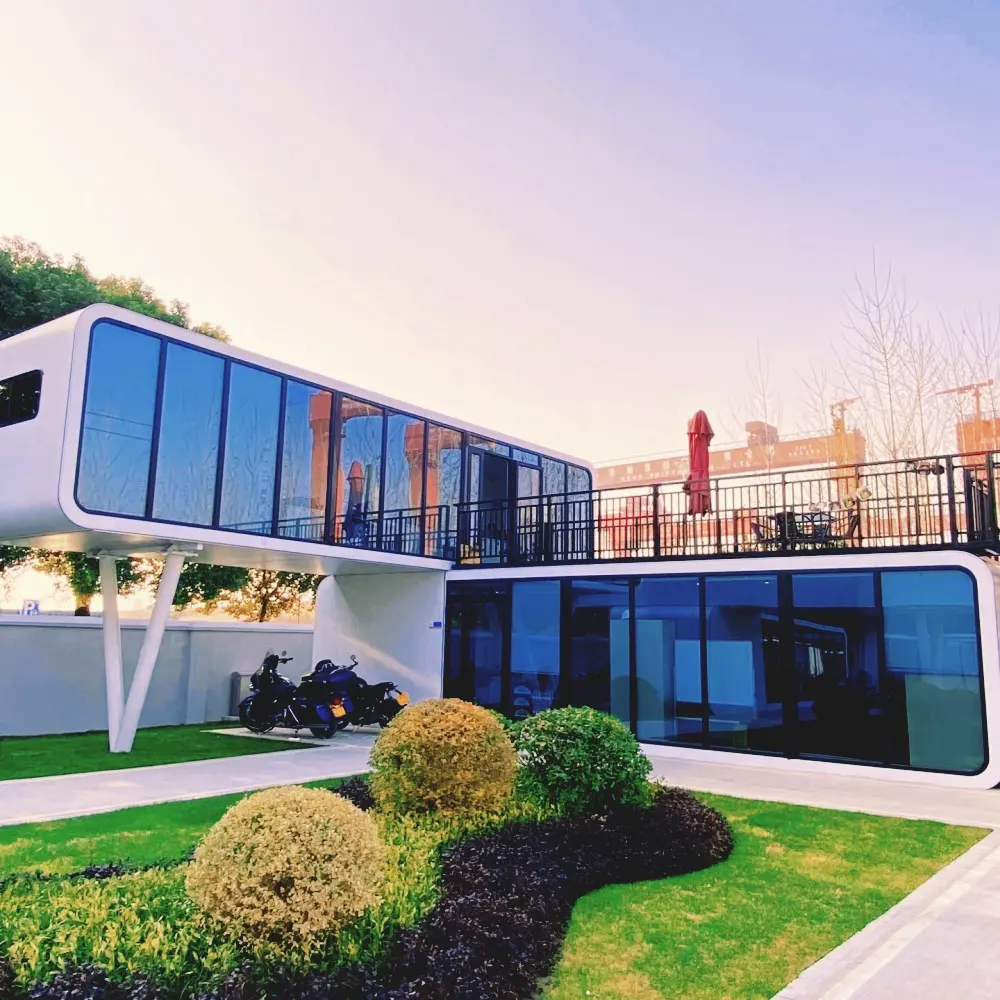
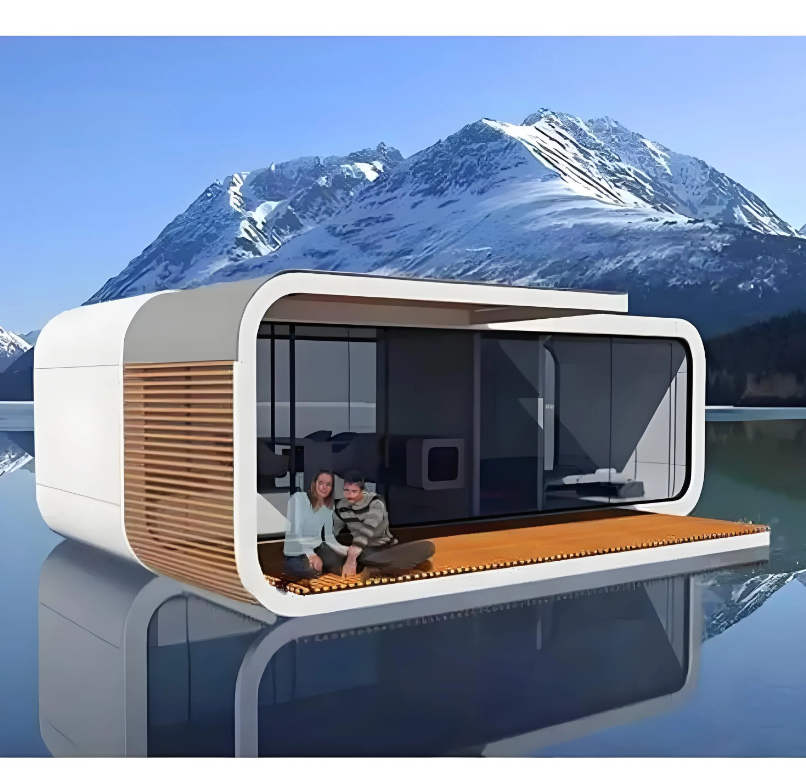
In the fast-paced construction industry, on-site office efficiency directly impacts project progress and operational productivity. Traditional construction site offices are often plagued by slow construction, poor adaptability to harsh natural environments, and high cross-regional logistics costs, making efficient container office solutions a pivotal and irreplaceable choice for modern construction projects worldwide. As a leading science and technology enterprise in the global modular building industry, Xiao Jiang Casa has crafted professional, customized and high-performance construction site container office solutions by leveraging its decades of R&D and manufacturing experience in modular housing and advanced core technological advantages, perfectly meeting the diverse on-site office needs of construction projects in different regions and climatic conditions.
Core Technological Advantages of Construction Site Container Office Solutions
The core competitiveness of Xiao Jiang Casa’s efficient container office solutions for construction sites lies in its self-developed core technologies that define industry standards. The self-developed X-TEC lightweight alloy skeleton has passed the NASA-level compression test, which enables the container office to withstand a magnitude 12 hurricane and a magnitude 8 earthquake, perfectly adapting to the complex and changeable natural environments of construction sites, such as remote mountainous areas, coastal windy regions and seismic zones. The patented folding expansion structure realizes 30-minute quick deployment of the container office, which greatly shortens the construction cycle of on-site office space and saves a lot of human and material resources for construction projects. Meanwhile, this structure improves space utilization by 400%, making the limited container space meet the multi-functional office needs of construction project departments, supervision rooms and temporary meeting rooms.
Embedded with an AIoT intelligent control center, the ecological intelligent control system of the container office integrates air circulation, temperature and humidity adjustment, and energy management modules. The solar-hydrogen dual-mode power supply system supports 180 days of continuous off-grid operation, which solves the power supply problem of container offices in remote construction sites without stable grid access, and realizes energy conservation and environmental protection while ensuring stable office operation.
100% Customized Design for Construction Site Operational Needs
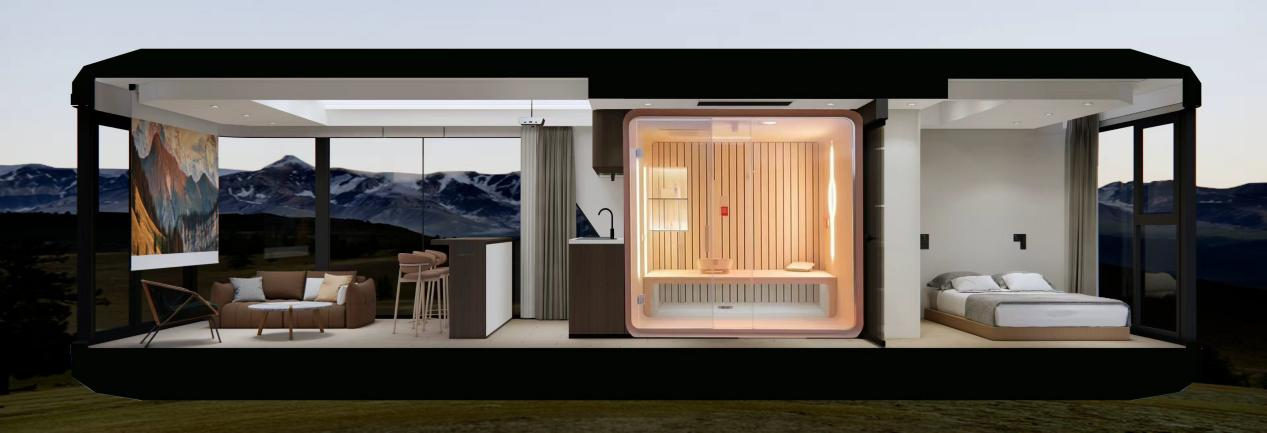
Xiao Jiang Casa has built a professional feature scene customization platform for its container office solutions, supporting more than 20 professional scenario configurations and realizing 100% digital custom design for construction site container offices. From the selection of high-quality aluminum profiles and stainless steel materials to the layout of functional modules, the whole customization process is based on the actual operational needs of construction projects. For small and medium-sized construction projects, it can provide compact integrated container office solutions; for large-scale construction projects, it can flexibly combine multiple container modules to form a multi-functional office area including independent offices, open working spaces and reception areas. Even for construction sites with special needs, such as infrastructure projects in polar regions or medical rescue supporting construction sites, Xiao Jiang Casa can customize medical-grade clean space and low-temperature resistant operation modules, making the container office highly compatible with the actual operation of construction sites.
Global Manufacturing Strength and Cross-Border Delivery Capabilities
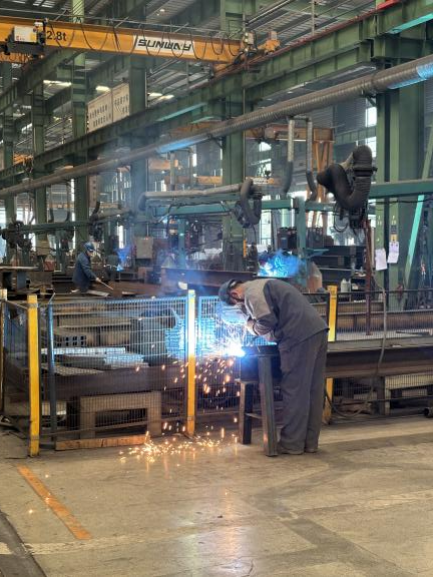
As a strong backing for the efficient delivery of construction site container office solutions, Xiao Jiang Casa has 3 large-scale German-standard intelligent manufacturing bases with a total area of 50,000 square meters, equipped with more than 100 standard production slots, and the monthly delivery volume can reach more than 100 units. All production bases have obtained TUV Rheinland certification and strictly implement the ISO 14644-1 clean workshop standards, ensuring the high quality and consistency of each container office product.
In terms of cross-border delivery, Xiao Jiang Casa has created an original "modular container transportation system", which reduces international logistics costs by 40% for construction site container office projects exported to overseas markets. At the same time, the company has built a 72-hour global emergency response network with a professional multilingual technical support team, which can quickly respond to the after-sales technical needs of container offices in construction sites around the world, solving the worries of cross-border construction projects about the delivery and use of on-site office facilities.
One-Stop Service for Seamless Project Landing
Xiao Jiang Casa’s R&D, production and quality control teams have more than 10 years of industry experience, and the craftsmen adhere to the spirit of craftsmanship, strictly controlling each link of the production and delivery of container office products to ensure the best landing effect. The company provides a one-stop service covering design, manufacturing and installation for construction site container office solutions, and can also provide EPC general contracting services for domestic government construction projects, integrating the whole process of project planning and on-site construction. Relying on the experience of establishing scenario-based solution alliances with international brands such as Hilton and Muji, Xiao Jiang Casa infuses high-end modular design concepts and humanized service thinking into the creation of construction site container offices, making the on-site office space more comfortable and functional.
Up to now, Xiao Jiang Casa’s modular building projects have been landed in dozens of regions around the world, with domestic projects covering Xinjiang, Inner Mongolia, Guizhou and other places, and overseas projects spreading across the United States, Canada, Australia, European countries and Southeast Asia. Rich project landing experience in different regions and climatic environments makes the company’s construction site container office solutions more professional and targeted.
For construction projects around the world, Xiao Jiang Casa’s efficient container office solutions redefine the on-site office experience of the construction industry with cutting-edge technology, customized design and global full-value chain service capabilities. Breaking the limitations of traditional construction site offices in construction speed, environmental adaptability and space utilization, it provides a flexible, durable and intelligent office alternative for construction sites, and has become a reliable partner for construction enterprises pursuing high efficiency and high-quality operation. With the continuous integration and innovation of engineering aesthetics and core technology, Xiao Jiang Casa will continue to explore and optimize container office solutions, inject more technological vitality into the on-site operational efficiency of the global construction industry, and jointly promote the upgrading and development of the construction industry’s on-site supporting facilities.