EN
EN


The Rise of Modern Prefab Houses in Cultural Tourism Development
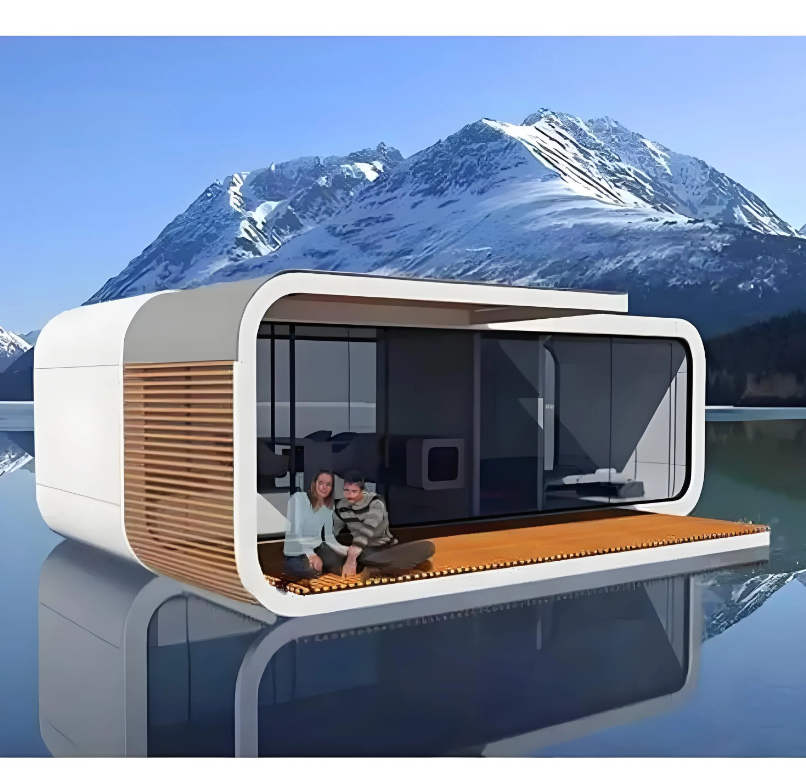
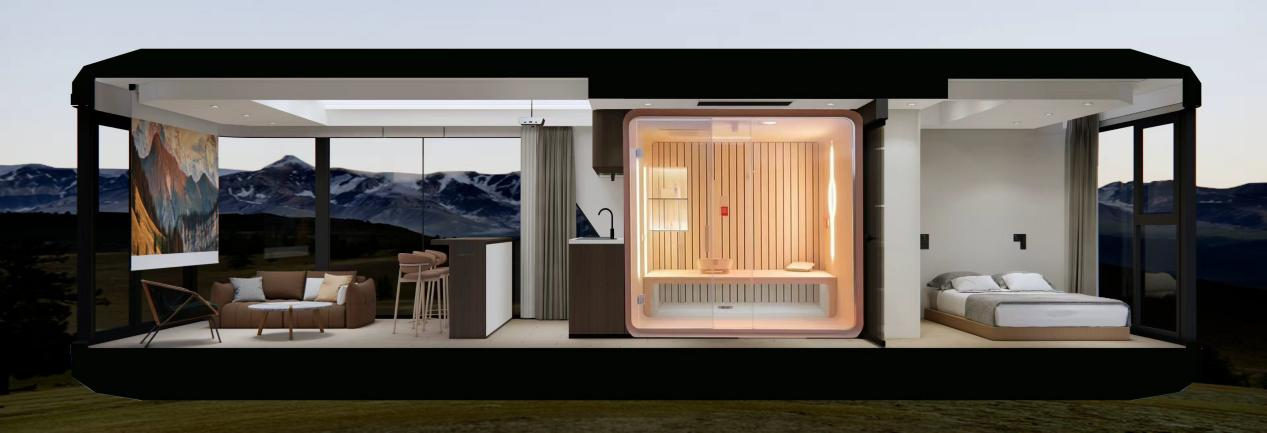
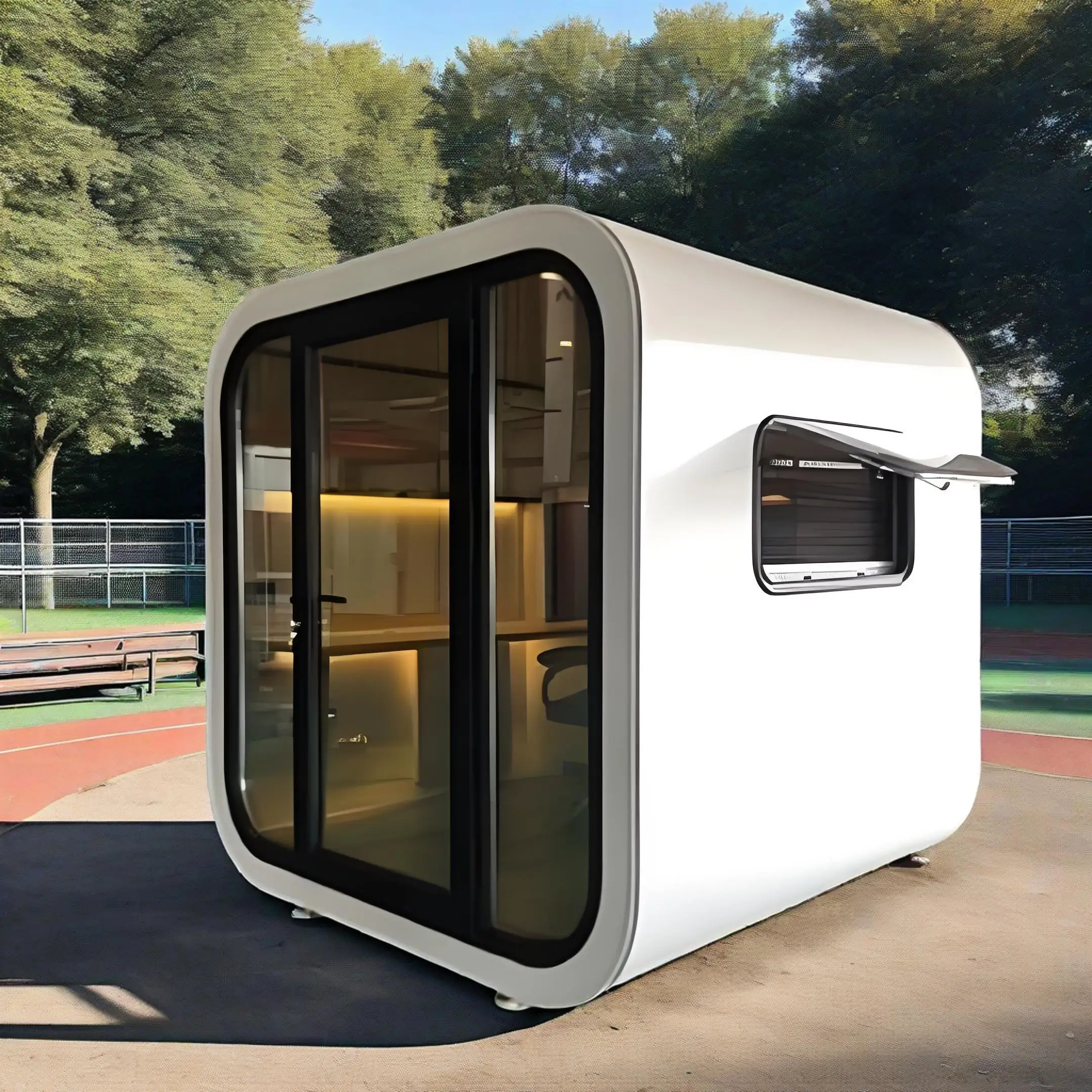
Modern prefab houses are redefining how cultural tourism projects approach infrastructure development. By combining modular construction techniques with architectural innovation, these structures address two critical demands in tourism development: rapid deployment and operational flexibility.
How Modern Prefab Houses Transform Tourism Infrastructure with Speed and Efficiency
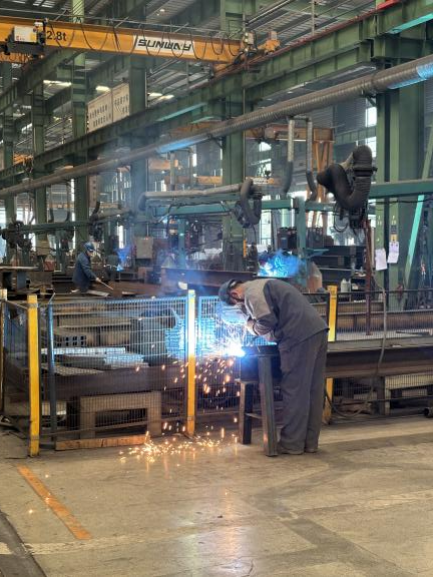
Using off site fabrication helps tourism developers cut down on site construction times by about half sometimes even more. Prefab eco lodge units take around six to eight weeks to make in factories while the land gets ready at the actual location. These two processes happening at once means that complete tourism facilities can start operating just about three months after getting the green light from authorities. For places that depend on seasons this timing makes all the difference when trying to open right before tourist season hits its peak.
Global Trend: Adoption of Modular Construction in National Parks and Eco-Trails
More than 120 protected nature spots around the globe have started using prefabricated buildings for their visitor centers and accommodation options, based on figures released by various sustainable tourism organizations in 2023. Take the recent installation of modular ranger stations along sections of the Appalachian Trail by the US National Park Service as just one example. These prefab designs still work well enough for practical purposes but meet those tough environmental standards too. We're seeing similar approaches at UNESCO World Heritage locations as well. Some sites are now employing these prefabs with special reversible foundations that don't damage ancient remains below ground level, helping keep those precious archaeological finds intact for future generations.
Case Study: Rapid Deployment of Modern Prefab Units on Himalayan Eco-Trails
In Nepal back in 2023, there was this interesting tourism project that really showed what prefabricated buildings can do in tough terrain. Some developers managed to put up 15 complete guest cabins along the famous Annapurna Circuit path within only 11 days. They flew all the building modules into place by helicopter, which made things possible where regular construction would have been impossible. What stood out was how they used local materials too. The cabins had stone exteriors matching nearby structures and featured traditional wooden carvings that tourists loved seeing. When asked about them, most cultural tourism guides gave their approval. Around 9 out of 10 said these little houses blended well with the landscape and worked great functionally during that first busy trekking season.
Sustainability and Low Environmental Impact in Sensitive Tourist Zones
Eco-Friendly Benefits of Modern Prefab Houses in Sustainable Tourism
Modern prefab houses minimize soil disturbance and deforestation through precision off-site manufacturing. Their modular design reduces resource waste, with 82% of materials arriving pre-cut to specifications—a critical advantage in protected ecosystems where traditional construction methods often damage fragile topsoil layers.
Minimizing Ecological Disruption: Prefab Eco-Lodges in Costa Rica
In Costa Rica’s Osa Peninsula rainforests, prefab eco-lodges built 30 meters above ground eliminated the need for tree removal. Lightweight aluminum piers replaced concrete foundations, preserving 98% of native vegetation within project boundaries while offering tourists immersive canopy-level stays.
Data Point: 60% Reduction in Construction Waste vs. Traditional Methods (UNEP, 2023)
A 2023 UNEP study confirms modular construction generates 60% less waste than conventional builds. For tourism projects averaging 20 lodging units, this equates to preventing 540 metric tons of discarded materials from entering landfills—enough to fill 45 standard shipping containers.
Balancing Conservation and Development Through Modular Solutions
Prefab systems enable developers to install luxury accommodations with 70% smaller physical footprints. Telescoping designs allow structures to expand vertically rather than horizontally, protecting wildlife corridors in Botswana’s Okavango Delta and Chile’s Torres del Paine National Park alike.
Customizable Designs That Reflect Local Culture and Aesthetics
Architectural Adaptability of Modern Prefab Houses Across Cultural Landscapes
Prefab homes are changing what we see in cultural tourism spots because they can be designed so flexibly. Traditional buildings tend to stick to one style, but these modular systems actually work with local architectural traditions without compromising strength. Take places along rivers in Southeast Asia where architects lift the structures on stilts and add touches like woven bamboo details. The same basic building blocks get completely different looks when applied to mountain villages in Europe, turning into cozy chalets with sloped roofs covered in stone from nearby quarries. This adaptability makes them stand out in destinations that want to preserve their unique character while still offering modern comforts.
Integrating Indigenous Materials and Design Motifs Into Prefab Structures
Designers around the world are increasingly mixing local materials with modern building techniques to preserve cultural heritage. Take for instance a resort along Tanzania's coast where architects used prefabricated concrete structures combined with intricate wooden screens made from mangroves, echoing traditional Swahili designs. Over in the Pacific Northwest, several indigenous communities have teamed up with construction firms to build homes wrapped in cedar planks, complete with steel panels etched with tribal symbols. These collaborations not only respect ancestral traditions but also push forward innovative approaches to sustainable design that work within contemporary constraints.
Case Study: Maasai-Inspired Prefab Villas in Kenyan Safari Resorts
A Kenyan eco-lodge project achieved 85% local stakeholder approval by merging modular construction with Maasai design principles. Prefabricated villa cores were wrapped in traditional manyatta-style circular layouts, topped with recycled plastic roofing mimicking thatched grass. Walls feature beadwork patterns designed by Maasai artisans, digitally rendered onto durable composite panels.
Innovative Design Strategies for Culturally Resonant Luxury Glamping
Luxury travel companies are increasingly turning to prefabricated designs that blend high-end comfort with authentic local stories. Take for instance a resort on the Mongolian steppe where their glamping suites priced at around $1.2 million feature these amazing innovations. The accommodations include collapsible domes inspired by traditional yurts but with modern touches like moving felt insulation that adjusts to temperature changes. Bath areas are separate modules wrapped in leather from old nomadic saddles that have been carefully restored. Between rooms, there are these beautiful acrylic panels etched with ancient rock art patterns found throughout the region. What makes this whole setup work so well is that it cuts down construction time onsite by nearly three quarters compared to conventional methods. Plus, everything still meets those strict requirements set by UNESCO for preserving culturally significant sites.
Rapid Deployment in Remote and Logistically Challenging Destinations
Overcoming Access Challenges With Off-Site Fabricated Modern Prefab Houses
Getting tourists to remote cultural spots often means dealing with all sorts of logistical nightmares. Think narrow mountain roads that barely fit a car, or islands where ports can't handle regular shipping traffic. That's where modern prefabricated houses come in handy. These buildings are made in factories as modular parts that just need putting together at the destination. Take Nepal's Himalayas for instance. Eco-lodges built specifically for those harsh high altitude conditions get hauled up there using small utility vehicles that can squeeze through trails far too rough for normal construction machinery. And the numbers speak for themselves too. Transporting these prefab structures cuts down on what needs to be moved by around two thirds compared to traditional building techniques, yet they still stand up just fine structurally.
Principle: Reduced On-Site Labor and Construction Time Through Modular Precision
The streamlined nature of prefab construction slashes project timelines through three key mechanisms:
- 95% of fabrication completed in controlled factory environments
- Pre-installed electrical and plumbing systems requiring only connection
- Weather-independent manufacturing minimizing delays
A 2024 analysis of 12 remote tourism projects found modular builds required 42% fewer on-site workers and achieved three times faster occupancy rates than traditional construction. This efficiency proves critical in regions with seasonal tourism windows or limited local skilled labor pools.
Case Study: Helicopter-Deployed Glamping Pods in Arctic Regions
A Nordic adventure tourism company faced a real challenge when trying to set up luxury stays north of the Arctic Circle. Building traditionally just wasn't feasible because of the permafrost ground and those short four month windows when ice roads actually work. What they did instead? They brought in 18 ready-made glamping pods complete with their own insulation tech. These were flown in by big helicopters and had guests checking in just three days after arrival on site. The whole setup cut down ground transport needs by almost ninety percent, saved us from doing most of the usual groundwork required for permafrost sites, and completely sidestepped those pesky seasonal limitations that normally hold everything back.
Trend: Expansion of Prefab Use in Mountainous and Island Tourist Destinations
The global tourism industry is adopting modern prefab houses at unprecedented rates in geographically constrained areas:
| Region | Prefab Adoption Growth (2021–2024) | Primary Use Case |
|---|---|---|
| Andean Trails | 210% | High-altitude eco-lodges |
| Indonesian Islands | 175% | Overwater cultural retreats |
| Scottish Highlands | 140% | All-season hiking bases |
This surge reflects prefab’s unique ability to balance rapid deployment with low environmental impact—a critical combination for preserving the authenticity of remote cultural destinations while supporting tourism growth.
Economic Advantages and Faster ROI for Tourism Investors
Cost-Effectiveness of Modern Prefab Construction in Tourism Projects
For tourism developers looking to cut costs without sacrificing quality, modern prefabricated homes are becoming a smart choice compared to traditional construction. When about 90 percent of parts get made at factories instead of job sites, this cuts down on labor expenses by roughly half in many cases. Plus there's less wasted materials lying around everywhere. What does all this mean for developers? More money left over to spend on things that really matter to guests. Think installing those solar panels people love so much these days, or funding local culture initiatives that make visitors feel connected to the area. The bottom line is better guest satisfaction when developers can invest in what actually makes a difference.
Data Point: Up to 30% Lower Capital Expenditure vs. Traditional Builds (McKinsey, 2022)
A 2022 McKinsey analysis of 27 tourism projects revealed prefab construction slashes initial costs through 15–30% savings on foundation work via lightweight designs, 20–35% reductions in skilled labor needs, and 90% fewer weather-related delays impacting cash flow.
Strategy: Accelerating Return on Investment for Eco-Resorts and Boutique Lodges
Getting to revenue faster makes all the difference. Prefab eco-resorts with 12 units typically take just five months to get up and running compared to traditional construction which often stretches beyond 14 months. That means operators can start bringing in money three quarters sooner. Take a $2.5 million glamping venture as an example - when operating at around 80% occupancy, the quicker deployment translates into roughly $480k extra cash coming in before competitors even break ground. Another big plus of modular construction? Flexibility matters. Operators don't need major renovations when tourist preferences change throughout the year because these units can be rearranged seasonally to match demand fluctuations without tearing anything down or rebuilding from scratch.
FAQ
What are modern prefab houses?
Modern prefab houses are structures built using modular construction techniques, allowing for rapid deployment and operational flexibility in various settings, particularly in tourism infrastructure.
Why are prefab houses popular in cultural tourism development?
Prefab houses are popular in cultural tourism because they are quick to assemble, environmentally friendly, and can be customized to reflect local culture and aesthetics.
How do prefab houses contribute to sustainability?
Prefab houses contribute to sustainability by reducing construction waste, minimizing soil disturbance, and using eco-friendly materials, which is crucial in sensitive tourist zones.
What are the economic benefits of using prefab construction in tourism?
Prefab construction can be up to 30% cheaper than traditional builds by cutting down labor costs, reducing waste, and eliminating weather-related delays, which in turn accelerates return on investment for tourism projects.
How does prefab construction help in remote and challenging locations?
In remote and challenging locations, prefab construction alleviates access issues by reducing on-site labor, using modular parts easy to transport, and requiring less infrastructure development, allowing for faster occupancy.
Table of Contents
- The Rise of Modern Prefab Houses in Cultural Tourism Development
- Sustainability and Low Environmental Impact in Sensitive Tourist Zones
- Customizable Designs That Reflect Local Culture and Aesthetics
- Rapid Deployment in Remote and Logistically Challenging Destinations
- Economic Advantages and Faster ROI for Tourism Investors
- FAQ