EN
EN


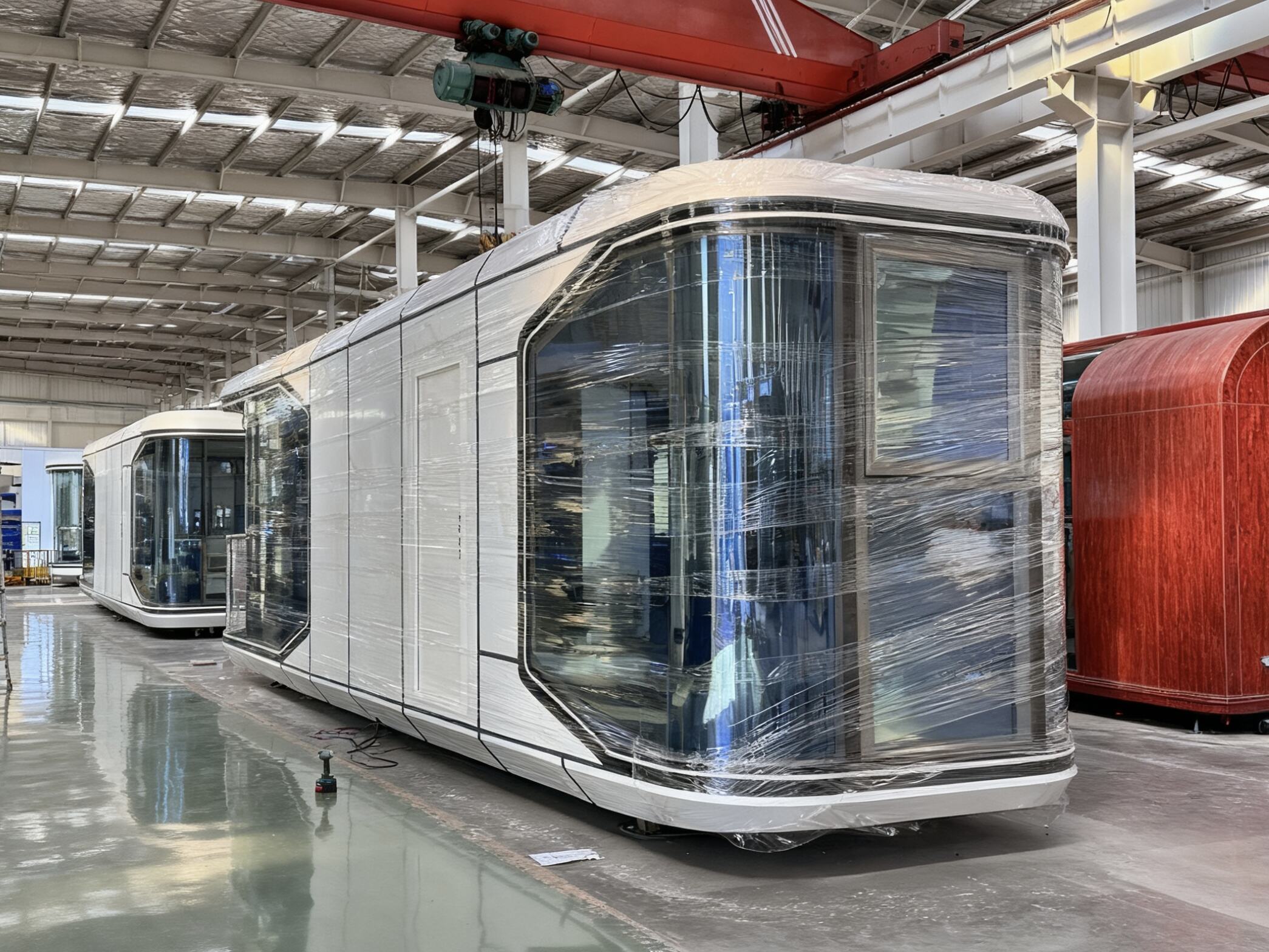
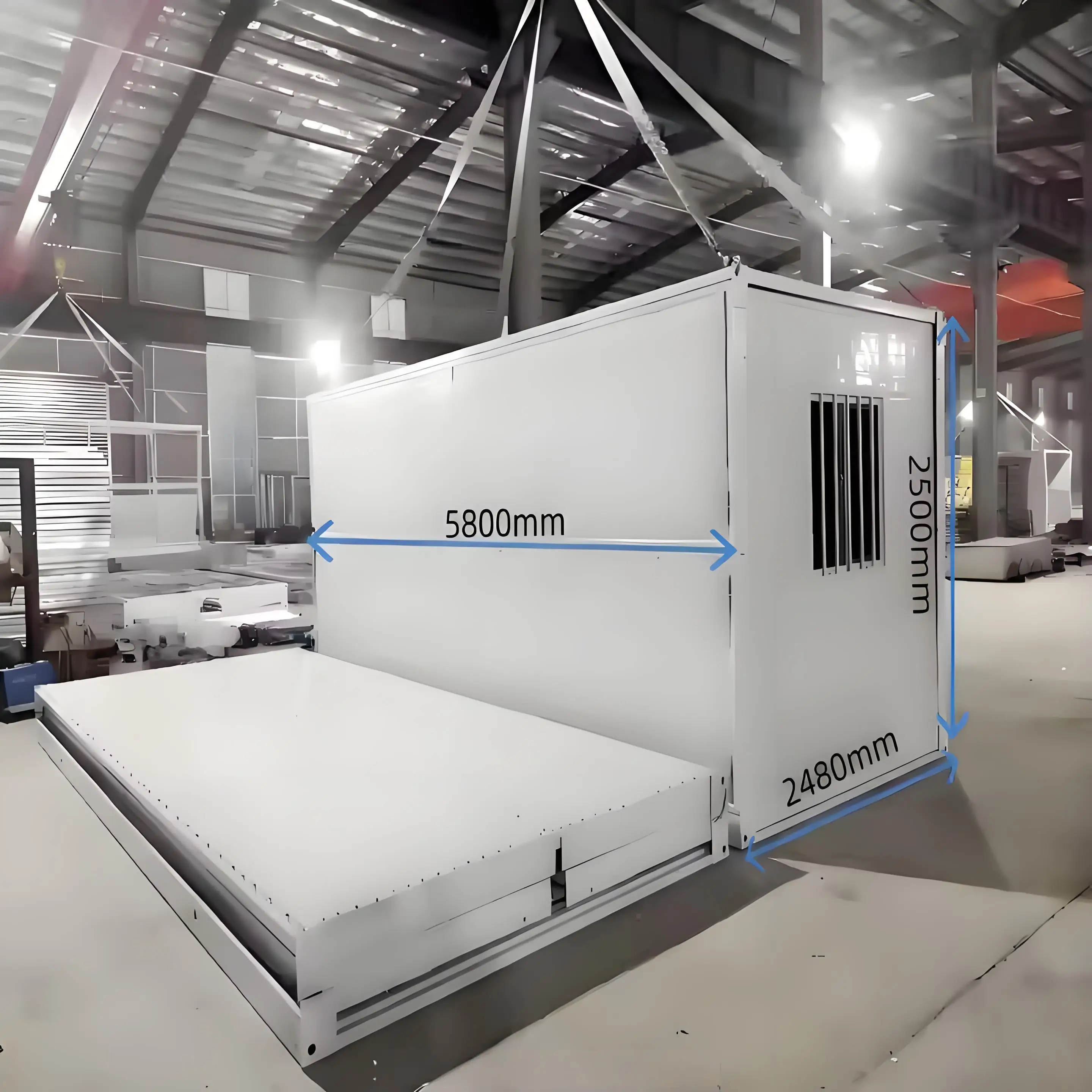
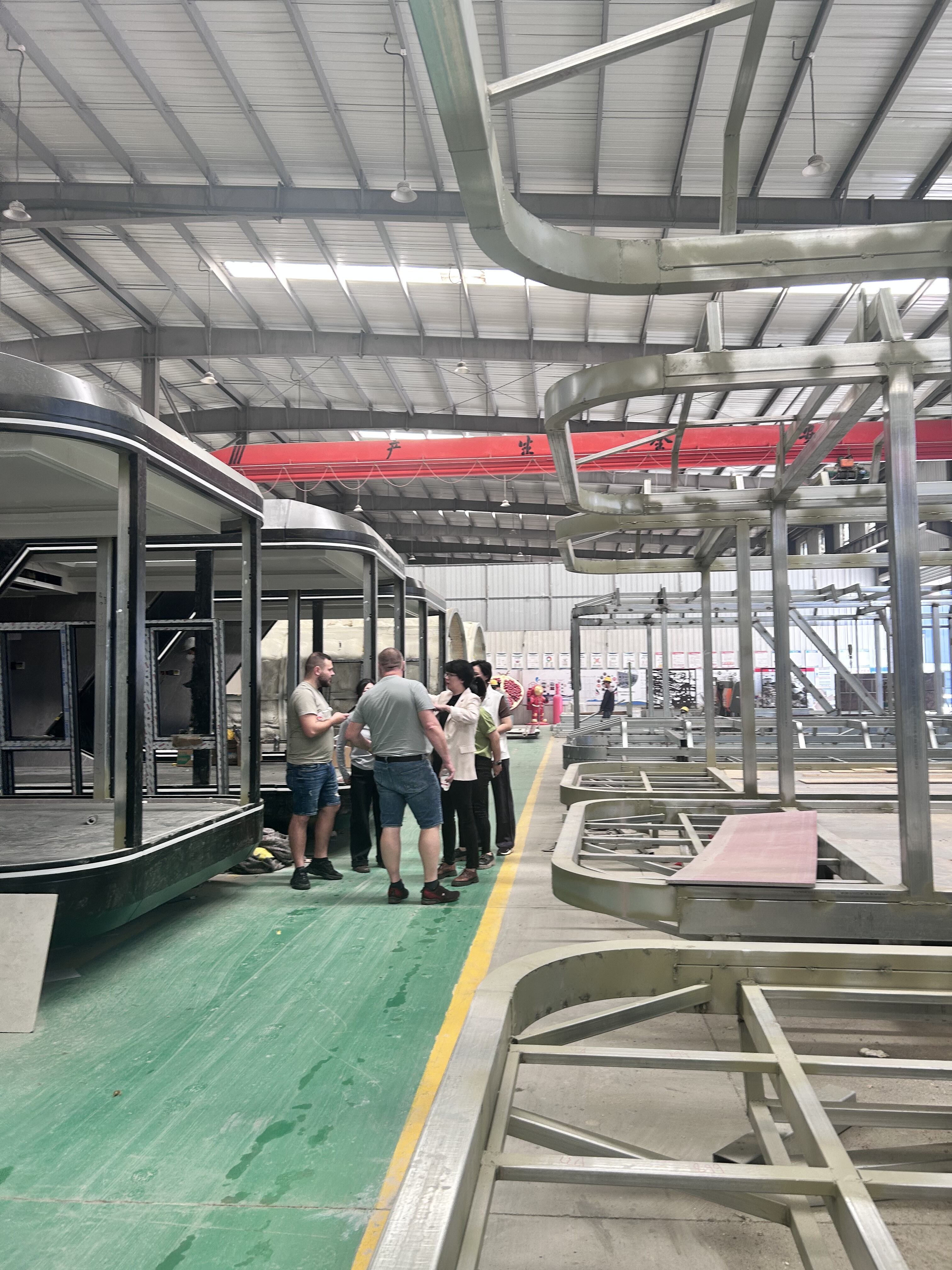
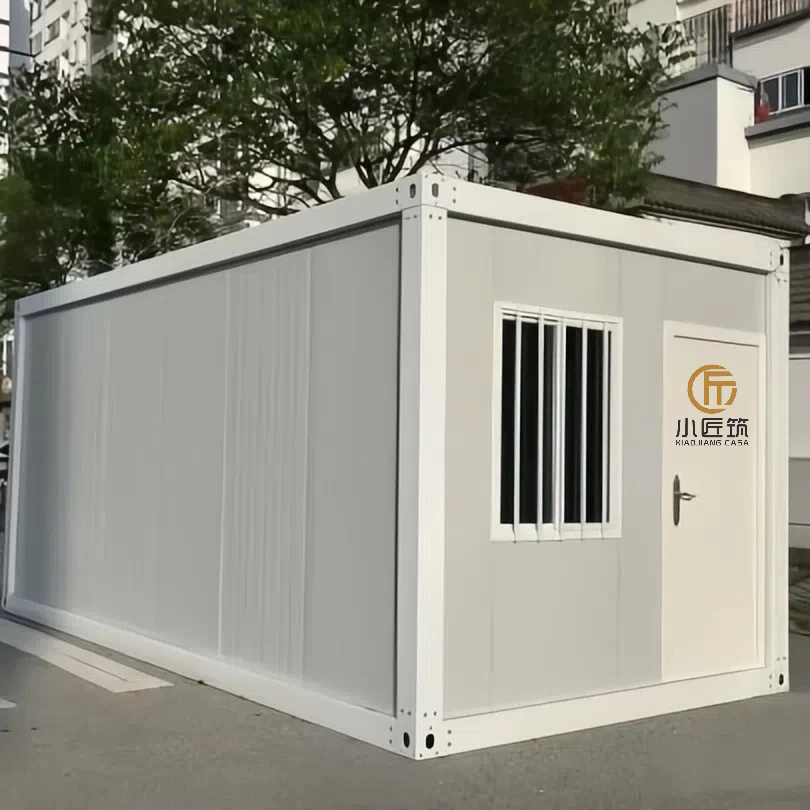
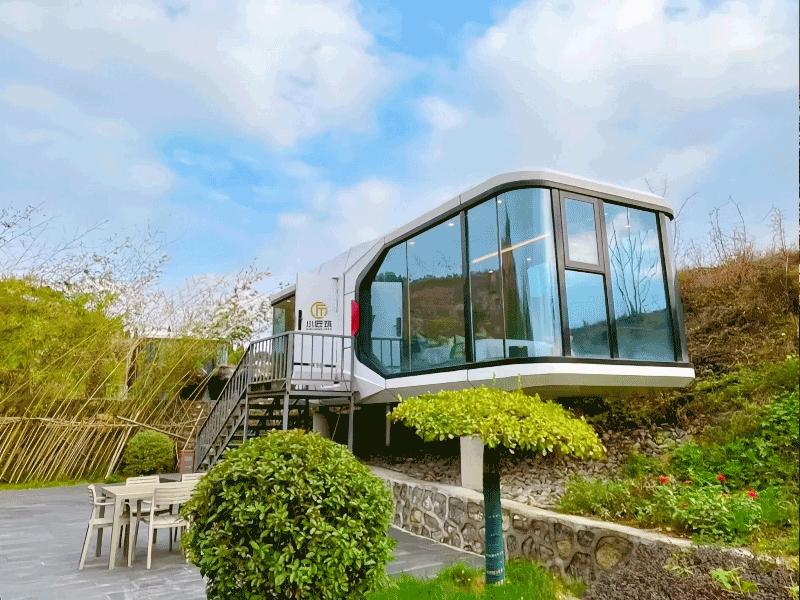
Prefabricated house construction is a method where homes are built in two main phases: off-site manufacturing of modules in a factory and on-site assembly of those modules into a complete home. This process begins with design and engineering, where the home is divided into transportable modules—typically 10 to 16 feet wide and up to 60 feet long—each designed to form a specific part of the house. In the factory, modules are constructed using standardized processes: framing with wood or steel, installation of insulation, electrical wiring, plumbing, windows, doors, and even interior and exterior finishes. Factory construction ensures precision, as machines cut materials to exact measurements, and climate-controlled environments prevent weather-related delays or damage. Once modules are complete, they are transported to the building site via truck, where a crane lifts them onto a pre-prepared foundation (slab, crawl space, or basement). Modules are joined using specialized connectors that ensure structural integrity and weather tightness, with seams sealed to prevent air or water infiltration. On-site work continues with finishing touches: connecting utilities, installing roofing over module joints, adding exterior cladding to unify the appearance, and completing landscaping. This method reduces construction time by 30-50% compared to traditional building, minimizes waste, and ensures consistent quality. Prefabricated house construction meets all local building codes, offering a durable, efficient alternative to site-built homes.
24
Apr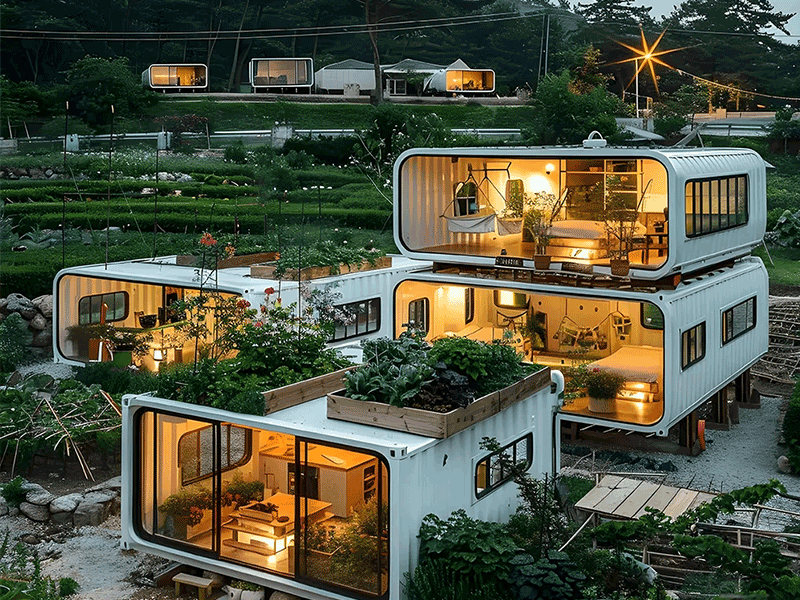
24
Apr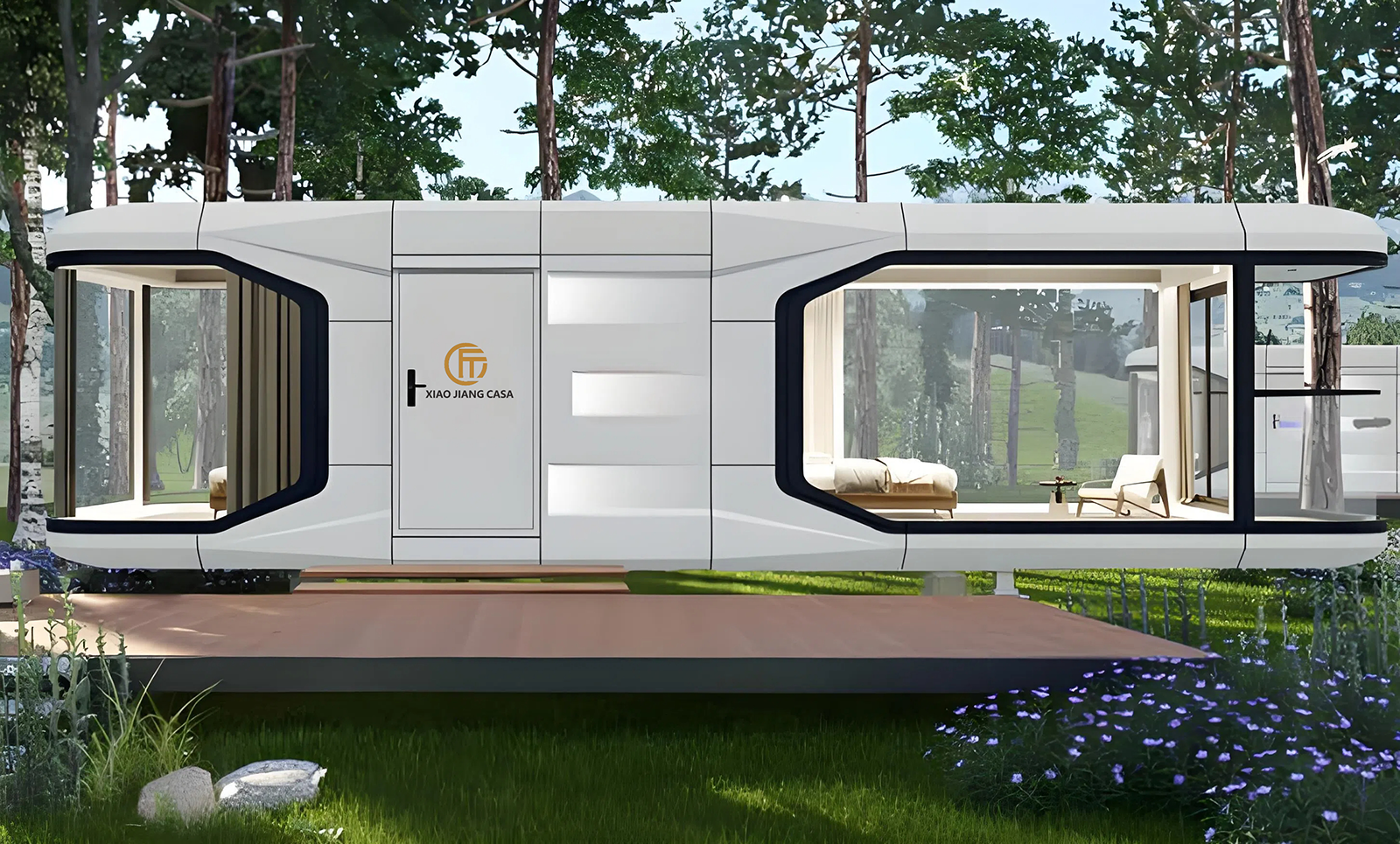
25
Apr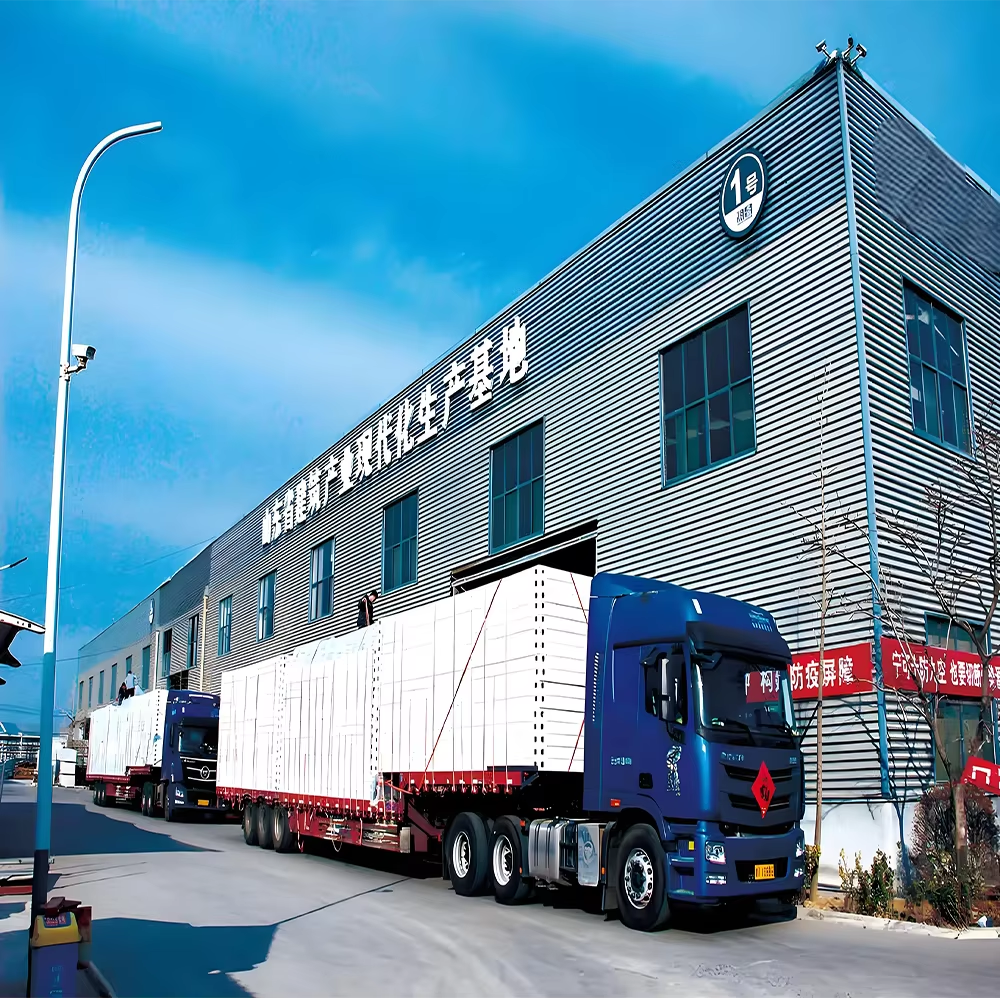
25
Apr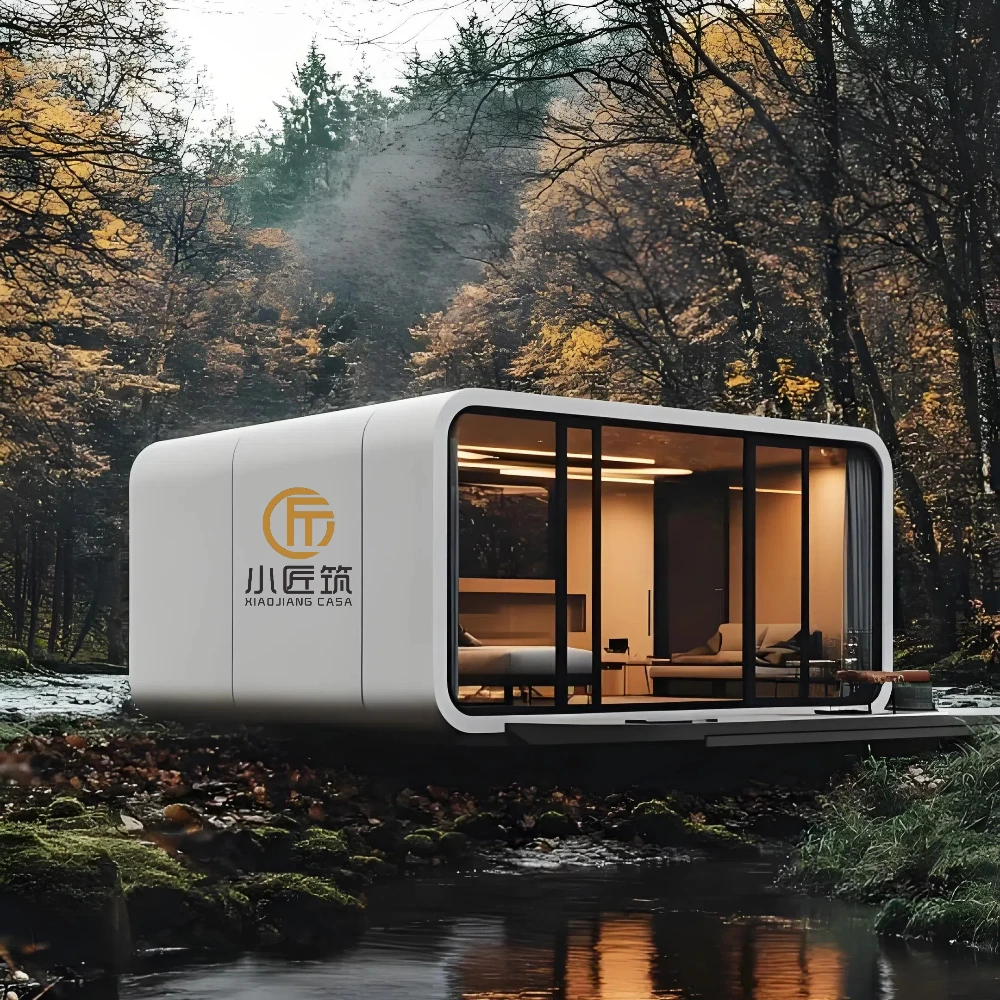
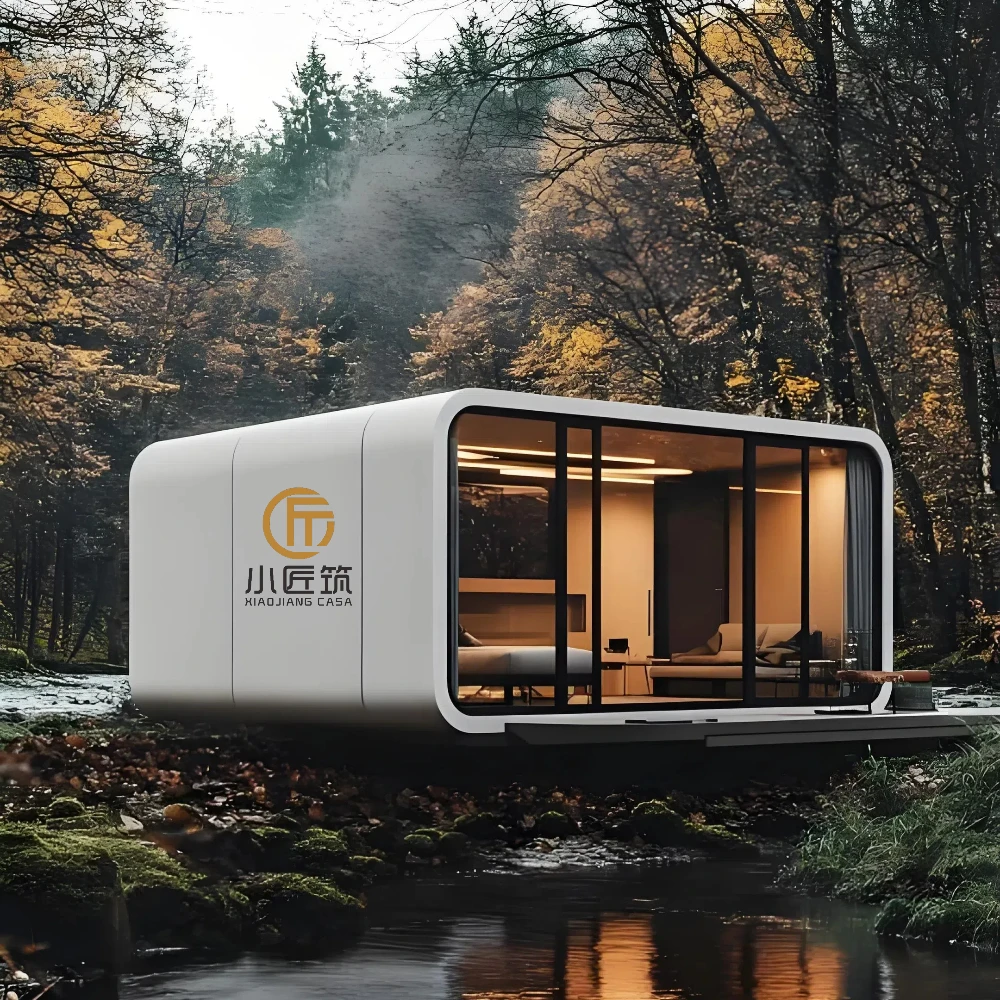
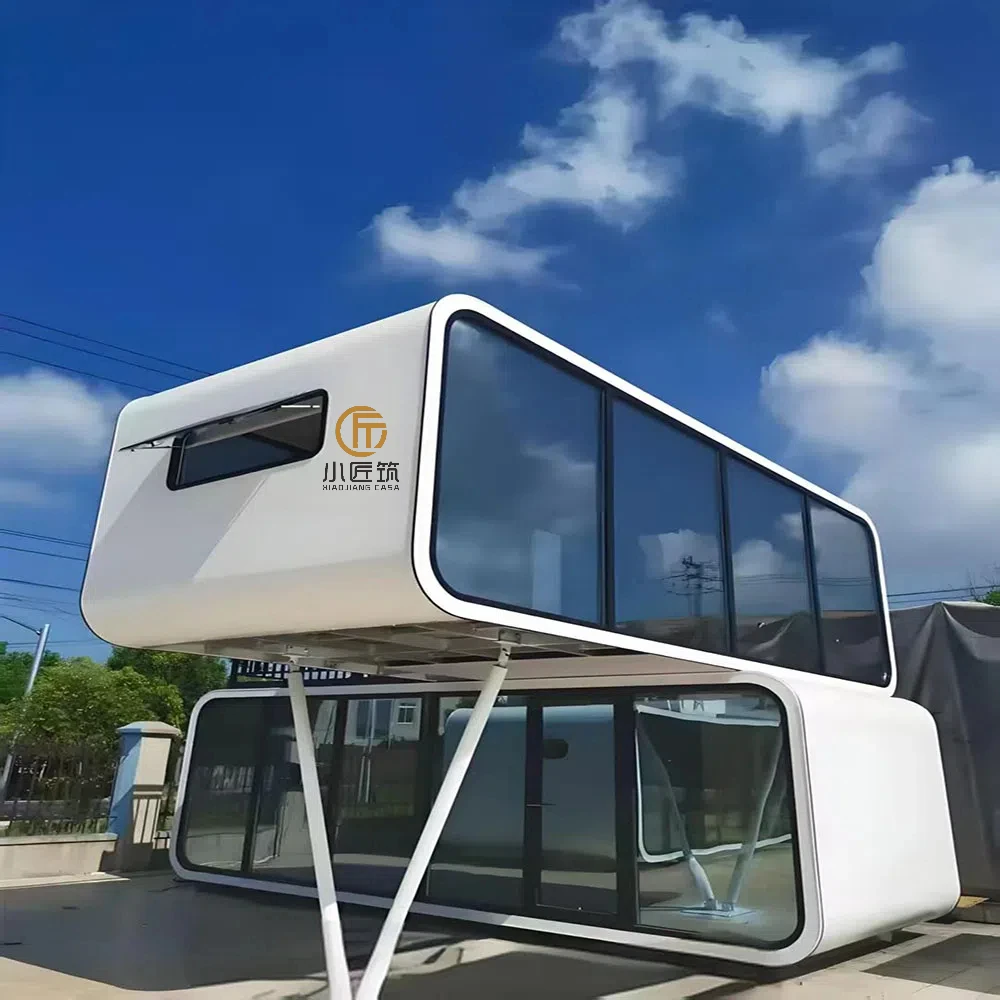
Xiaojiangcasa has a professional design and production team. The technical team strictly controls the product from research and development to implementation, insisting on starting from a professional perspective, innovatively developing future cabin products that are both aesthetically pleasing and practical, and implementing this concept in their work。