EN
EN


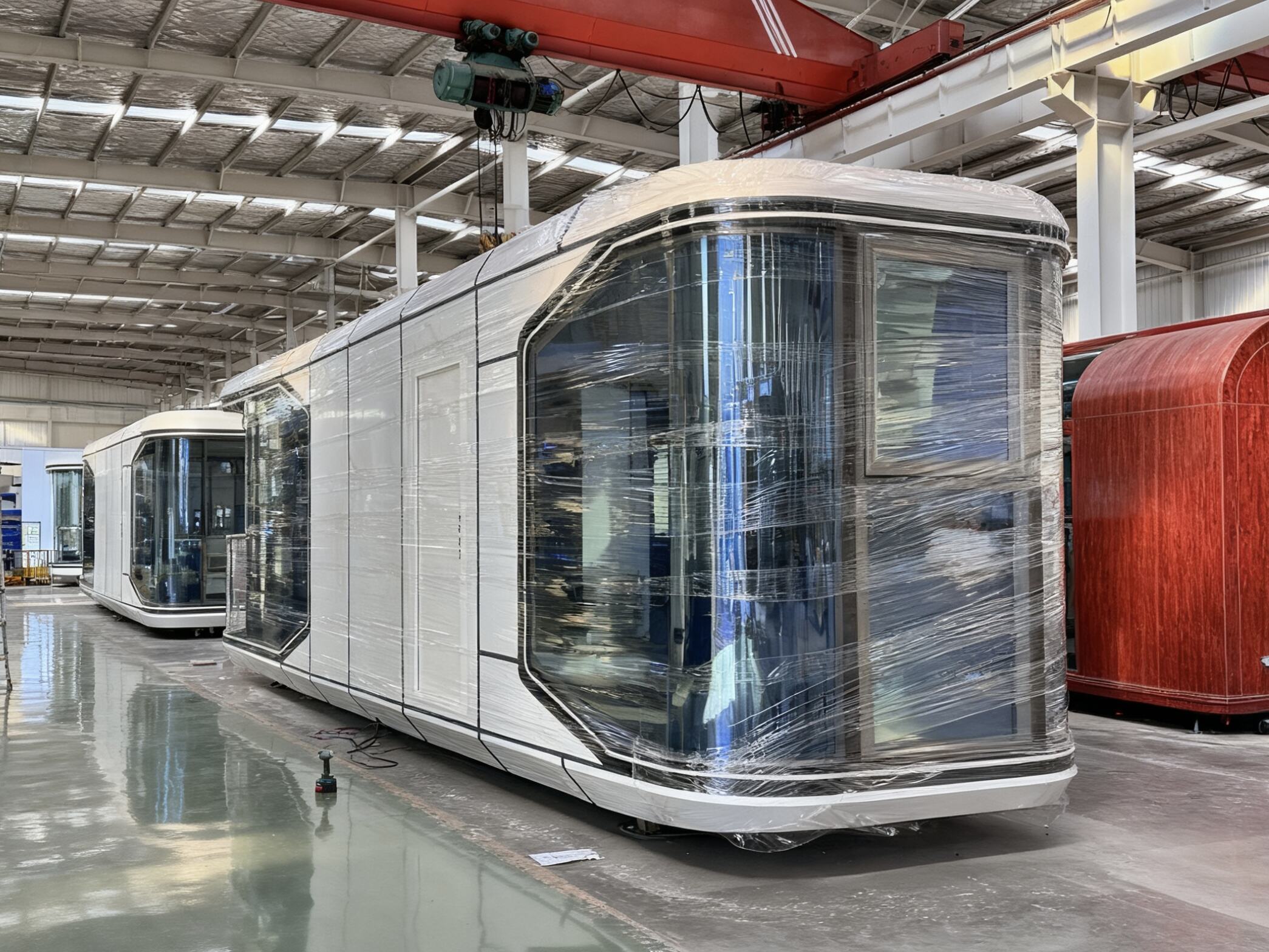
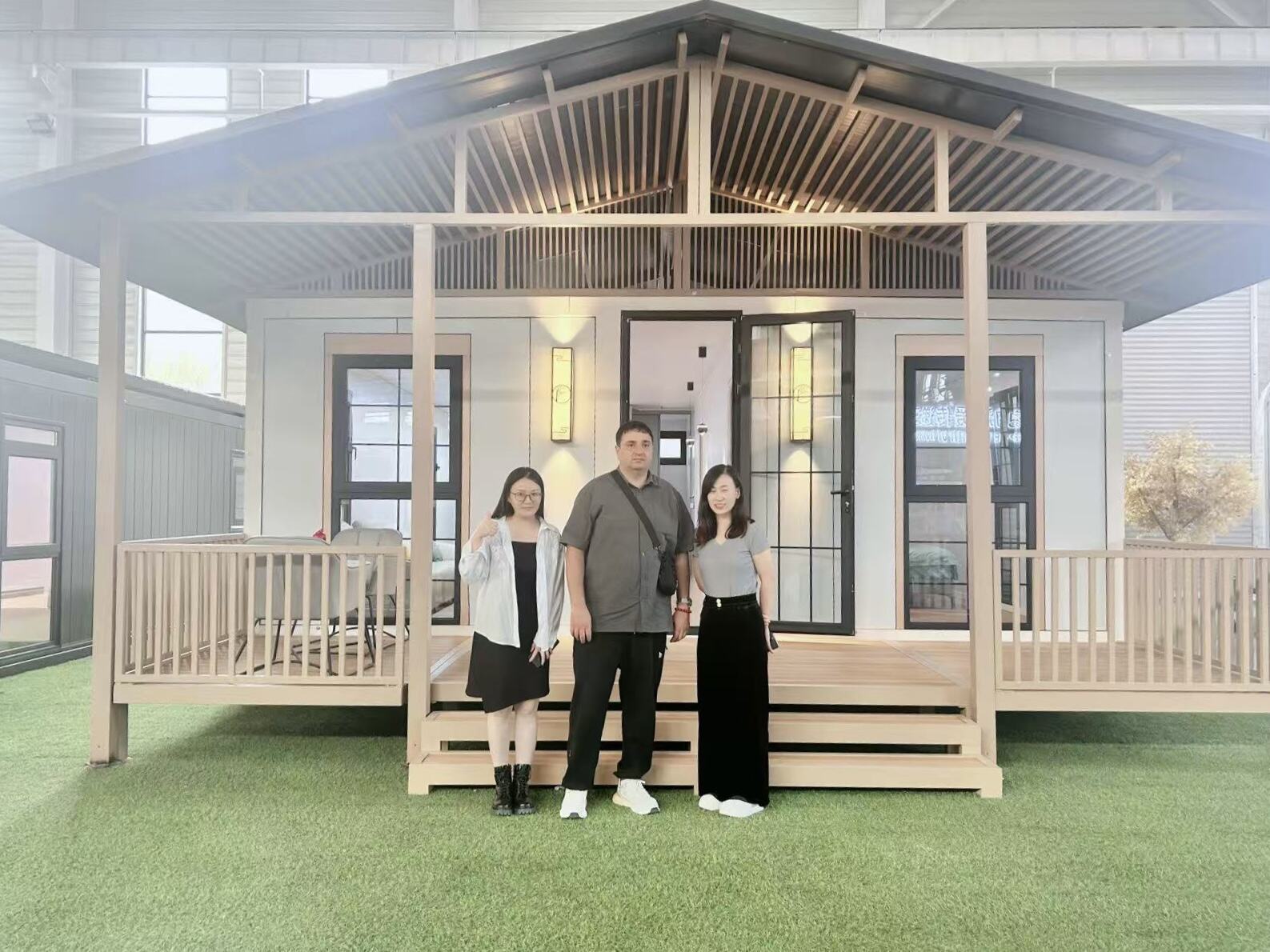
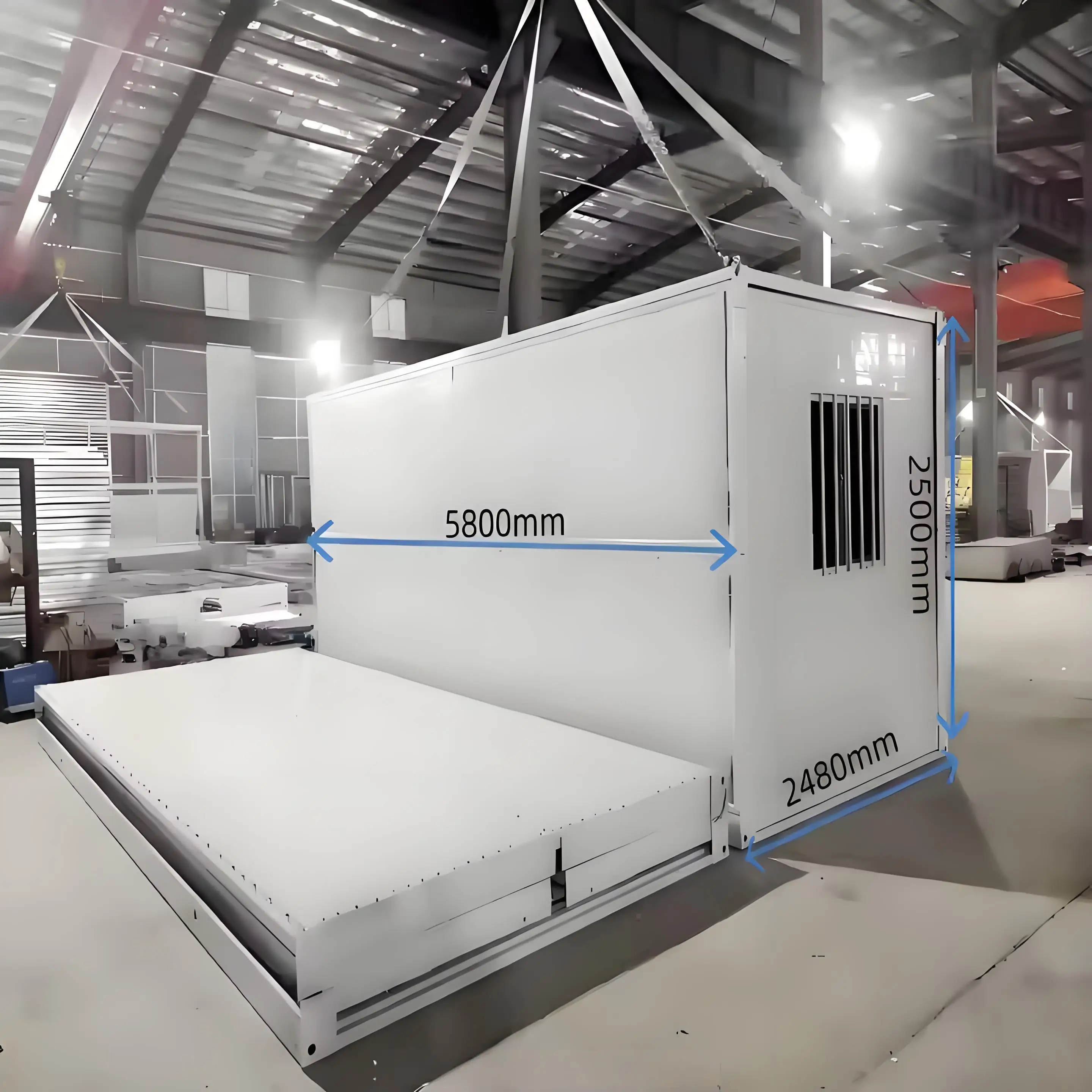
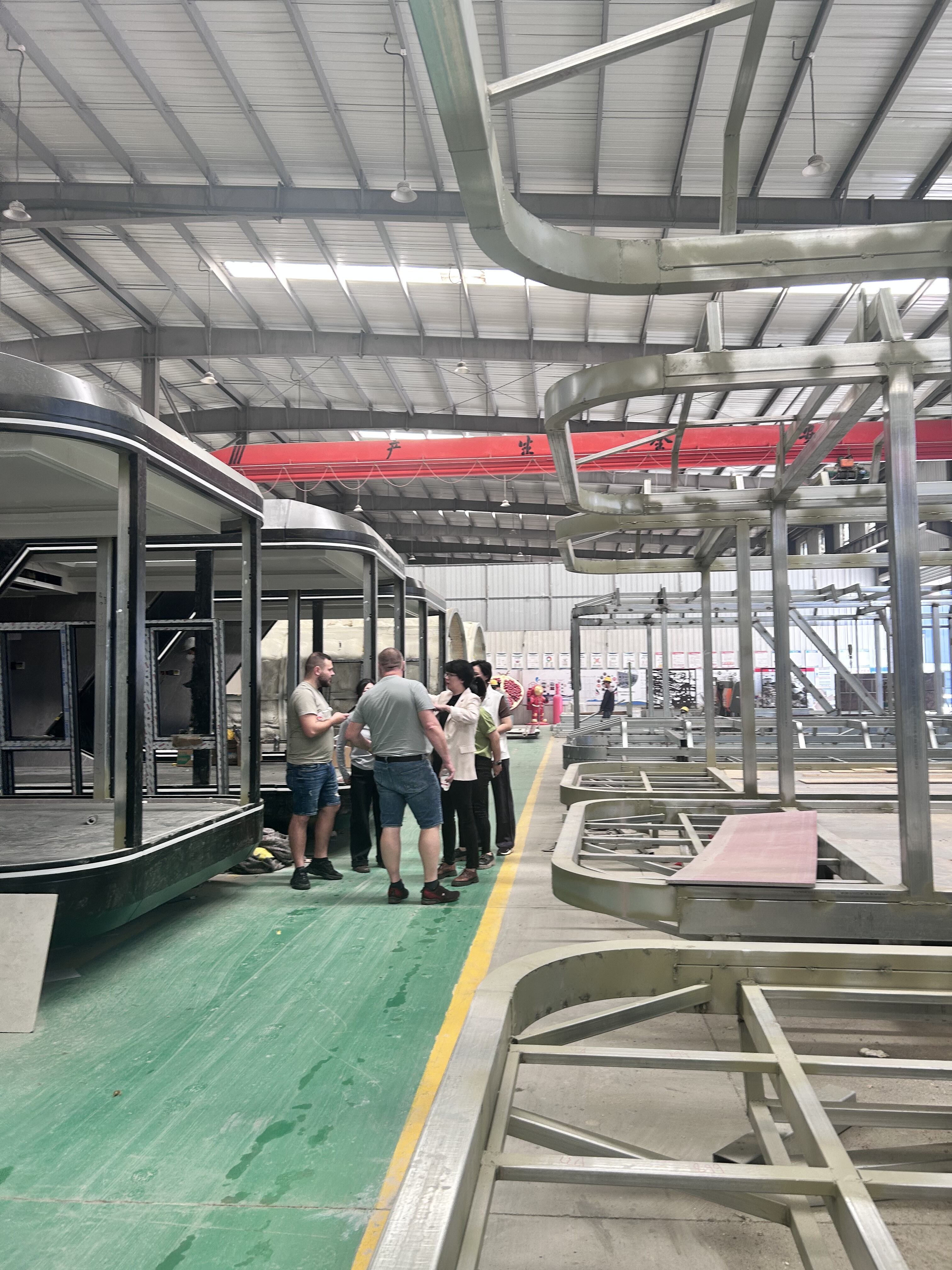
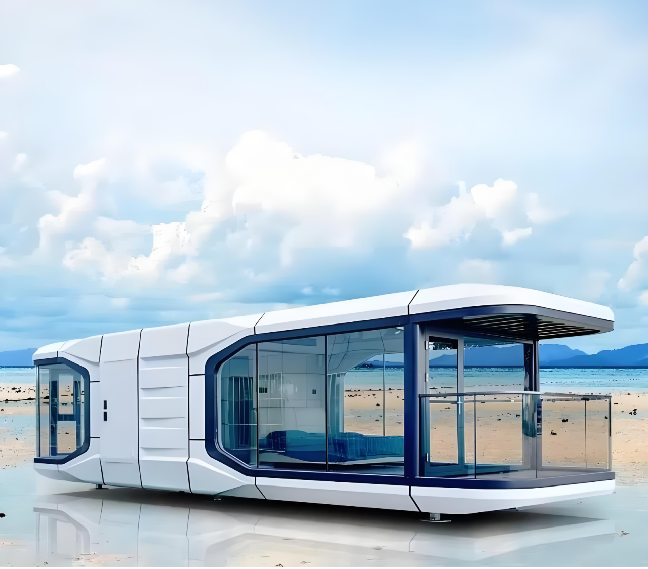
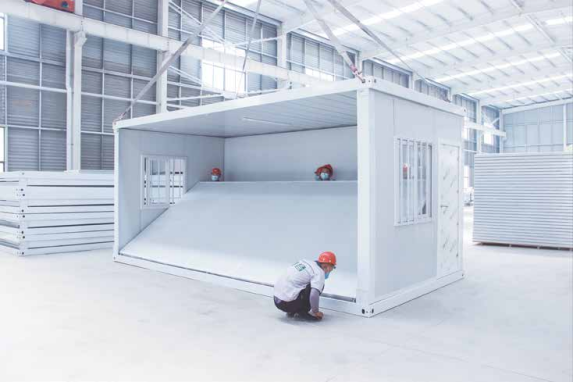
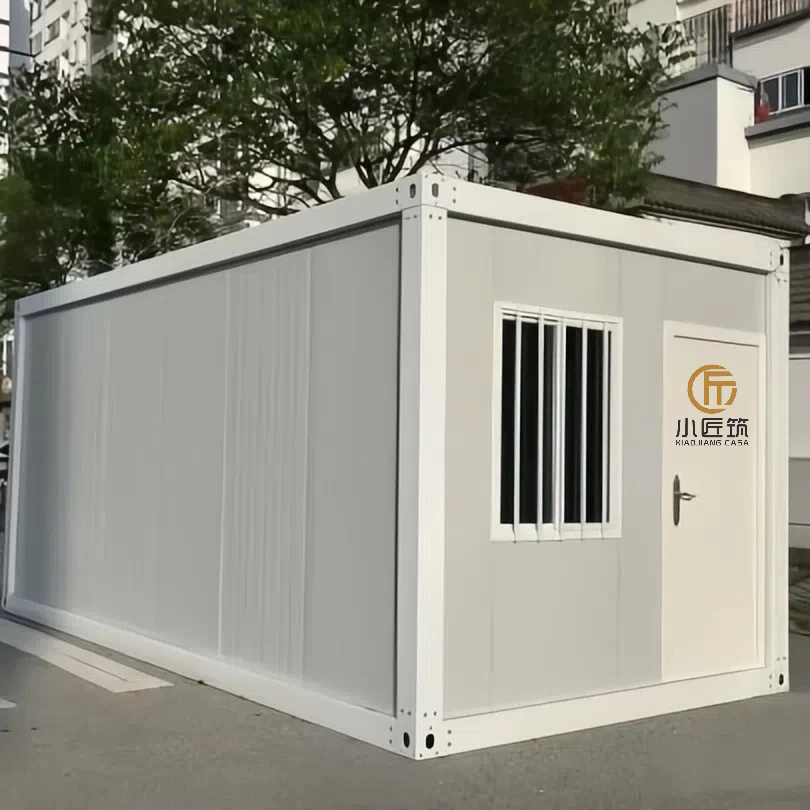
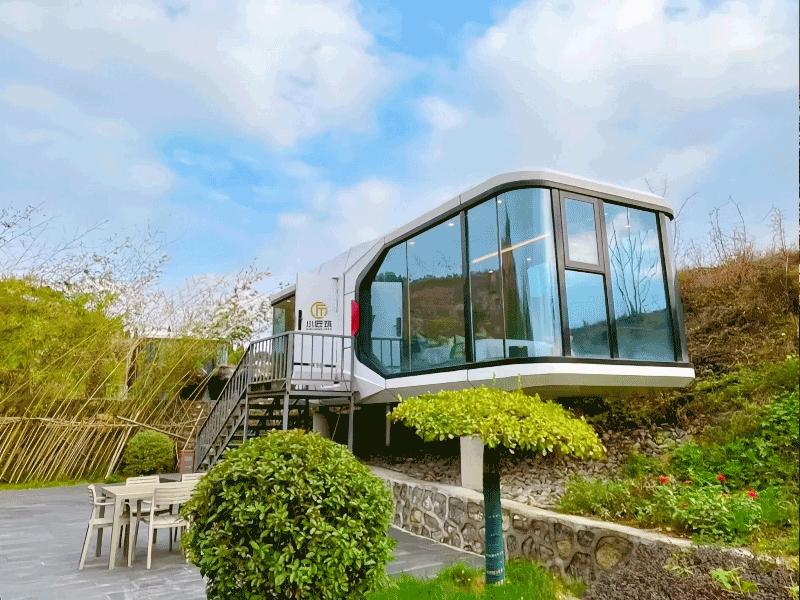
Prefab homes construction represents a revolutionary approach to building that integrates advanced manufacturing techniques with architectural precision, redefining efficiency and quality in the construction industry. At its core, this method involves the production of building components or entire modules in a controlled factory environment, followed by transportation and assembly on-site. This process eliminates many of the inefficiencies associated with traditional on-site construction, such as weather delays, material waste, and inconsistent craftsmanship. In prefab homes construction, every stage is meticulously planned and executed, starting from the initial design phase where computer-aided design (CAD) and building information modeling (BIM) technologies are used to create detailed blueprints. These digital models ensure that each component fits perfectly, reducing errors during assembly. The factory production environment allows for strict quality control measures, with each part undergoing rigorous inspections to meet industry standards and customer specifications. Materials used in prefab homes construction are carefully selected for their durability, sustainability, and performance. High-quality aluminum profiles and stainless steel, for instance, are commonly employed for their resistance to corrosion, lightweight properties, and strength, ensuring the longevity of the structures. Additionally, eco-friendly materials and insulation solutions are integrated to enhance energy efficiency, making prefab homes suitable for various climatic conditions, from cold northern regions to warm tropical areas. On-site assembly is a streamlined process in prefab homes construction, as pre-manufactured modules are transported to the location and joined together with precision. This significantly reduces the construction timeline, often cutting it by half or more compared to traditional methods, which is particularly beneficial for projects with tight deadlines, such as tourism and hospitality developments in scenic areas or commercial housing projects. Moreover, prefab homes construction offers exceptional flexibility in design, allowing for customization to meet diverse architectural styles and functional requirements. Whether it’s a cozy mountain lodge, a modern urban dwelling, or a scenic resort accommodation, prefab construction can adapt to different aesthetic preferences and spatial needs. The modular nature of prefab homes also enables easy expansion or modification in the future, providing long-term value and adaptability. Safety is another paramount aspect of prefab homes construction. Factory-produced components undergo rigorous testing for structural integrity, ensuring they can withstand various environmental stresses, including strong winds, heavy snow, and seismic activities. Compliance with local building codes and international standards is strictly maintained, giving homeowners and developers peace of mind regarding the safety and reliability of the structures. In terms of sustainability, prefab homes construction minimizes environmental impact through reduced material waste, as factory production allows for precise material cutting and reuse of scraps. The controlled manufacturing process also reduces on-site noise, dust, and pollution, making it an eco-friendly choice for environmentally sensitive areas. Additionally, the energy-efficient design of prefab homes lowers long-term operational costs, contributing to a more sustainable lifestyle for occupants. Overall, prefab homes construction combines innovation, efficiency, quality, and sustainability, making it a preferred choice for modern building projects across residential, commercial, and tourism sectors. Its ability to deliver high-performance, customizable, and cost-effective homes in a shorter timeframe positions it as a key driver in the evolution of the global construction industry.
24
Apr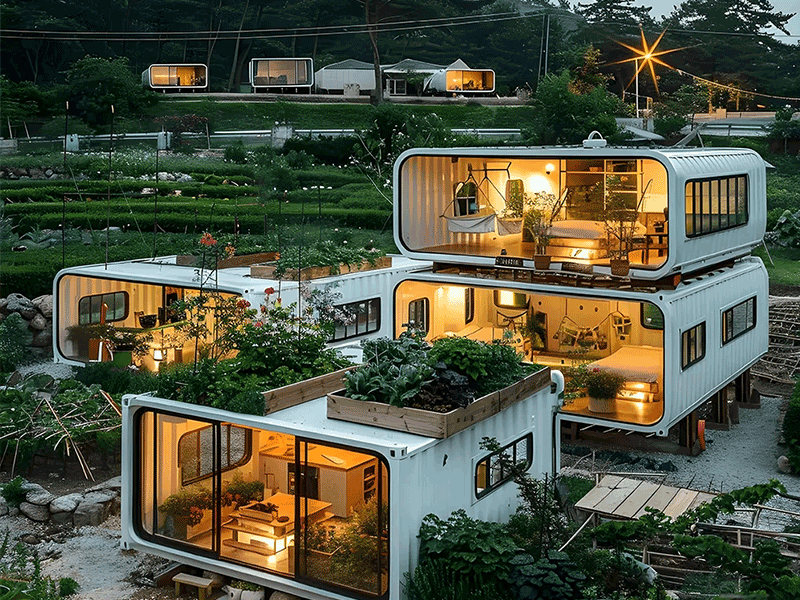
24
Apr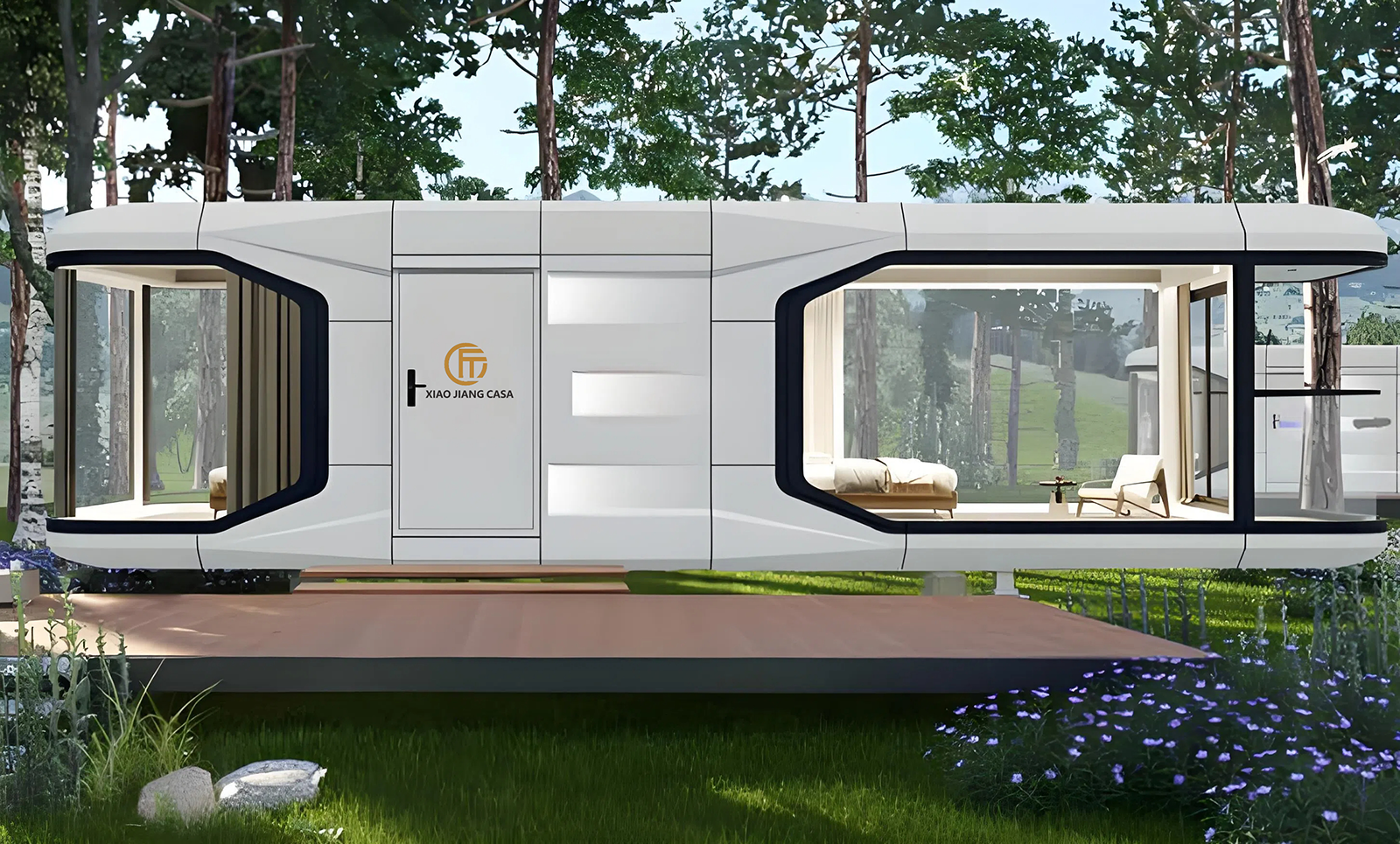
25
Apr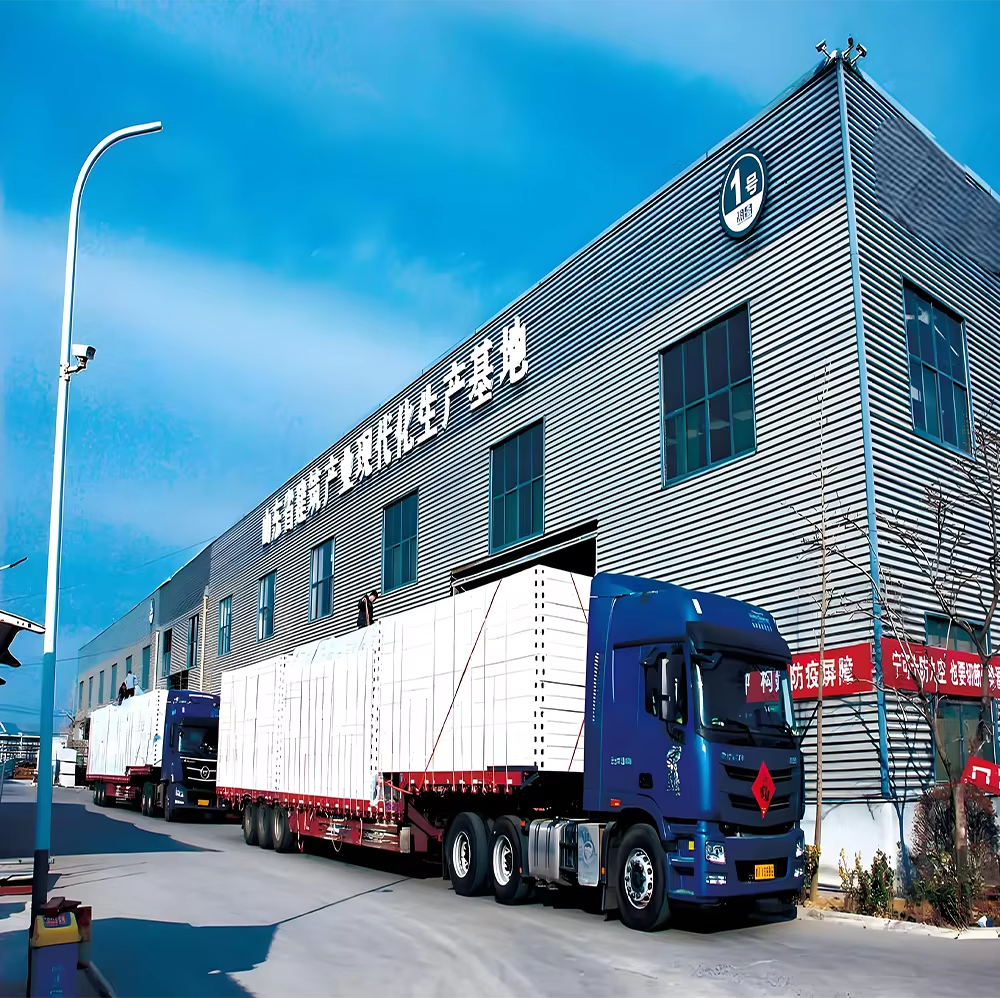
25
Apr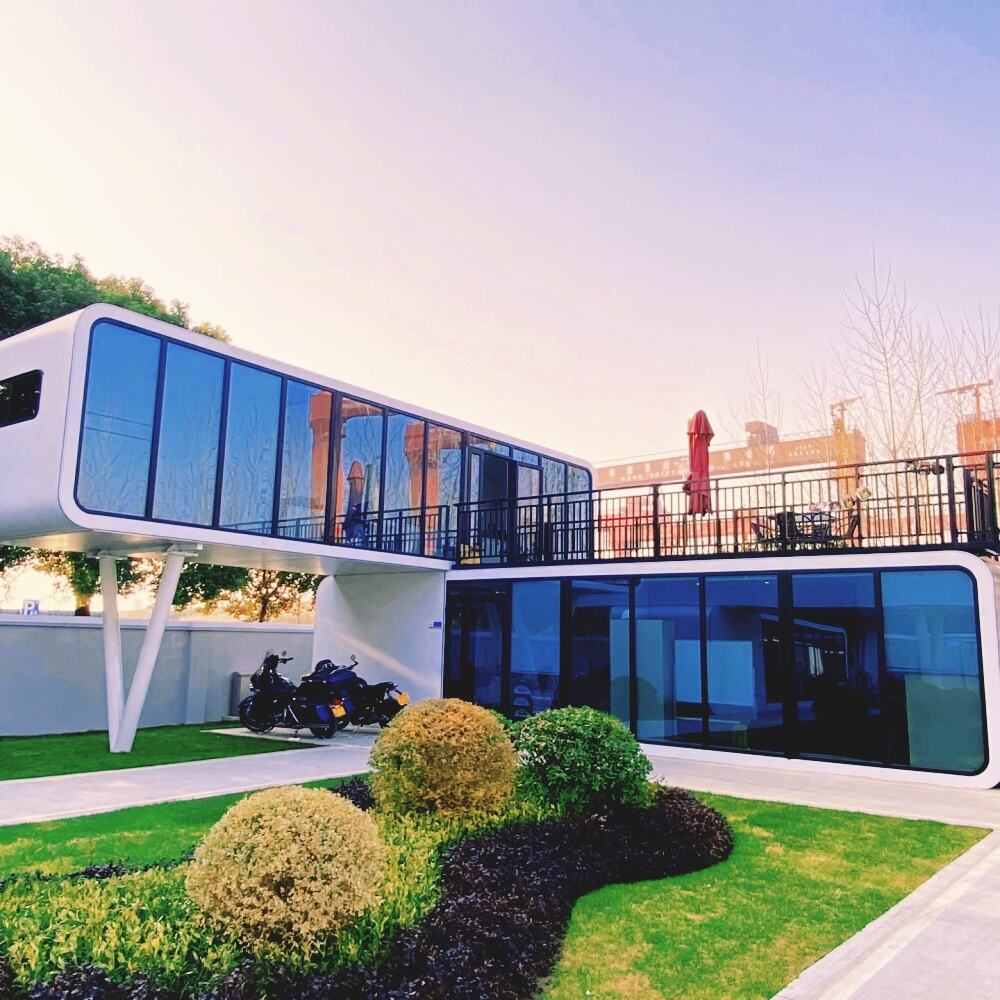
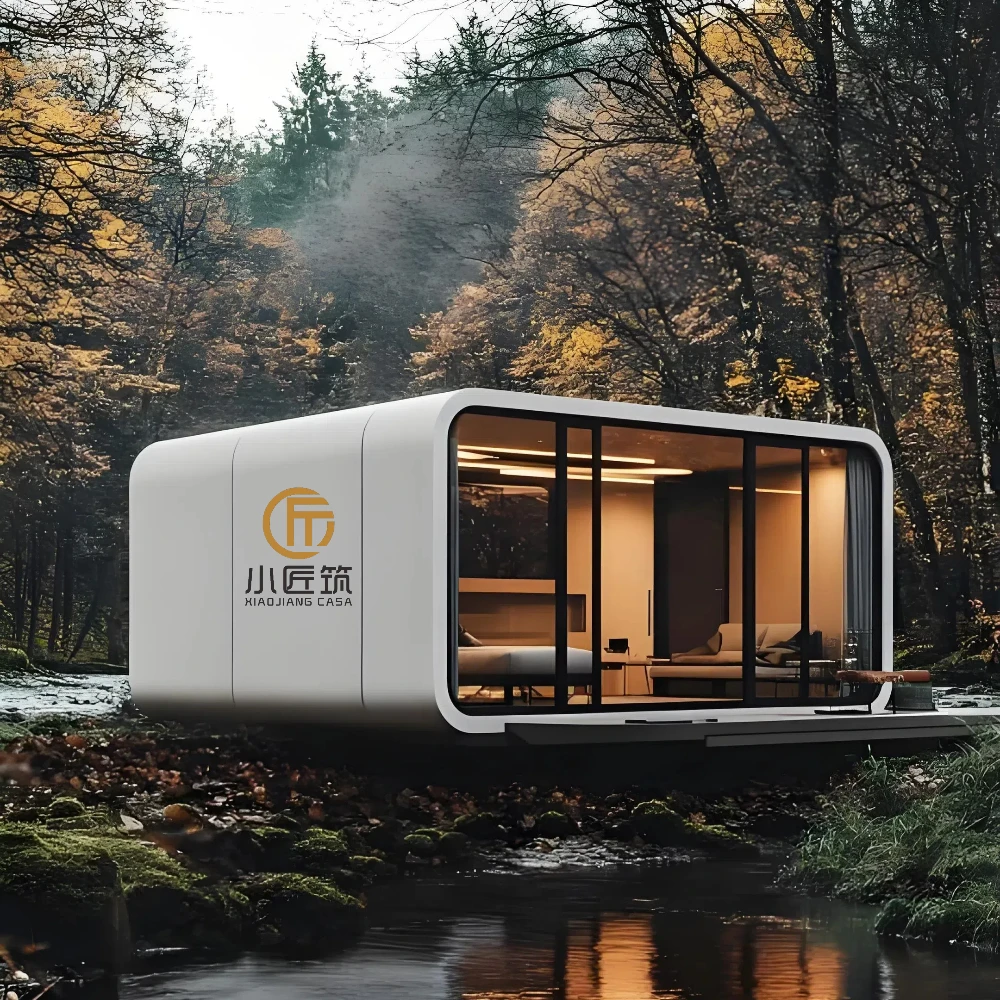
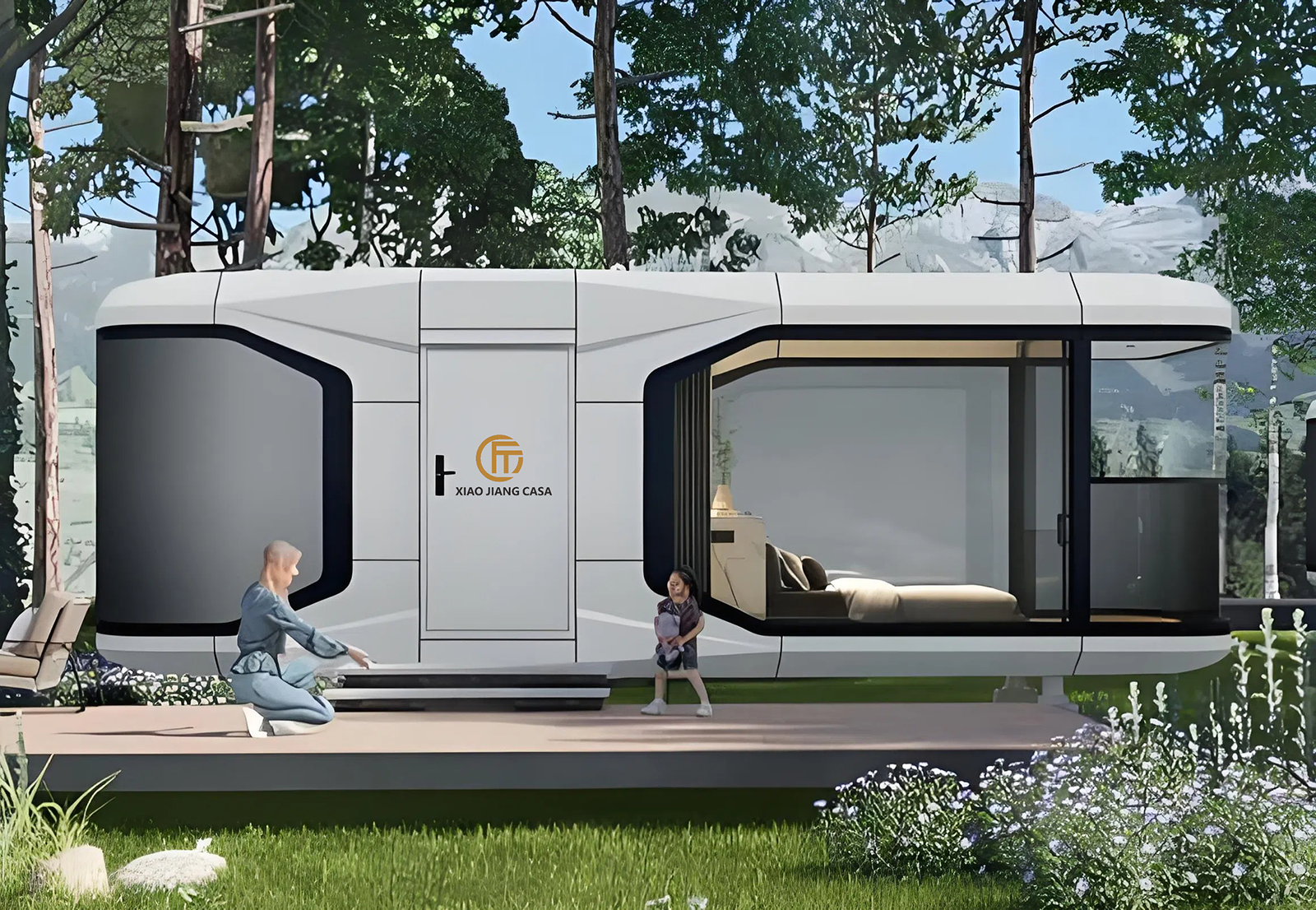
Xiaojiangcasa has a professional design and production team. The technical team strictly controls the product from research and development to implementation, insisting on starting from a professional perspective, innovatively developing future cabin products that are both aesthetically pleasing and practical, and implementing this concept in their work。