EN
EN


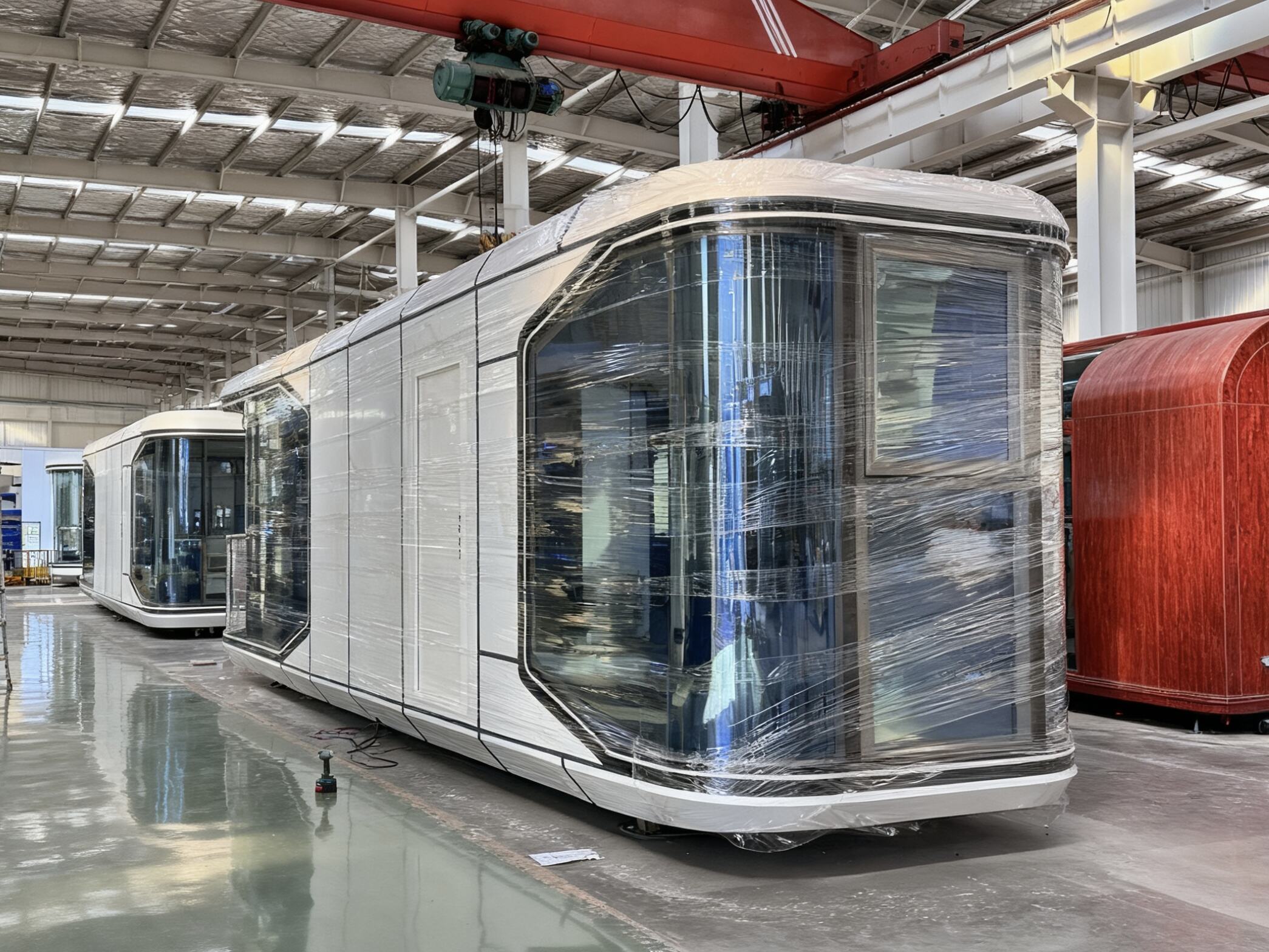
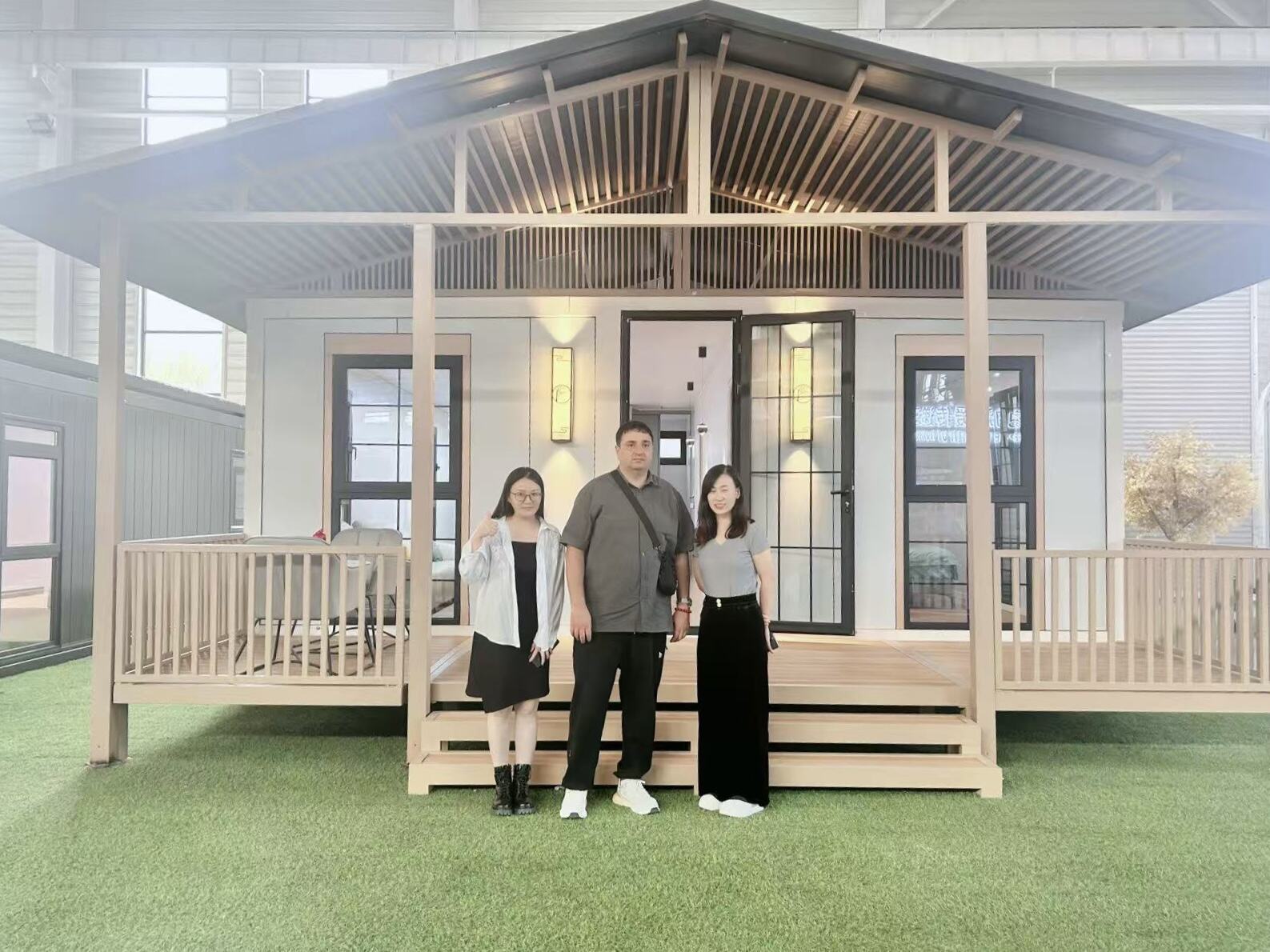
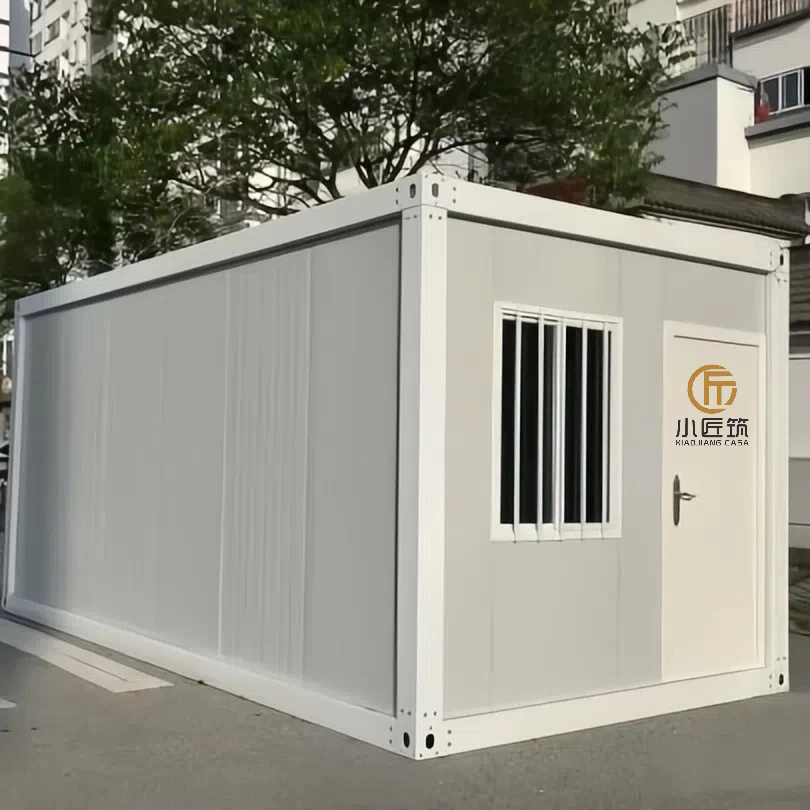
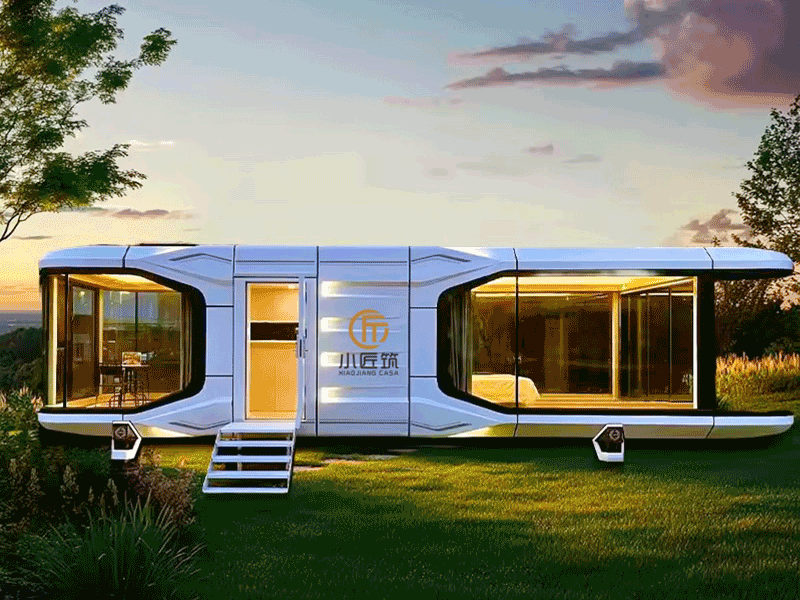
Affordable prefab homes have emerged as a transformative solution in addressing the global housing crisis, offering a cost-effective alternative to traditional on-site construction without compromising on quality, durability, or comfort. These homes leverage the efficiency of off-site manufacturing to reduce production costs, making homeownership and quality housing accessible to a broader range of individuals, families, and communities. The affordability of prefab homes stems from several key factors inherent in their manufacturing process. Unlike traditional construction, which often incurs high labor costs due to extended on-site work, weather delays, and material waste, prefab homes are produced in controlled factory environments. This setting allows for standardized production processes, bulk material purchasing, and efficient workflow management, all of which significantly lower per-unit costs. Factory workers can specialize in specific tasks, increasing productivity and reducing the likelihood of errors that would otherwise lead to costly rework. Additionally, the ability to produce multiple home modules simultaneously reduces overall production time, translating to lower labor expenses and faster project completion, which further contributes to cost savings. Material efficiency is another critical component of affordable prefab homes. In factory settings, materials are measured, cut, and utilized with precision, minimizing waste. Traditional construction often results in significant material loss due to on-site cutting errors, weather damage, or over-ordering, but prefab manufacturing optimizes material usage through advanced planning and computer-aided design (CAD) systems. This not only reduces material costs but also aligns with sustainable practices, making prefab homes an eco-friendly choice that appeals to budget-conscious buyers concerned about environmental impact. Affordable prefab homes also benefit from economies of scale. Manufacturers producing prefab homes in large quantities can negotiate better prices with material suppliers, passing these savings on to customers. This bulk purchasing power extends to fixtures, appliances, and building components, ensuring that even high-quality materials and finishes remain within reach for affordable housing projects. Furthermore, the modular nature of prefab homes allows for flexible design options, enabling buyers to choose configurations that fit their budget without sacrificing essential features. For example, smaller module sizes or simplified interior finishes can reduce costs, while still providing a safe, functional living space. Beyond production costs, affordable prefab homes offer long-term financial benefits to homeowners. Their energy-efficient design, often incorporating insulation, energy-saving windows, and sustainable heating and cooling systems, reduces monthly utility expenses. Many prefab homes are also built with durable materials such as aluminum and stainless steel, which require less maintenance and have longer lifespans compared to traditional construction materials, lowering long-term repair and replacement costs. These factors contribute to overall affordability by reducing the total cost of homeownership over time. Affordable prefab homes are not limited to basic, one-size-fits-all designs; they encompass a range of styles and configurations to meet diverse needs. From compact single-family homes ideal for first-time buyers to multi-module units suitable for larger families or rental properties, prefab manufacturers offer customizable options that balance cost and functionality. This versatility makes affordable prefab homes suitable for various applications, including low-income housing developments, rural communities, and urban infill projects, addressing housing shortages across different contexts. In summary, affordable prefab homes represent a smart, sustainable approach to housing that combines cost efficiency with quality and flexibility. By leveraging factory manufacturing, material efficiency, economies of scale, and long-term energy savings, these homes make safe, comfortable living accessible to more people, playing a vital role in addressing global housing challenges.
24
Apr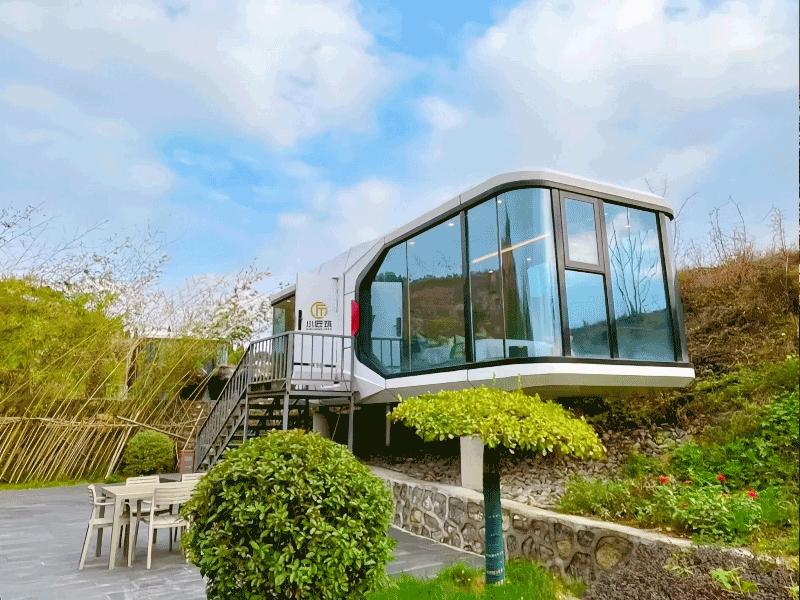
24
Apr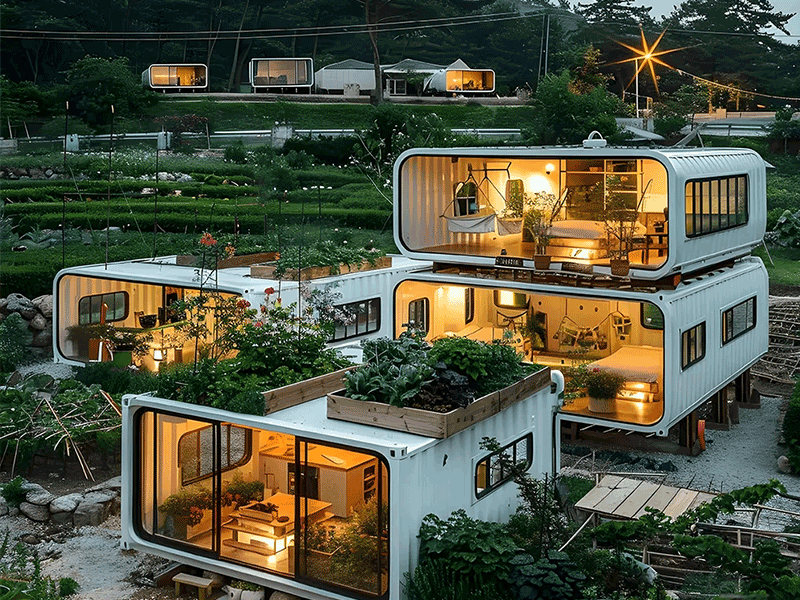
24
Apr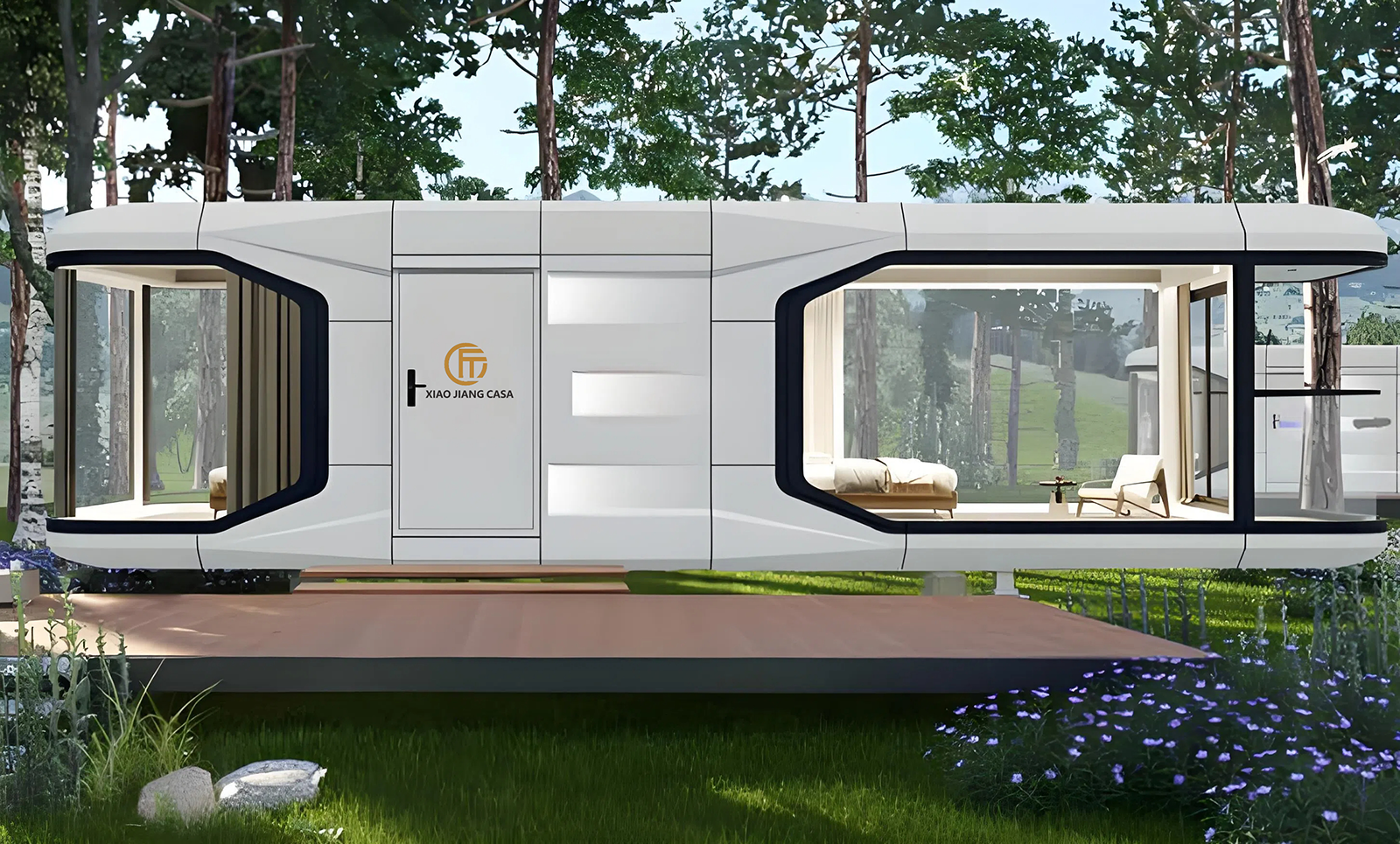
25
Apr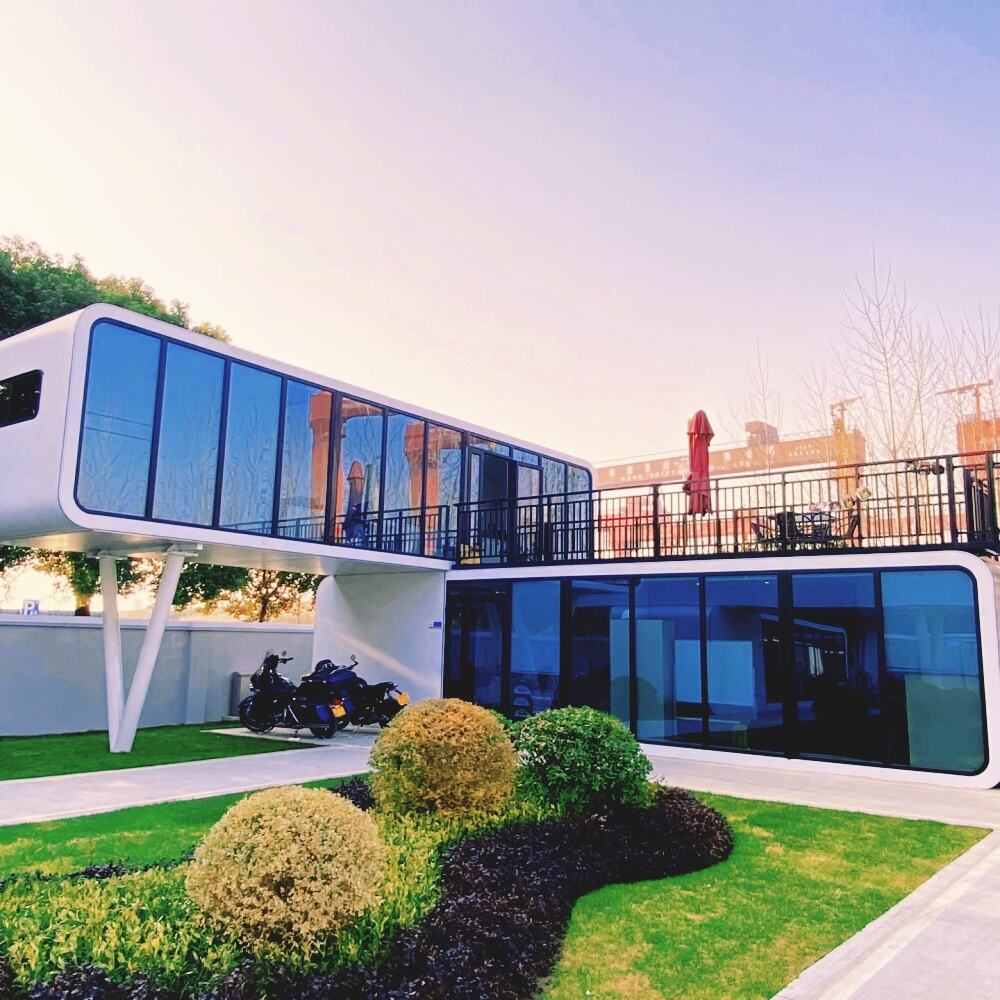
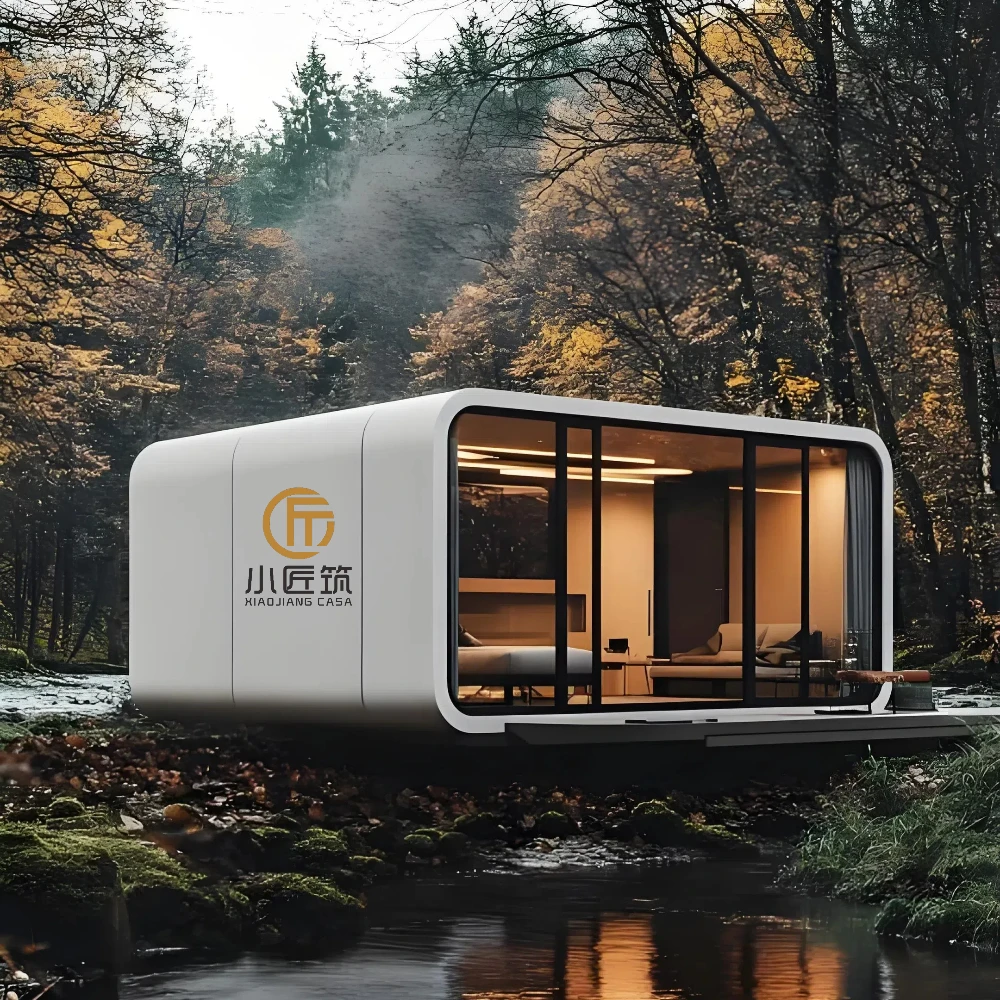
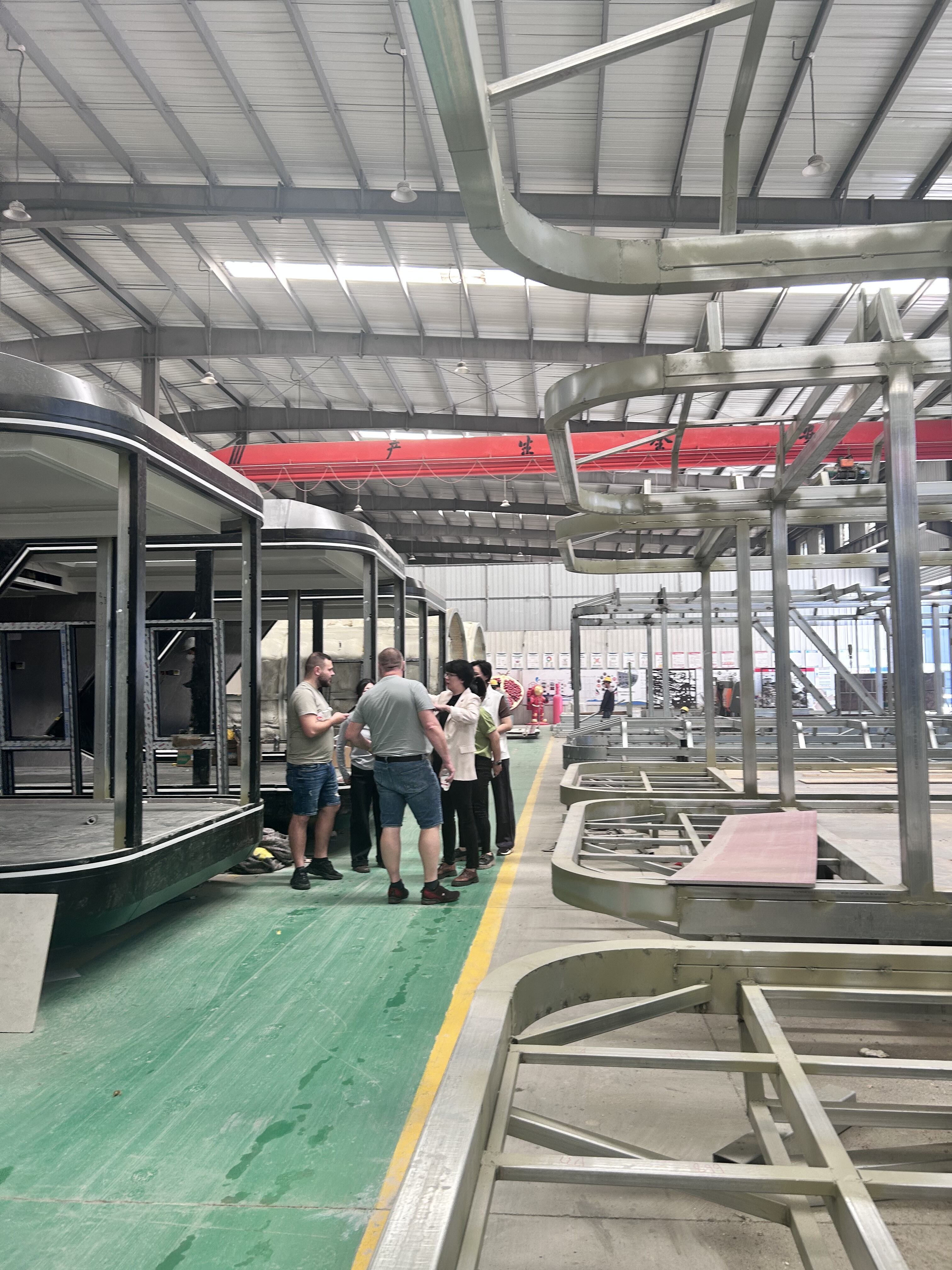
Xiaojiangcasa has a professional design and production team. The technical team strictly controls the product from research and development to implementation, insisting on starting from a professional perspective, innovatively developing future cabin products that are both aesthetically pleasing and practical, and implementing this concept in their work。