EN
EN


Faster Construction Timeline with Modern Prefab Houses
Off-site precision manufacturing cuts build time by 30–50% vs. traditional construction
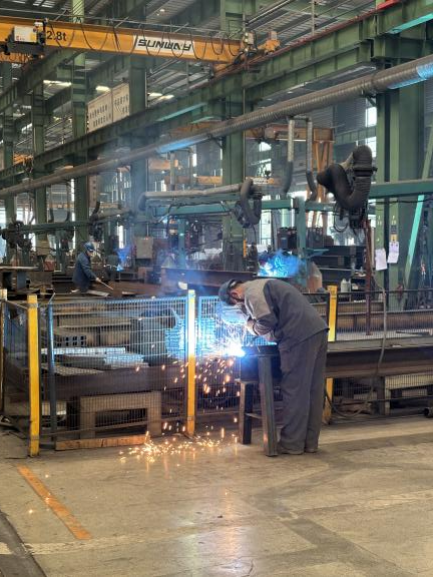
Prefab homes speed things up because they're made in factories where parts get produced with machines in controlled settings. No more waiting around for rain or snow to stop, and fewer mistakes happen compared to regular building projects where schedules often get pushed back. The Modular Building Institute reported last year that these off-site techniques can cut down how long projects take by about 30 to 50 percent. How? While workers are getting ready with the foundation at the actual site, other teams back at the factory are already making walls, floors, and roofs all at once. When everything arrives on site, the precision cuts and special tools used during manufacturing mean pieces just snap together nicely without needing fixes that would normally eat up weeks of time in traditional construction. Plus, buying materials in bulk and sticking to standard plans makes the whole process run smoother, so what used to take years now gets done within a few months instead.
Weather-independent assembly and streamlined on-site installation
Building in factories keeps things moving forward no matter what's happening outside, so those frustrating seasonal delays that hold up regular construction for weeks just don't happen anymore. When these ready-made modules arrive at the site they already have all the insulation, windows installed, and even the mechanical, electrical, and plumbing systems tested out beforehand. Cranes then snap them together pretty quickly. According to the National Association of Home Builders from 2023, this method cuts down on site labor somewhere between 60 to 80 percent because there aren't as many different tradespeople needed for putting everything together at the end. What makes this system so efficient? Well, the inside walls come finished already, needing just minor fixes here and there. All those important systems like heating, wiring, and pipes get checked thoroughly before shipping. Plus there's way less mess with materials getting moved around and wasted. Since most of the actual building happens offsite, neighborhoods experience far less disturbance during construction. And best of all, buildings can be completely weatherproofed in just a few days instead of weeks.
Cost Efficiency of Modern Prefab Houses
Standardized designs, bulk procurement, and reduced labor overhead
Prefab homes today save money mainly because they use standardized designs and benefit from controlled factory conditions. When everything gets made in one place, companies can buy materials in bulk for about 15 to 20 percent less than what contractors pay when shopping around construction sites. Plus, the whole building process moves much faster too - typically cutting down construction time by anywhere from 30 to nearly half compared to regular stick-built houses. Workers don't lose days waiting for rain to stop or fixing mistakes either, which keeps labor costs down. Another big plus? Waste goes way down too. Prefab operations usually end up with less than 5% leftover materials, whereas traditional builders often throw away between 25 and 30%. This means better bottom line numbers and cheaper square footage overall for anyone looking to build affordably these days.
Lower cost per square foot: benchmark data from NAHB 2023 and industry averages
Quantifiable cost advantages make modern prefab houses a compelling choice for budget-conscious homeowners. Industry data shows:
- Average savings of $50–$150 per square foot versus conventional builds
- 10–25% lower total project costs, per the NAHB 2023 Construction Cost Report
- Reduced financing costs due to shorter construction timelines
This pricing efficiency stems from manufacturing scale, precision material use, and minimized labor inefficiencies—delivering high-quality, code-compliant homes at accessible price points.
Superior Energy Efficiency and Sustainability in Modern Prefab Houses
Advanced thermal envelope: high R-value insulation, air-tightness, and passive design integration
Prefab homes today are really good at saving energy thanks to their carefully designed thermal envelopes. These homes often have insulation with much higher R-values than what building codes require usually around 20 to 40 percent better. This helps keep heat from escaping through walls and ceilings. At the same time, builders use special sealing methods that stop air leaks which can account for almost half the energy wasted in regular houses built on site. When combined with smart solar design ideas like placing windows where they get the most sun and using materials that store heat well, these homes maintain comfortable temperatures without needing as much artificial heating or cooling. Homeowners typically see around 60% less need for heating and cooling systems compared to traditional homes. This means not only do people stay warmer in winter and cooler in summer, but they also spend less money on utilities over time and don't need such big HVAC systems installed.
Reduced construction waste (up to 90% less material scrap) and lifecycle sustainability benefits
Manufacturing under factory control really boosts how efficiently resources get used. When machines handle the cutting and plan materials in bulk, waste drops down to below 5%. Traditional building methods often leave behind over 30% scrap material. The accuracy of these processes, plus the growing trend toward using recycled stuff and materials with lower carbon footprints, cuts down on the total carbon embedded in each house by about 15 metric tons. Builders also include features that last longer for sustainability, such as roofs ready for solar panels and ventilation systems that recover heat. All these factors make today's prefabricated homes practical options for people who care about the environment and want real improvements both environmentally and operationally.
Consistent Quality and Precision in Modern Prefab Houses
Modern prefab houses deliver unparalleled construction consistency through factory-controlled manufacturing. Each component undergoes rigorous quality checks at multiple production stages, enabling millimeter-level precision unattainable with traditional on-site building. This process eliminates weather-related compromises and reduces human error by 40–60% compared with field-built construction, ensuring structural components align perfectly every time.
The controlled environment supports standardized assembly of walls, floors, and roofs using calibrated machinery—resulting in:
- Fewer air leaks through superior joint sealing and consistent panel alignment
- Optimized material usage with ≤5% waste versus 25–30% on conventional sites
- Faithful, repeatable replication of architectural designs across units
Manufacturers verify dimensional tolerances within ±1.5mm using laser-guided systems—preventing issues like uneven foundations or misaligned fixtures. Longitudinal studies show these homes retain 95% dimensional accuracy over decades, translating into lower maintenance costs, predictable performance, and stronger long-term value for homeowners.