EN
EN


Capsule Home Installation: Speed, Simplicity, and Site Readiness
Timeline from Delivery to Occupancy: How Fast Is Capsule Home Setup?
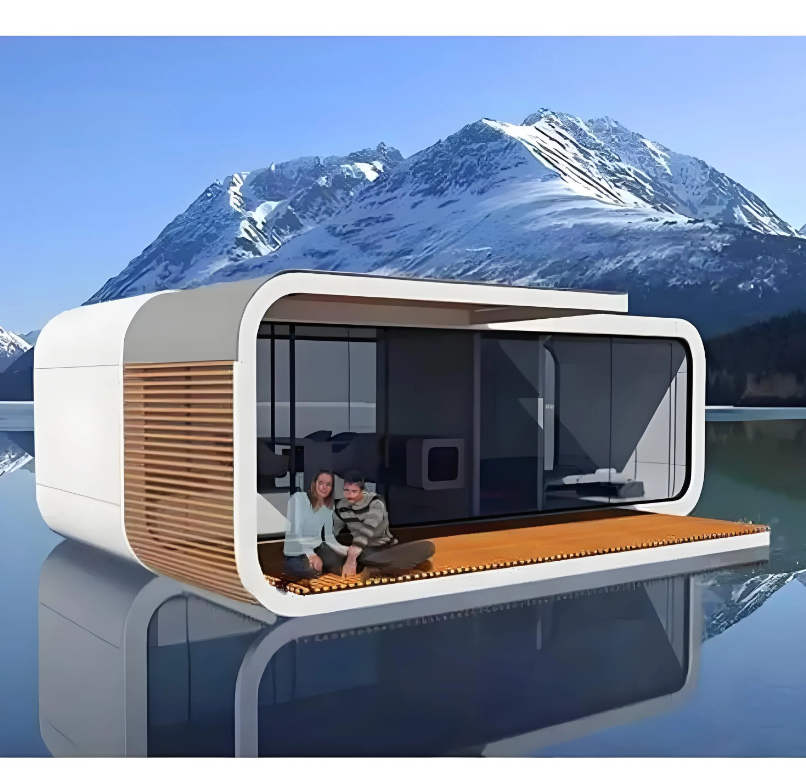
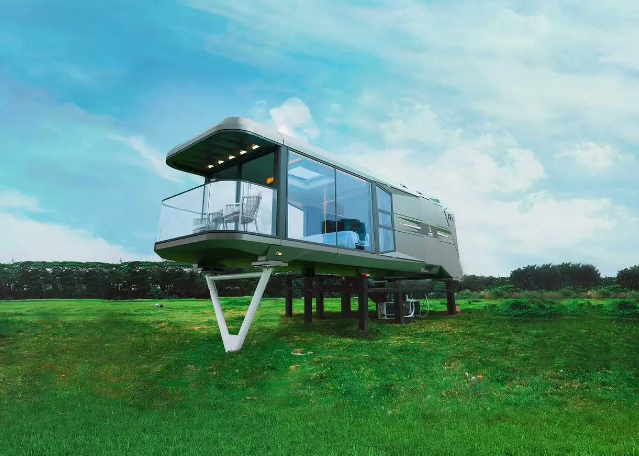
Getting capsule homes installed takes just days rather than stretching into months like regular construction projects. These modules are built in factories first, so when they arrive on site, they're almost ready to go. All that's needed is craning them onto basic footings and connecting utilities. Traditional stick-built houses take forever by comparison, often running between nine to fifteen months according to census stats. What really speeds things up? No need for deep concrete foundations, everything from wiring to pipes already integrated inside those factory walls, plus cranes that help unfold and position each module right where it belongs. On good terrain with no weird obstacles, folks have moved into these homes sometimes within two full days after delivery arrives at their property line.
DIY Feasibility vs. Professional Installation: What Level of Expertise Is Required?
Capsule homes might look simple enough at first glance, but getting them installed right usually needs pros on the job. Things like operating cranes, securing structures properly, and hooking up utilities all demand special training and certification. Trying to do these yourself can lead to problems down the road. Improper leveling creates stress points in the structure, there's always the chance of running afoul of building codes when dealing with electricity or plumbing, and worst case scenario? Voided warranties from the manufacturer. Most companies selling these homes actually bundle installation services with their packages, sending out teams familiar with how each specific model should go together. For folks who still want to get their hands dirty, sticking to things like painting exteriors or making minor changes inside that don't affect structural integrity makes sense. But before starting anything, check what the local rules say. Some areas require licensed professionals for any dwelling considered permanent residence.
Key Logistical Requirements for Capsule Home Installation
Site Preparation, Crane Access, and Utility Hookup Essentials
Getting the land ready for a capsule home involves proper grading work and compacting the soil so nothing shifts around later on. The roads where cranes will operate need to handle heavy equipment too - we're talking about rigs that carry around 1.5 tons of weight. And there needs to be enough vertical space above ground level, at least 20 feet clear from anything hanging overhead like tree branches or power lines. When it comes to utilities, all those underground connections require careful planning. Electrical wires need their own pathways, water pipes should go deep enough below frost line (around 36 inches minimum works in most areas). For waste disposal options, builders typically choose between installing a traditional septic tank system or connecting to city sewer lines if available nearby. According to some recent industry data, when these utility installations are done right from the start, homeowners end up dealing with roughly two thirds fewer problems after everything gets installed compared to projects where utilities were rushed through.
Navigating Zoning, Permits, and Regulatory Compliance for Capsule Homes
Zoning regulations around here can be all over the map. About three out of four counties in the US consider capsule homes as accessory dwelling units or ADUs for short, which usually means keeping them at least five to fifteen feet back from property lines. If someone wants to build near the coast or in an area prone to flooding, they'll need to raise the foundation above ground level. And folks building in places where wildfires are common better stick with materials that won't catch fire easily. Getting permits generally takes between two and eight weeks, though organizations such as the International Code Council have programs that speed things up when builders use their approved modular designs. Don't forget to check what neighborhood associations say either. Roughly a third of these groups flat out ban anything that doesn't look traditional, even if the local government says it's okay.
Capsule Home Maintenance: Low Effort, High Durability
Material-Specific Upkeep: Steel, Aluminum, and Composite Longevity
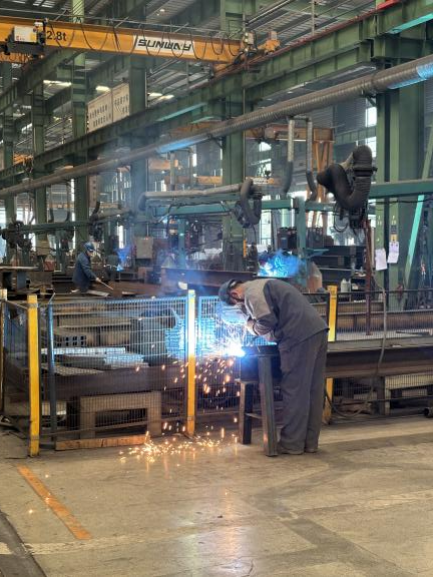
Capsule homes are built using special materials that don't require much maintenance and last for years without issues. The steel frames inside these homes have been treated against rust, so they basically just need someone to look them over once a year for any signs of wear or damage. For the outside surfaces, aluminum covering stays looking good simply by washing it down with soapy water when needed. No need to repaint ever again! Then there's those composite panels which are pretty amazing actually. They offer both strength and good insulation properties. People usually check the seals between panels every two years or so to make sure water doesn't get in through the cracks. Compared to traditional materials like wood or stucco, these modern options hold up much better in all kinds of weather conditions, whether it's freezing cold or sweltering hot. Homeowners find themselves spending less money on fixes and replacements, which means their investment lasts far longer than expected.
Annual Maintenance Costs and Frequency Compared to Traditional Homes
Maintenance costs for capsule homes run about 40 to 60 percent lower each year compared to regular houses. Traditional homes need checking every three months for things like roofs, paint jobs, and foundation issues, while capsule homes generally just need a professional look over every two years. Their simple design cuts out all those annoying regular tasks nobody really wants to do gutters getting clogged, repainting the outside, replacing caulk, fixing rotting wood around doors and windows. Looking at the big picture, homeowners save well over fifteen grand after ten years on maintenance alone. Plus they spend roughly thirty fewer hours per year dealing with home upkeep, as shown in various industry reports on building efficiency.
Ongoing Support and Warranty Coverage for Capsule Homes
When it comes to owning a capsule home, good warranty protection and reliable customer support matter a lot. Most trustworthy builders will give around 10 to 15 years warranty on the main steel or aluminum frame work. They also typically cover finishes and built-in stuff like plumbing and electricity for about five years. The fine print can be tricky though, especially if the home is going to sit near salt water where rust becomes a real problem. Always take time to read through those warranty details before signing anything. Many top companies go beyond just paper promises too. They send regular maintenance reminders through online accounts and promise quick fixes when things break down badly. Some even say they'll get someone out there within two days for serious issues. Studies from independent groups show homes backed by phone support lines cost about 30 percent less in repair bills than ones that only offer email help. All these layers of protection really pay off over time, keeping the home running smoothly without unexpected surprises down the road.