EN
EN


How Modular Houses Cut Direct Construction Costs
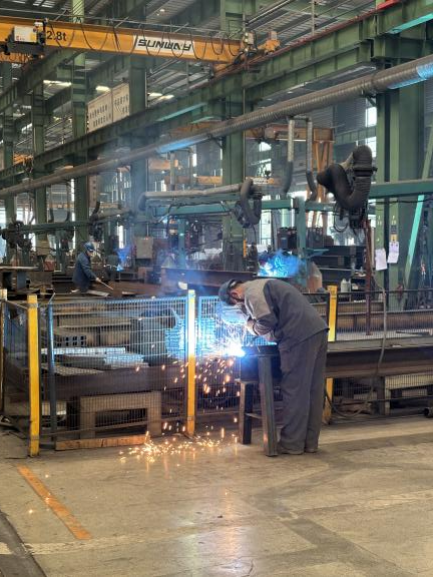
Modular homes deliver significant cost reductions through factory-controlled processes and optimized resource management. By shifting construction indoors, manufacturers eliminate weather delays while achieving precision that minimizes material waste.
Factory precision and bulk material procurement reduce material costs by up to 20%
Assembly-line techniques in climate-controlled facilities enable exact material measurements and cutting, reducing off-cuts by 15–20% compared to traditional sites (Construction Innovation Report 2023). Centralized purchasing allows bulk buying of lumber, fixtures, and finishes at wholesale rates—savings passed directly to buyers. This dual approach of waste reduction and volume discounts delivers consistent material cost savings:
| Cost Factor | Traditional Build | Modular House | Savings |
|---|---|---|---|
| Material Waste | 15–30% | 5–10% | ≥ 10% |
| Bulk Purchasing | None | Volume discounts | 8–12% |
Labor efficiency gains: standardized workflows and reduced on-site labor hours lower labor expenses
Factory settings enable specialized crews to perfect repetitive tasks, accelerating build times while reducing errors. With 60–70% of construction completed offsite, on-site labor requirements drop sharply—a key factor in lowering total labor costs by up to 30%. Standardized workflows also diminish the need for highly paid skilled tradespeople at the installation site, as modules arrive with pre-installed electrical, plumbing, and finishes. This labor model cuts both time expenditures and wage overheads simultaneously.
Predictable Budgeting: Why Modular Houses Minimize Cost Overruns
Controlled factory environment slashes change orders, rework, and weather-related delays
Factory settings eliminate weather risks and standardize workflows—minimizing design alterations, material wastage, and last-minute adjustments. Precision engineering reduces construction errors by 30% compared to on-site building, and fixed processes prevent unexpected delays that inflate traditional project budgets.
92% of modular house projects finish within 5% of original budget vs. industry average of 45% overruns for traditional builds
Modular construction delivers unprecedented budget certainty. Industry data reveals 92% of modular projects stay within 5% of initial estimates—compared to a 45% average cost overrun for traditional builds. This 40-point gap stems from standardized factory workflows, bulk procurement, and reduced financing durations, all of which compress overall project costs.
Time Savings Translate Directly to Lower Total Project Costs
30–50% faster build timelines reduce financing, site overhead, and labor carry costs
Modular house construction delivers 30–50% faster project completion than traditional methods through parallel workflows: factory manufacturing occurs simultaneously with site preparation. This acceleration directly lowers total costs in three key areas:
- Financing expenses decrease with shorter loan durations, reducing interest payments by thousands
- Site overhead costs (security, equipment rentals, utilities) drop proportionally to the shortened timeline
- Labor carry costs decline through minimized on-site hours, lowering wage bills and overtime
The factory-controlled environment prevents weather delays and subcontractor coordination issues, enabling precise scheduling that slashes contingency budgets. Industry data confirms that each month saved reduces carrying costs by 1–2% of total project value. Simultaneously, faster occupancy enables earlier revenue generation from rental income or operational use. These cumulative efficiencies transform time savings into measurable budget reductions—making modular construction a strategic financial choice despite potential upfront premiums. Reduced on-site activity also lowers insurance premiums and community disruption penalties.
Hidden Cost Advantages of Modular Houses Beyond Upfront Pricing
While modular construction is renowned for reducing material and labor expenses, its financial advantages extend beyond initial pricing into operational efficiencies that lower overall project expenditures. Factory-controlled workflows minimize resource waste through precision cutting and bulk material recycling, reducing landfill volumes by up to 90% and significantly cutting disposal fees compared to traditional construction.
Reduced waste disposal fees, insurance premiums, and permitting complexity
The inherent efficiencies of modular building deliver secondary cost savings through three key channels:
- Waste management: Centralized material handling cuts landfill contributions by 80–90%, lowering disposal costs by an average of $7,400 per project
- Insurance savings: Shorter on-site assembly periods reduce builder’s risk insurance premiums by 15–25% by decreasing exposure to weather damage and theft
- Streamlined permitting: Standardized modules pre-certified to national codes simplify local approval processes, cutting administrative delays by 3–5 weeks and avoiding associated carrying costs
These operational efficiencies demonstrate how choosing a modular house creates compounding value throughout the project lifecycle—transforming process advantages into measurable financial returns.
FAQ
What are the main cost savings when building a modular house?
Building a modular house can reduce construction costs through minimized material waste, bulk purchasing, reduced labor hours, and greater efficiency in weather-independent manufacturing processes.
How do modular houses help avoid cost overruns?
Modular houses minimize cost overruns through controlled factory environments that prevent unexpected delays, reduce errors, and standardize workflows, leading to accurate budget predictions.
Can modular homes really shorten construction timelines?
Yes, modular construction often shortens build timelines by 30–50% compared to on-site methods, as factory manufacturing occurs in parallel with site preparation.