EN
EN


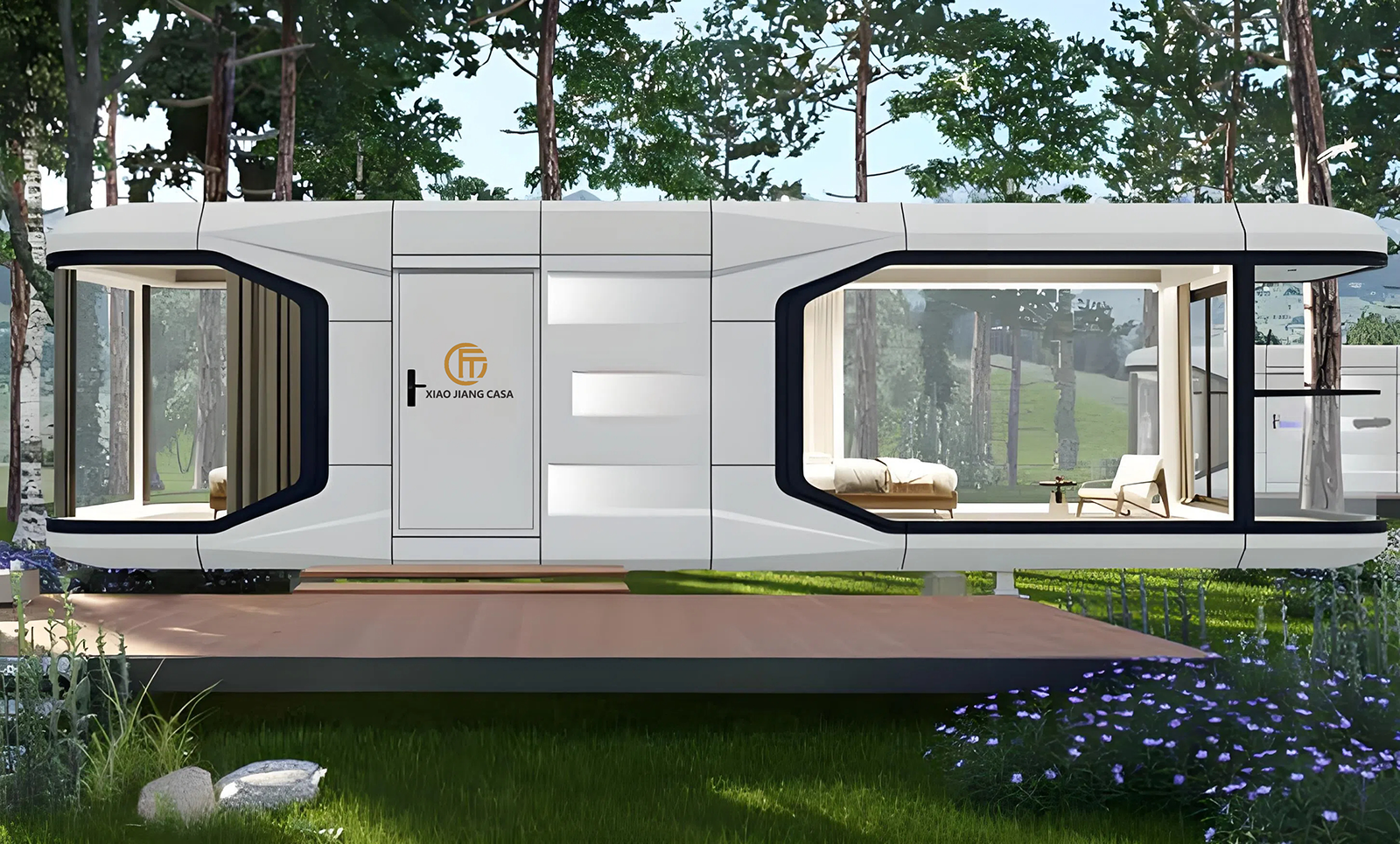
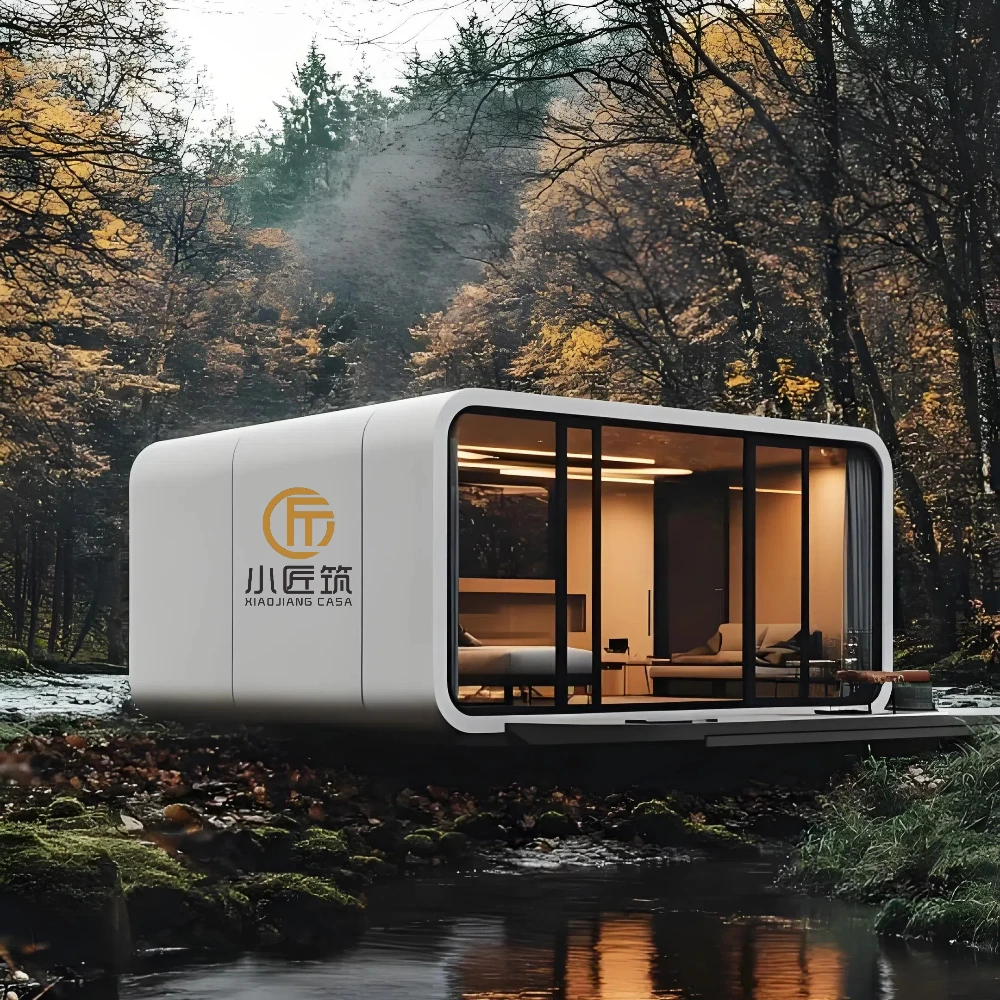
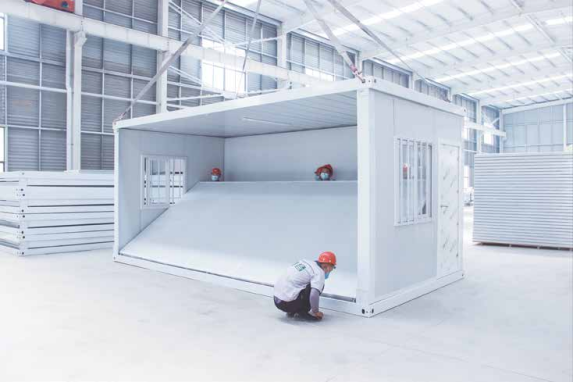
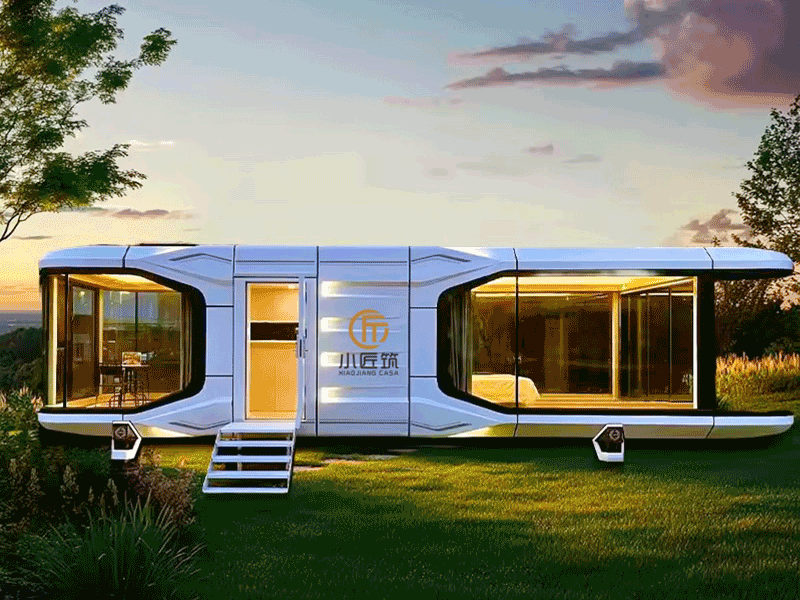
Ecofriendly mobile house is at the forefront of sustainable housing innovation, integrating environmentally conscious design principles, renewable materials, and energy-efficient technologies to minimize environmental impact while providing comfortable and functional living spaces. These homes are engineered to reduce carbon footprints, conserve natural resources, and promote a healthy living environment, making them an ideal choice for environmentally conscious individuals, families, and communities. A key aspect of ecofriendly mobile house design is the use of sustainable and recycled materials throughout construction. Manufacturers prioritize materials that are renewable, biodegradable, or have a low environmental impact, such as sustainably sourced wood from certified forests, bamboo, or recycled steel and aluminum. These materials not only reduce the demand for virgin resources but also often require less energy to produce, lowering the overall carbon emissions associated with manufacturing. Exterior cladding may include recycled composite panels or natural fiber cement, which are durable, low-maintenance, and free from harmful chemicals. Interior finishes, such as low-VOC (volatile organic compound) paints, natural linoleum flooring, and formaldehyde-free insulation, contribute to better indoor air quality, protecting the health of residents while reducing environmental harm. Energy efficiency is a cornerstone of ecofriendly mobile house, achieved through advanced insulation, high-performance windows, and energy-saving systems. Thick insulation made from recycled materials, such as cellulose or wool, is installed in walls, floors, and ceilings to minimize heat transfer, reducing the need for heating and cooling. Windows and doors are equipped with double or triple glazing, low-emissivity coatings, and tight seals to prevent heat loss in winter and heat gain in summer, maintaining a consistent interior temperature with minimal energy use. Many ecofriendly mobile houses also integrate renewable energy sources, such as solar panels installed on the roof, which generate clean electricity to power lighting, appliances, and heating systems. Battery storage systems allow excess energy to be stored for use during cloudy days or at night, reducing reliance on grid electricity and fossil fuels. Water conservation is another critical feature of ecofriendly mobile house. Low-flow faucets, showerheads, and toilets are installed to reduce water usage, while rainwater harvesting systems collect and store rainwater for non-potable uses such as irrigation, washing, or toilet flushing. Greywater recycling systems may also be incorporated, treating water from sinks, showers, and washing machines for reuse in landscaping, further reducing the demand for municipal water supplies. These systems not only conserve water but also reduce the strain on wastewater treatment facilities, contributing to overall environmental sustainability. Waste reduction is addressed throughout the lifecycle of an ecofriendly mobile house, starting with the manufacturing process. Factory production minimizes material waste through precise cutting and efficient material usage, with leftover materials often recycled or reused in other production runs. The modular design of many mobile houses also allows for easy disassembly and recycling at the end of their lifespan, reducing the amount of construction waste sent to landfills. Additionally, the compact size of many ecofriendly mobile houses encourages a minimalist lifestyle, reducing consumption and the associated waste from excessive furniture, appliances, and household items. Ecofriendly mobile house design also considers the impact on local ecosystems, with features that promote biodiversity and reduce habitat disruption. Homes are often designed to be compatible with their surroundings, using natural landscaping with native plants that require little water and support local wildlife. The lightweight construction of mobile houses minimizes ground disturbance during installation, preserving soil health and vegetation. For off-grid models, sustainable waste management systems such as composting toilets eliminate the need for septic systems, reducing the risk of soil and water contamination. In conclusion, ecofriendly mobile house represents a harmonious balance between modern living and environmental stewardship. By prioritizing sustainable materials, energy efficiency, water conservation, waste reduction, and ecosystem compatibility, these homes offer a viable solution for reducing the environmental impact of housing while providing comfortable, healthy, and functional living spaces. As awareness of environmental issues grows, ecofriendly mobile houses are becoming an increasingly popular choice for those seeking to live in harmony with the planet.
24
Apr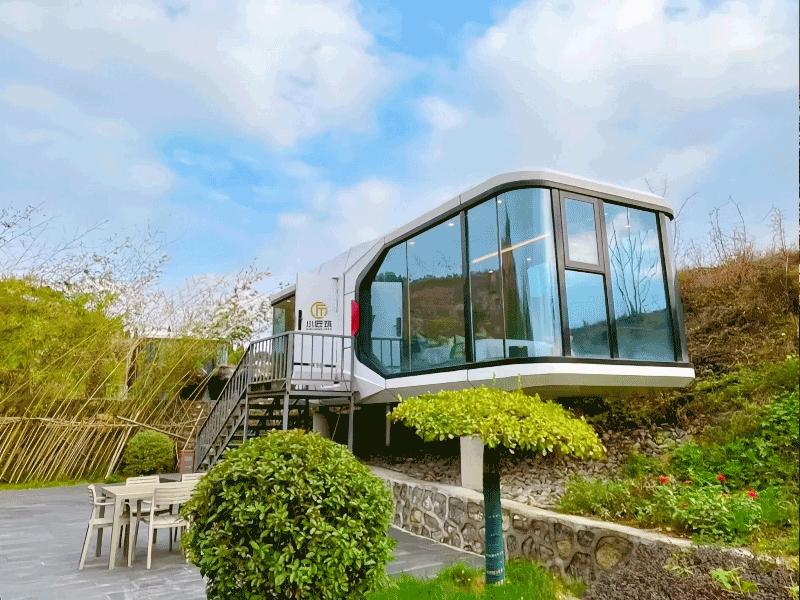
24
Apr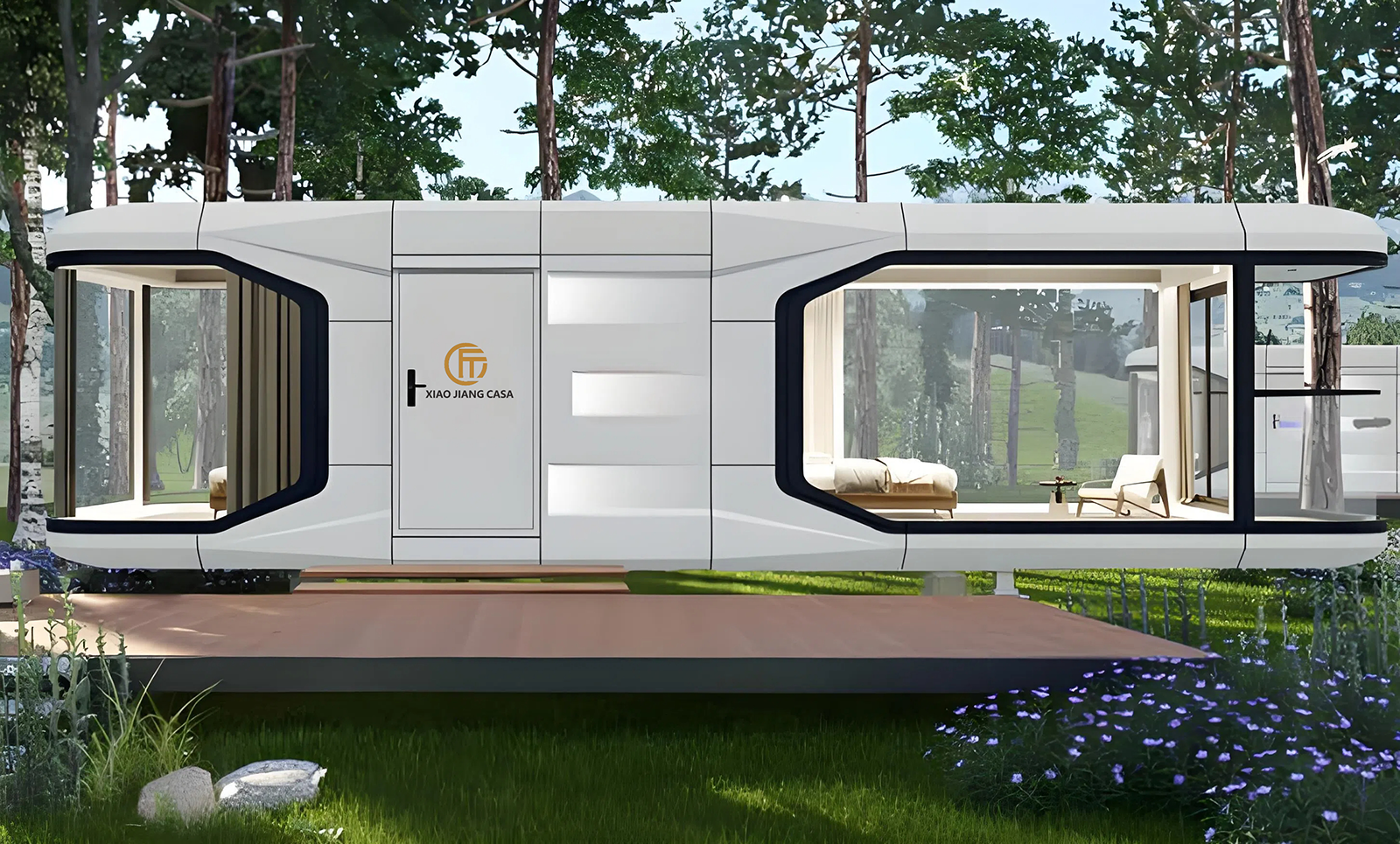
25
Apr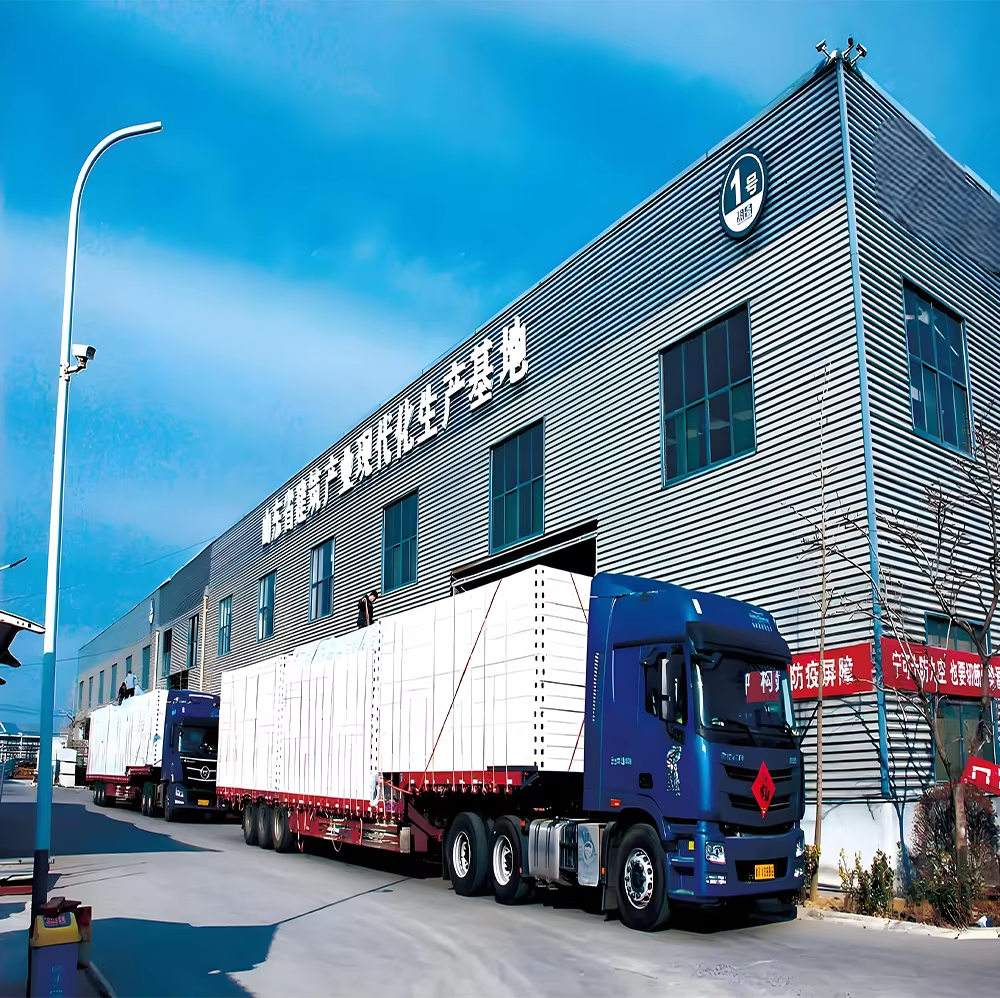
25
Apr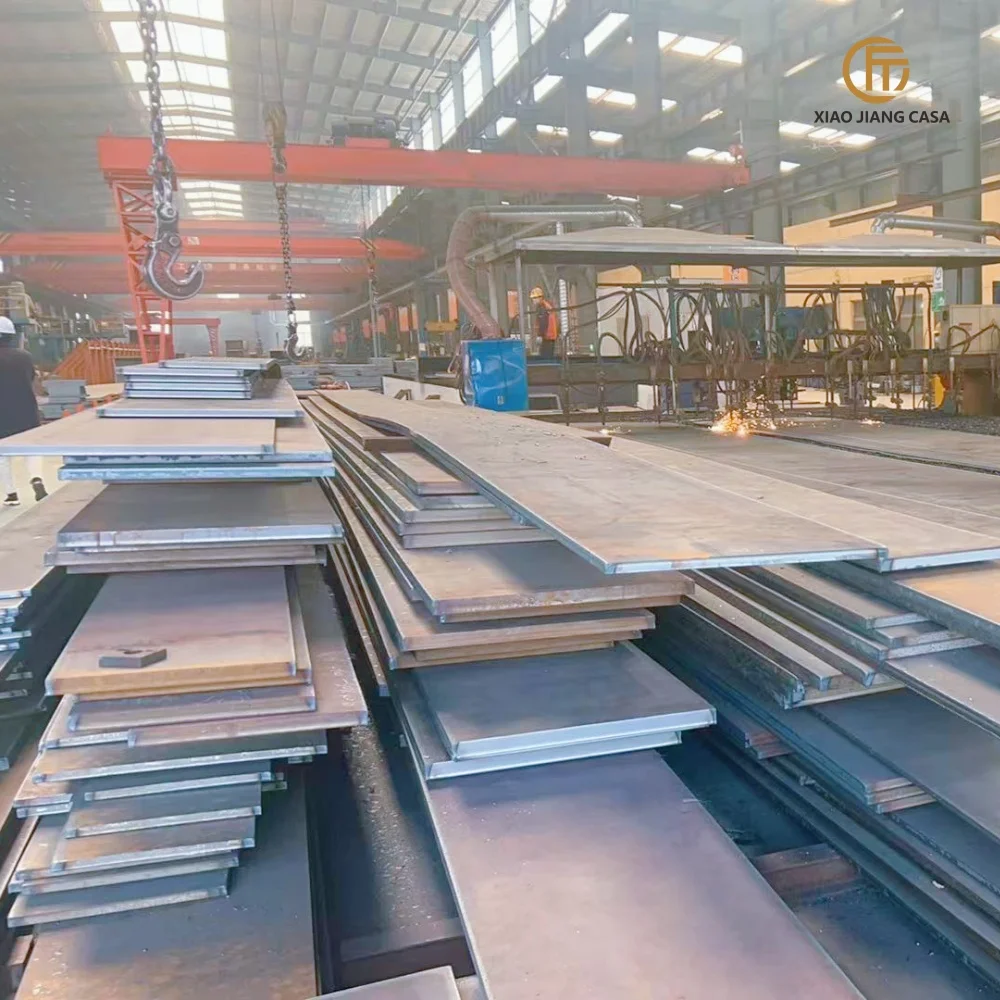
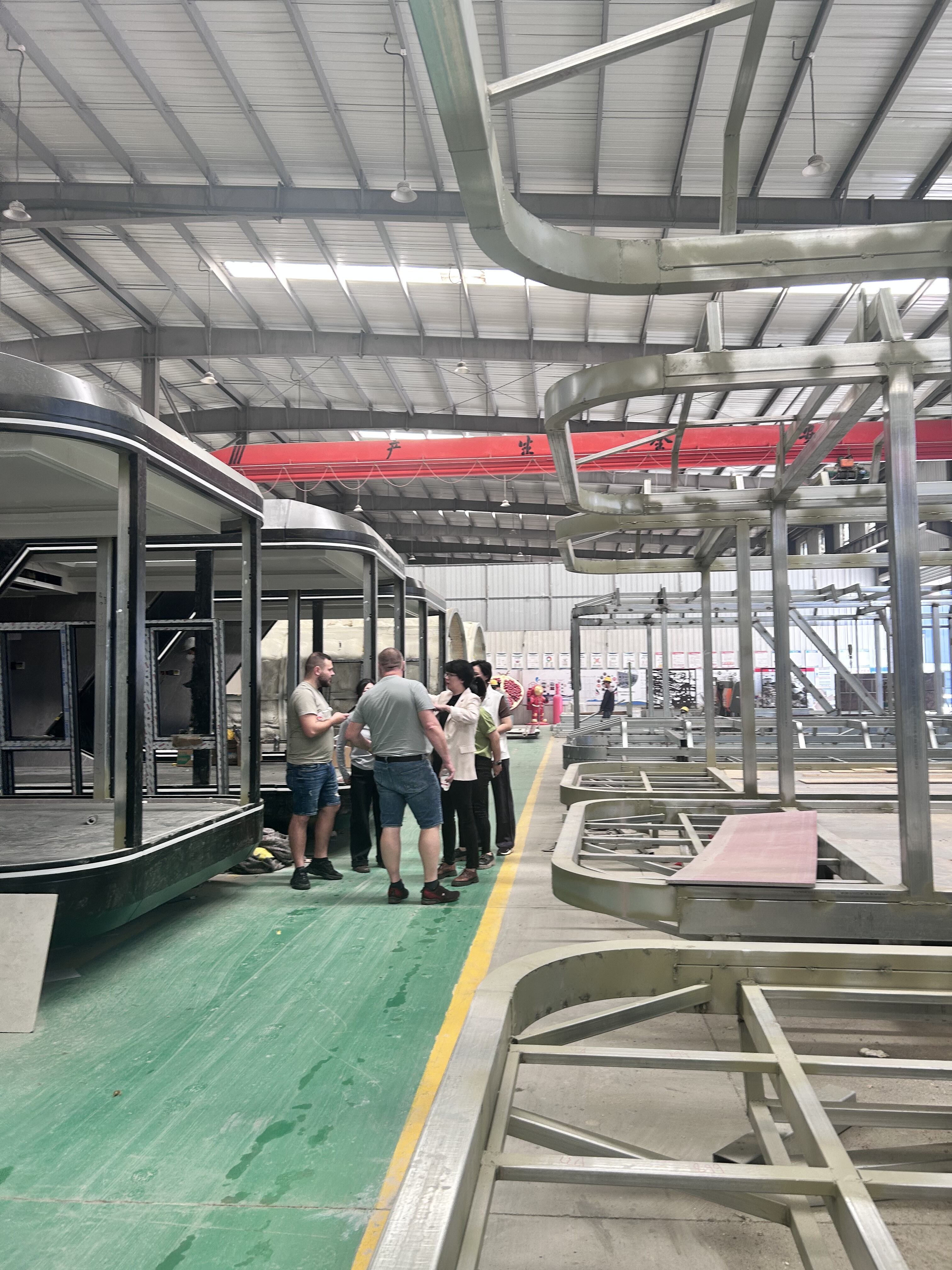
Xiaojiangcasa has a professional design and production team. The technical team strictly controls the product from research and development to implementation, insisting on starting from a professional perspective, innovatively developing future cabin products that are both aesthetically pleasing and practical, and implementing this concept in their work。