EN
EN

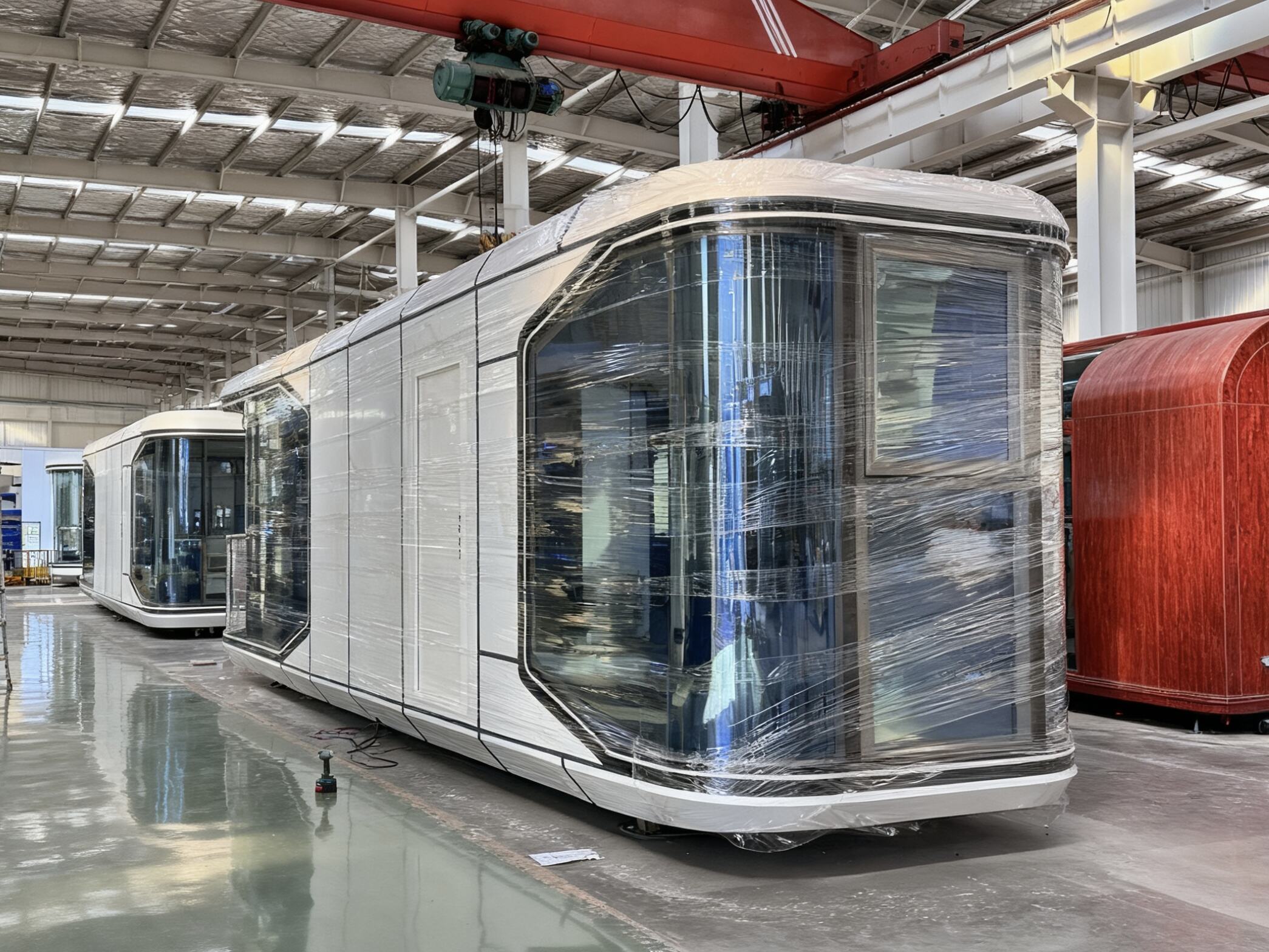
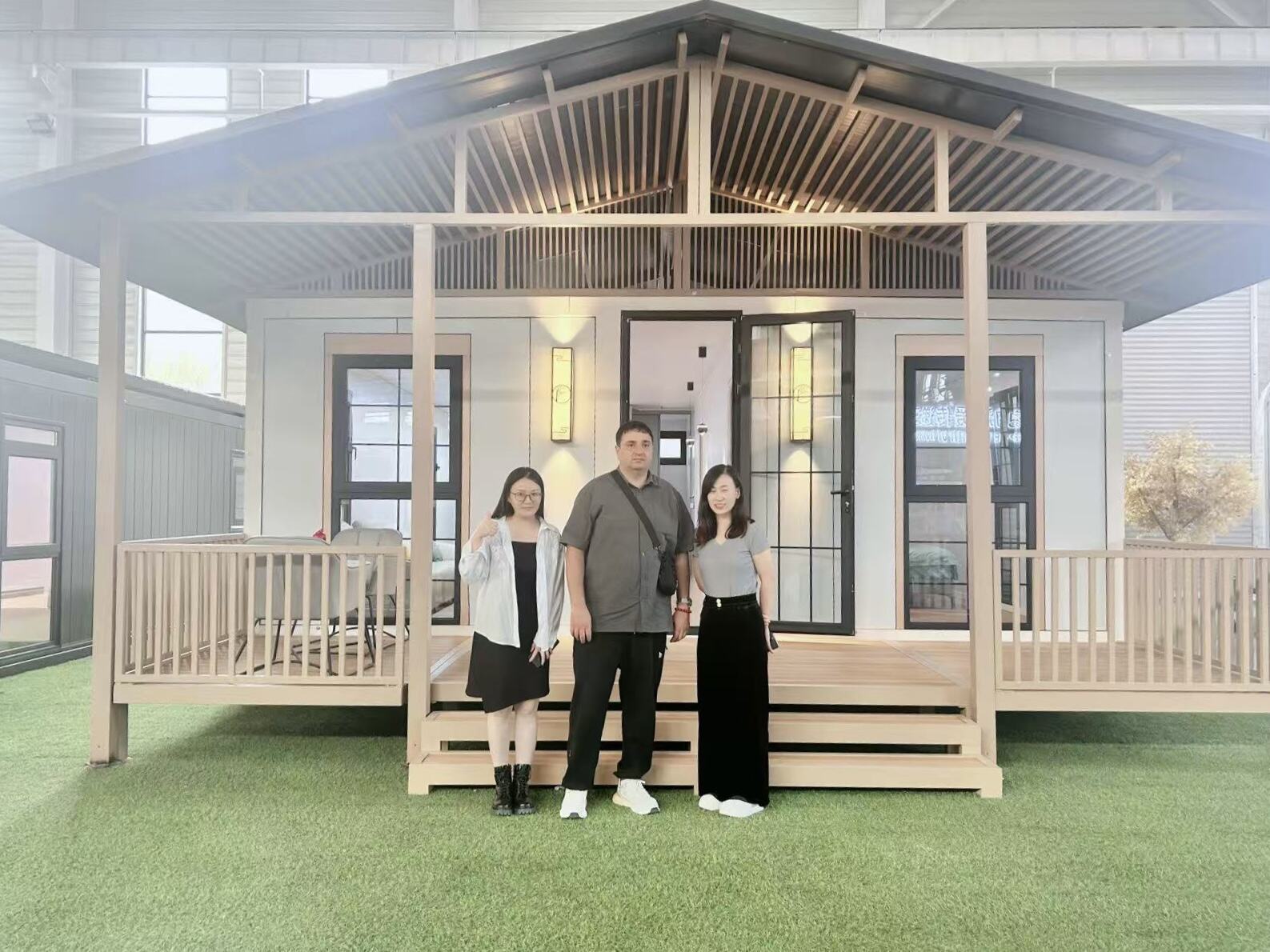
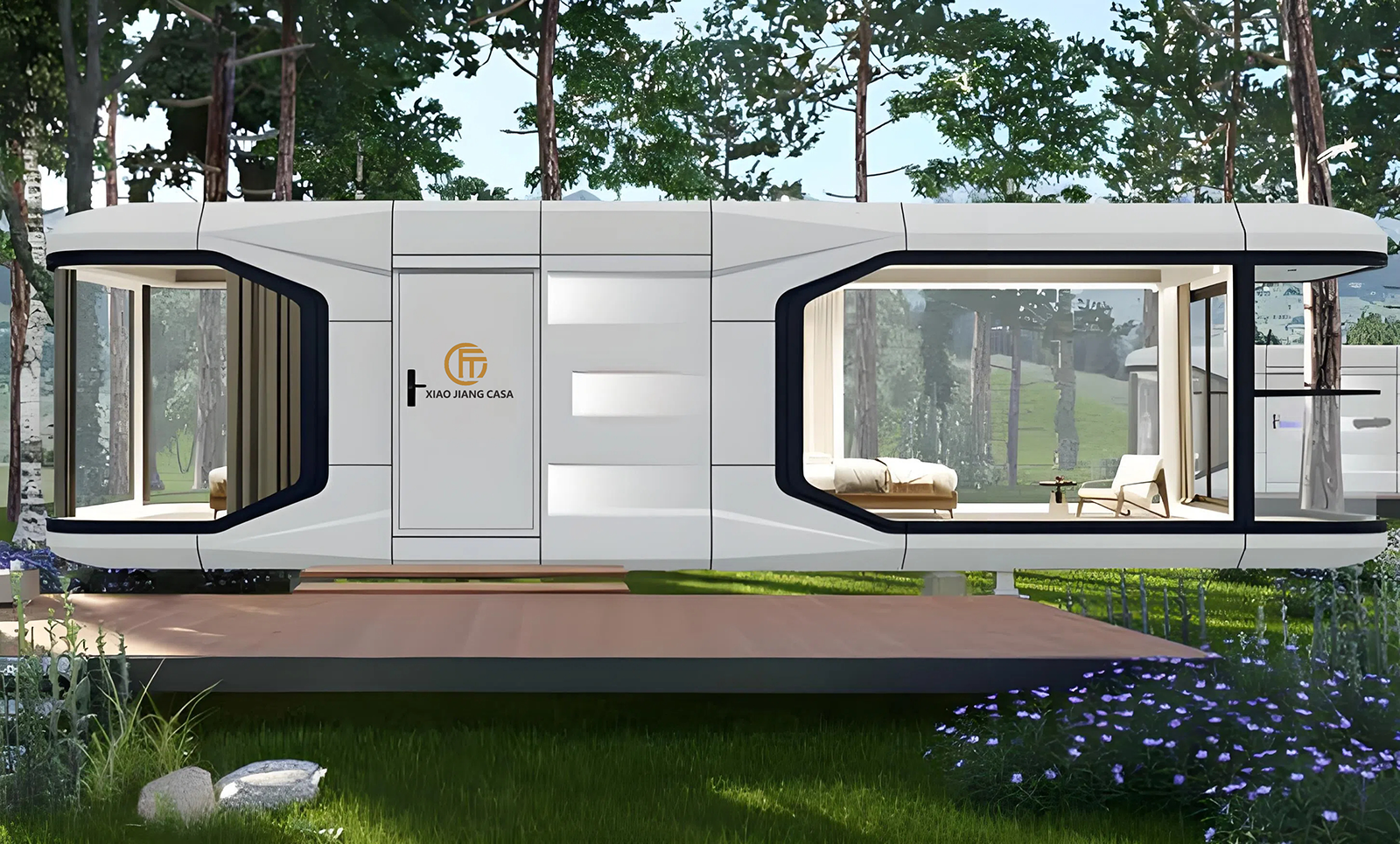
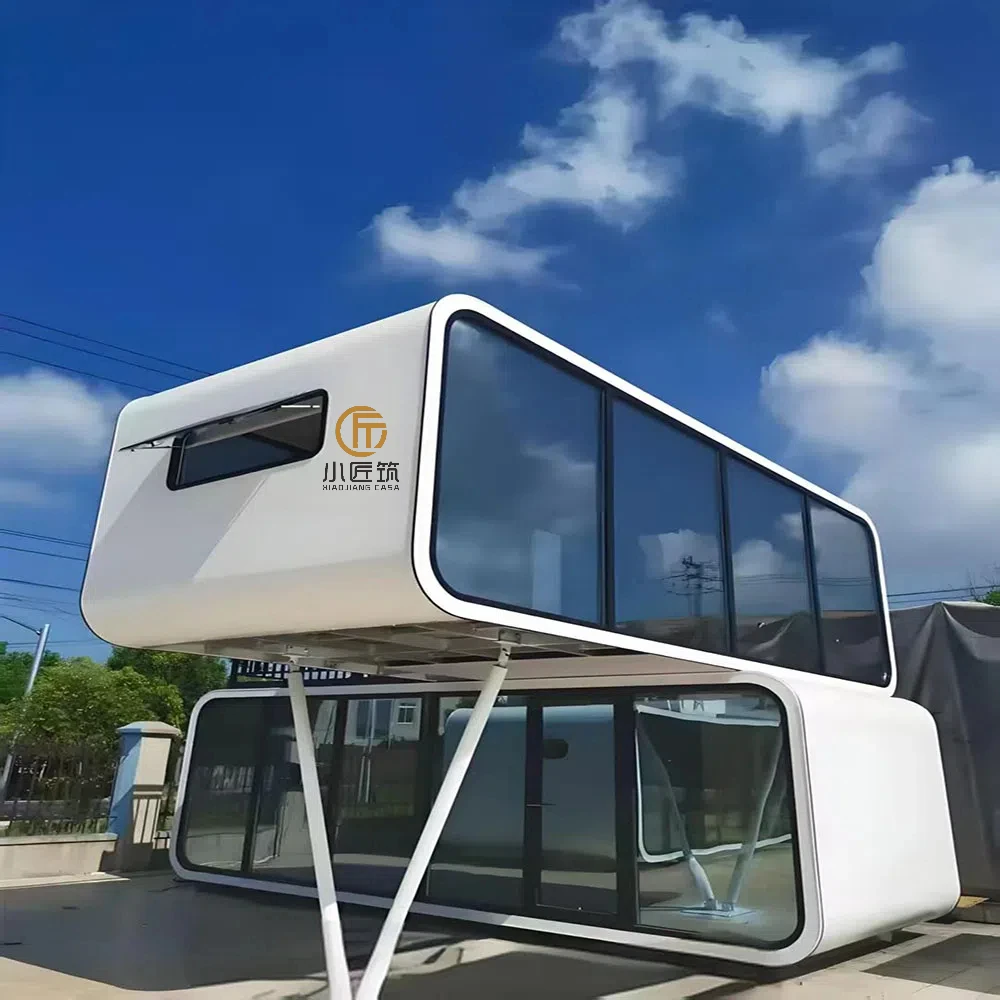
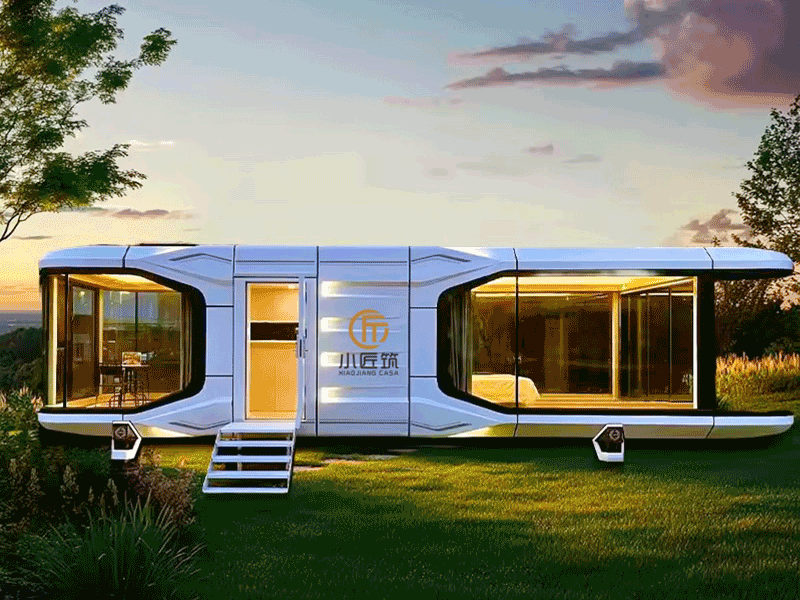
Customized mobile house represents a personalized approach to portable housing, where every aspect of the design, from layout and materials to finishes and features, is tailored to meet the unique needs, preferences, and lifestyle of the individual or family. This level of customization ensures that the mobile house is not just a generic living space but a reflection of the owner’s personality, functional requirements, and aesthetic tastes, making it a truly one-of-a-kind home that adapts perfectly to its intended use. The customization process for a mobile house begins with a thorough consultation to understand the client’s specific needs and desires. This includes gathering information about the number of occupants, lifestyle habits (such as remote work, hobbies, or entertaining), preferred aesthetic style, budget, and any special requirements (such as accessibility features or eco-friendly components). Based on this input, designers and engineers collaborate to create a detailed plan that outlines the layout, dimensions, and key features of the home, ensuring that every element is aligned with the client’s vision. One of the primary areas of customization is the layout and floor plan of the mobile house. Clients can choose from a range of configurations, from open-concept designs that maximize space and flow to more segmented layouts that provide privacy for different activities. The number and size of rooms, such as bedrooms, bathrooms, kitchens, and living areas, can be adjusted to suit specific needs. For example, a client who works from home may request a dedicated office space, while a family with children may prioritize multiple bedrooms and a play area. The placement of doors, windows, and fixtures can also be customized to optimize natural light, views, and functionality, ensuring that the layout works seamlessly for the client’s daily routine. Material selection is another key aspect of customized mobile house, allowing clients to choose materials that align with their durability requirements, aesthetic preferences, and sustainability goals. Exterior materials can range from traditional wood siding and metal panels to modern composite materials, each offering different textures, colors, and levels of maintenance. Interior materials include flooring options such as hardwood, luxury vinyl, or tile, wall finishes like paint, wallpaper, or wood paneling, and countertop materials such as granite, quartz, or butcher block. Clients can also select materials based on environmental considerations, opting for recycled, renewable, or low-VOC options to create a more eco-friendly home. Finishes and fixtures are highly customizable in a personalized mobile house, allowing clients to add their unique touch to every detail. Lighting fixtures can be chosen to match the overall aesthetic, from modern pendant lights and recessed lighting to vintage chandeliers and industrial-style sconces. Plumbing fixtures in kitchens and bathrooms, such as faucets, showerheads, and toilets, can be selected for both style and functionality, with options ranging from sleek and contemporary to classic and traditional. Cabinetry hardware, door handles, and other small details are also customizable, ensuring that even the smallest elements contribute to the overall design vision. Specialized features and amenities can be integrated into a customized mobile house to meet specific needs. For outdoor enthusiasts, this may include storage space for gear, a roof rack for kayaks or bikes, or an outdoor kitchen for camping-style cooking. For those prioritizing sustainability, solar panels, rainwater harvesting systems, and composting toilets can be incorporated. Tech-savvy clients may request smart home features such as automated lighting, temperature control, and security systems. Accessibility features, such as ramps, wider doorways, and grab bars, can be added to ensure the home is usable for individuals with mobility challenges. The manufacturing process of a customized mobile house is flexible enough to accommodate these unique requests, with skilled craftsmen and advanced machinery working together to bring the custom design to life. Quality control remains rigorous, with each customized component inspected to ensure it meets the highest standards of durability and functionality. The result is a mobile house that fits the client’s lifestyle perfectly, offering a level of comfort, functionality, and personalization that is not possible with standard, off-the-shelf models. In conclusion, customized mobile house empowers clients to create a living space that is uniquely theirs, combining functionality, style, and personalization to meet their specific needs. Through collaborative design, flexible manufacturing, and attention to detail, these homes offer a level of customization that makes portable living not just practical but deeply personal, ensuring that every resident feels truly at home in their mobile space.
24
Apr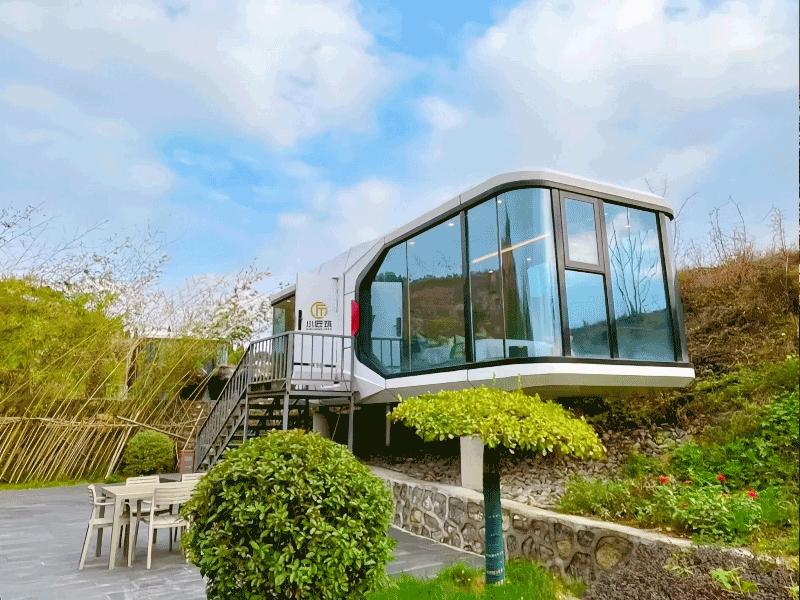
24
Apr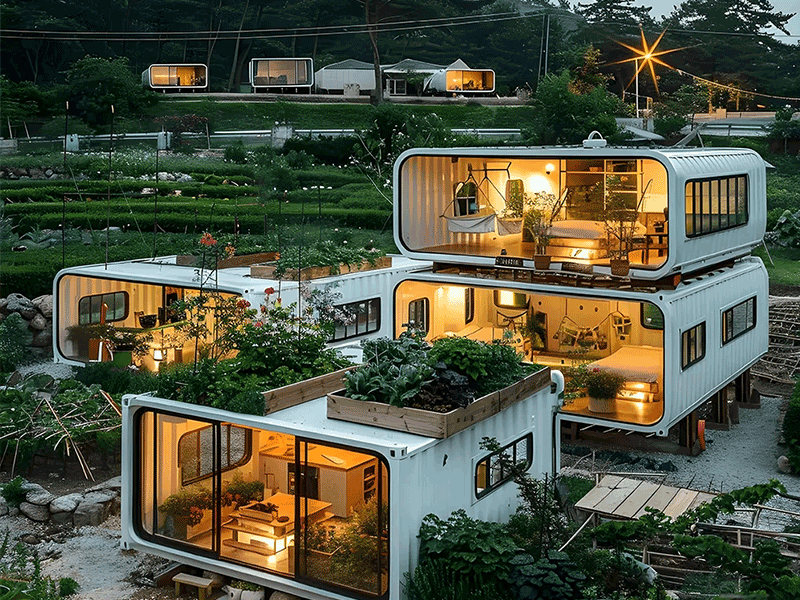
24
Apr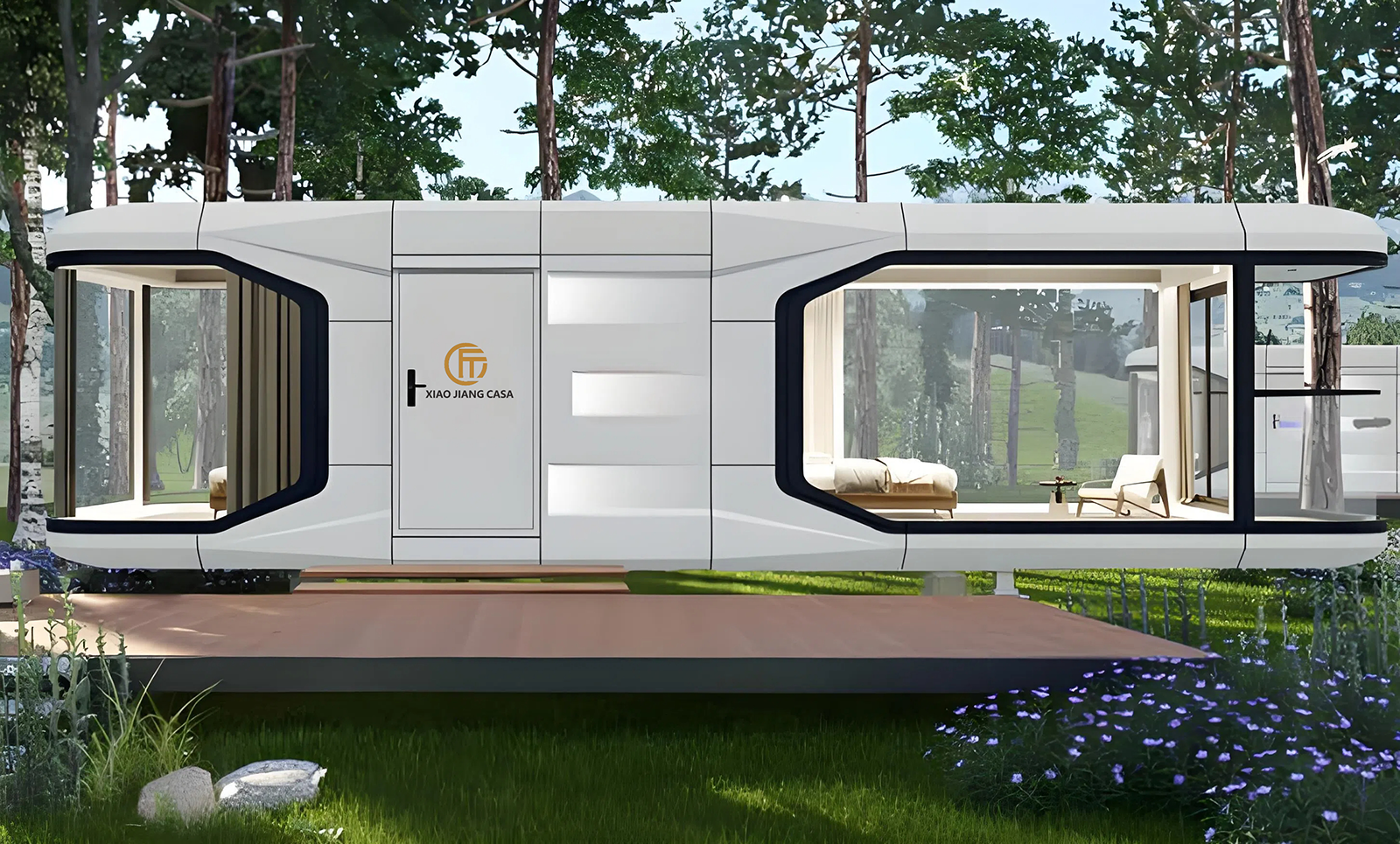
25
Apr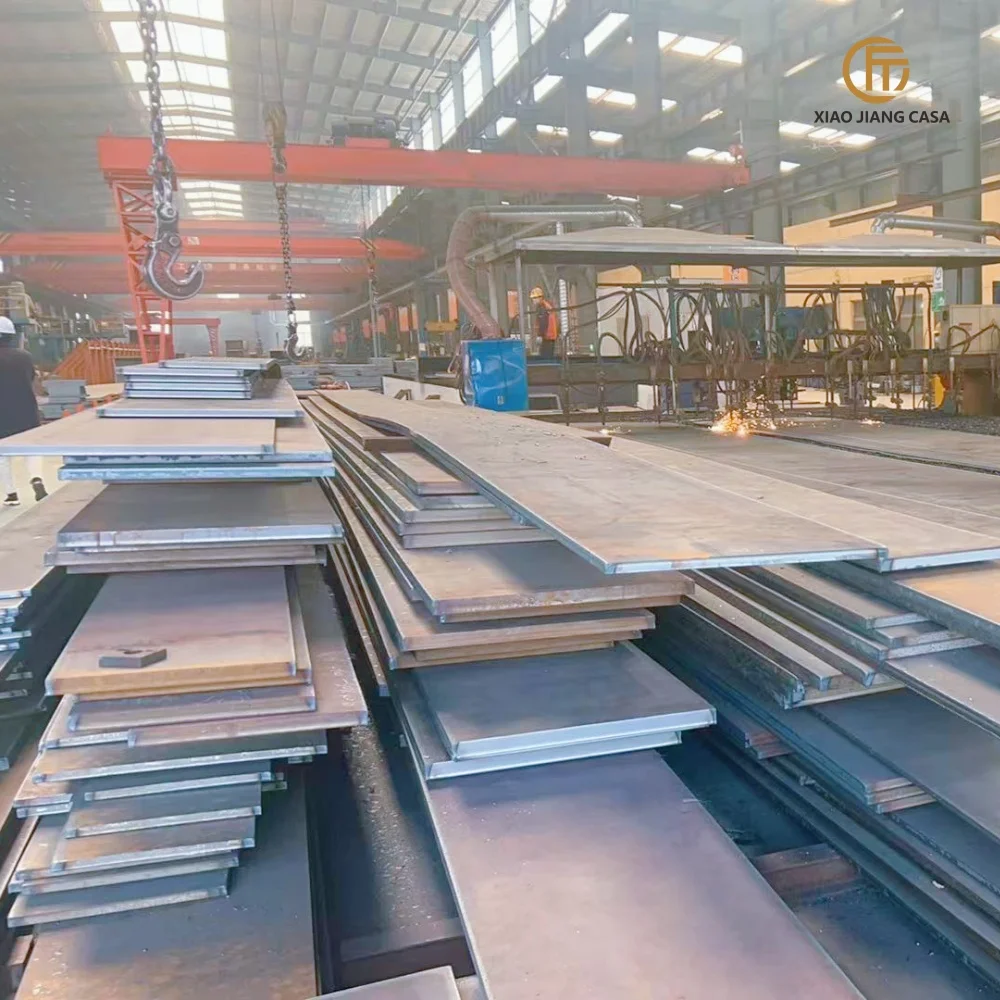
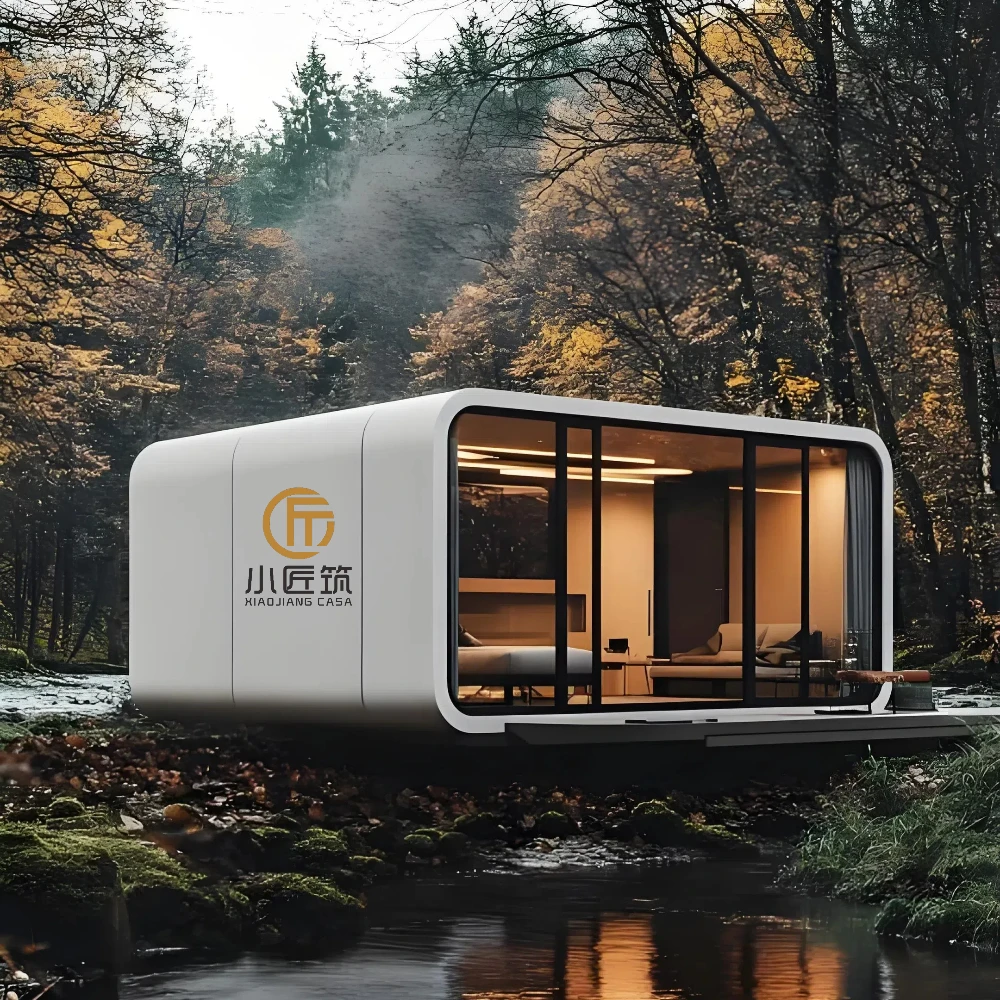
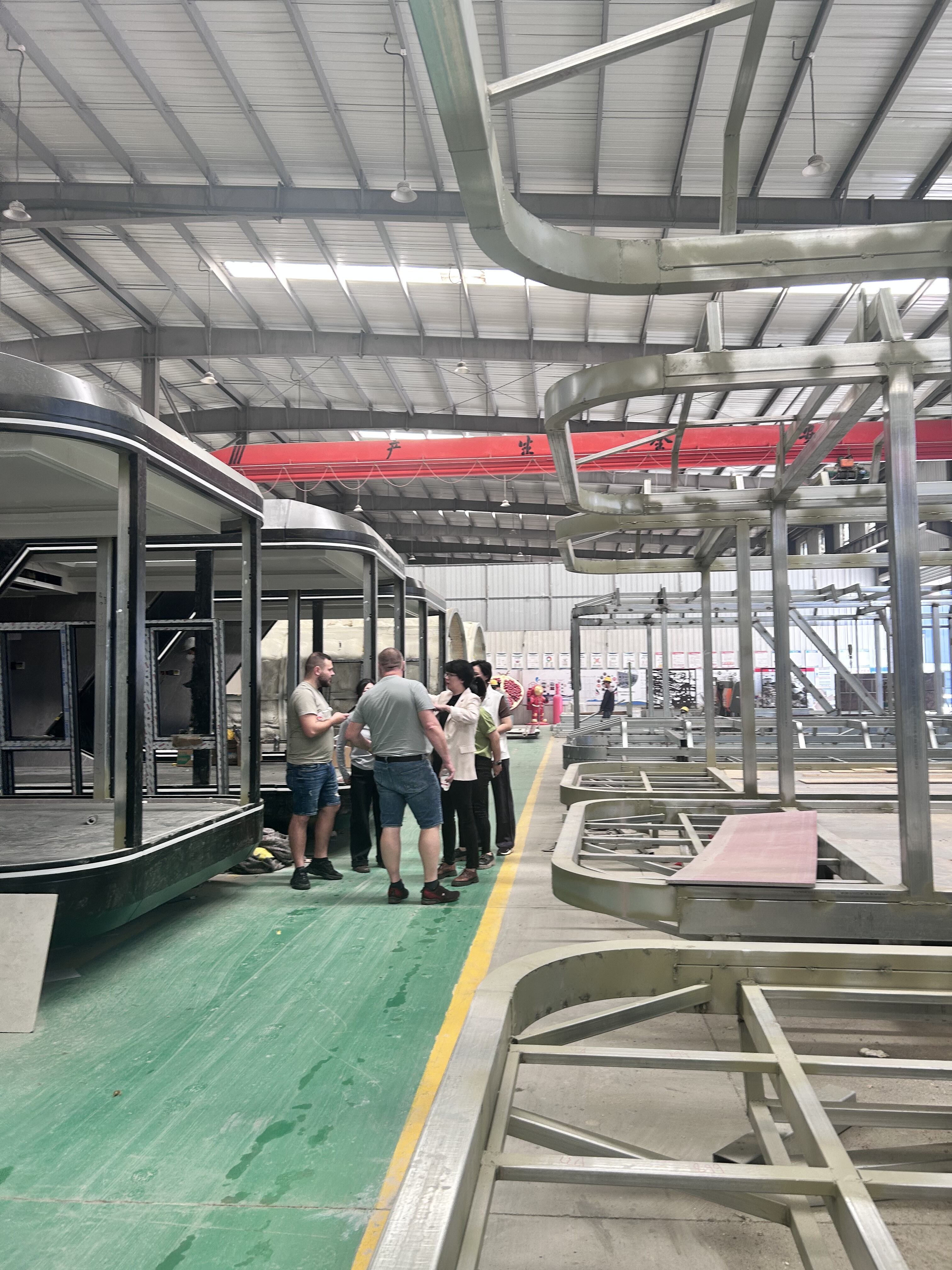
Xiaojiangcasa has a professional design and production team. The technical team strictly controls the product from research and development to implementation, insisting on starting from a professional perspective, innovatively developing future cabin products that are both aesthetically pleasing and practical, and implementing this concept in their work。